Deciding on the appropriate intervals between removal sessions is essential for achieving optimal results, whether you’re removing hair, tattoos, or other materials from your skin. Proper timing can help minimize discomfort, reduce potential side effects, and ensure the process is both effective and safe. Understanding the ideal durations between sessions allows individuals to plan their treatment schedule more efficiently.
Many factors influence the recommended time gaps, including the type of removal method, skin type, and the area being treated. Consulting with a skincare professional or dermatologist can provide personalized guidance tailored to your specific needs, leading to better outcomes and a smoother experience overall.
The Nature of Hair/Follicle Regrowth
Hair or follicle regrowth varies significantly depending on individual biology and the method used for removal. Typically, hair grows in cycles that include growth, rest, and shedding phases. The timing of these phases influences the interval between removal sessions.
Waiting too long between sessions might allow new hair or material to become more visible, making subsequent treatments less effective. Conversely, frequent sessions without adequate recovery time can irritate the skin or lead to over-treatment. Striking a balance is key to maintaining healthy skin while achieving desired results.
Typical Time Frames for Hair Removal
For most hair removal methods like laser or waxing, an interval of four to six weeks is generally recommended. This period corresponds to the typical growth cycle of hair, allowing each session to target hair in its active phase effectively.
Adhering to this schedule ensures each treatment captures the maximum amount of hair in the growth phase, resulting in a more permanent reduction over time. Consistency in timing also helps prevent skin irritation and overexposure, promoting a safer process.
Tattoo Removal Time Intervals
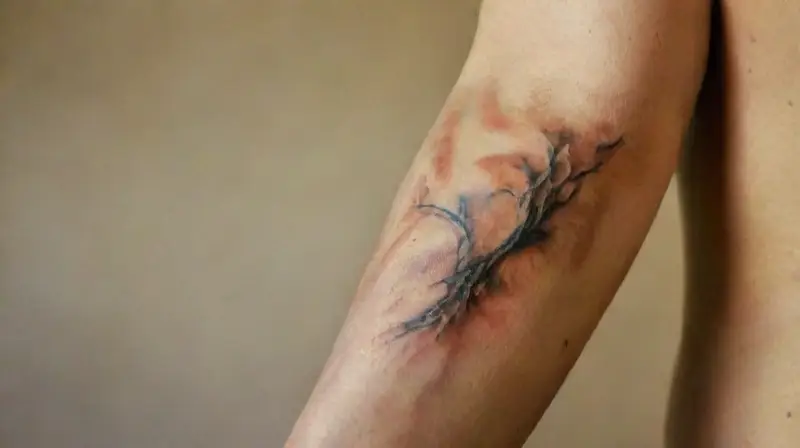
Tattoo removal usually requires a longer waiting period between sessions, often between six to twelve weeks. This longer interval allows the skin to recover from each laser session and minimizes potential scarring or adverse reactions.
Spacing out sessions also enhances the body’s natural healing processes, enabling better pigment breakdown and removal. Such patience leads to more effective results, though it may extend the overall duration of the treatment plan.
Skin Type and Sensitivity Considerations
Individuals with sensitive skin or specific skin conditions should be particularly cautious with their interval timing. Shorter intervals might increase the risk of irritation, hyperpigmentation, or other side effects.
In such cases, a dermatologist might recommend longer durations between sessions, sometimes extending beyond the usual time frames. Personalized scheduling ensures the safety and health of your skin while still working toward your removal goals.
The Role of Healing and Recovery
Healing time is a crucial factor in determining the interval between sessions. Adequate recovery allows the skin to repair any minor damage caused by removal treatments, which is vital to prevent long-term skin issues.
Ignoring the skin’s healing process can lead to complications such as scars, pigmentation changes, or infections. Respecting the natural healing cycle and giving the skin enough time to recover results in better outcomes and a healthier skin appearance.
Adjusting Intervals Based on Results
Monitoring your skin’s response to removal sessions can inform whether your intervals need adjustment. If you observe excessive redness, irritation, or prolonged healing, increasing the time between sessions might be beneficial.
Conversely, if the skin responds well and results are progressing favorably, slight reductions in wait times could be considered to accelerate the overall process. Regular consultation with your practitioner ensures the timing remains optimal throughout your treatment journey.
Conclusion
Choosing the right time intervals between removal sessions is vital for safety, effectiveness, and comfort. Understanding your body’s response, the nature of the treatment, and adhering to professional advice will help you achieve the best possible results.
Patience and proper scheduling are key components of successful removal procedures. By respecting your skin’s healing cycle and following expert guidance, you can enjoy a smooth, effective process with reduced risks and improved satisfaction.