The tattoo and piercing industries have experienced significant growth over recent years, driven by increasing demand for body art and self-expression. As these procedures involve breaking the skin barrier, they inherently carry a risk of infection if proper precautions are not taken. Ensuring health and safety standards are maintained is crucial for safeguarding both clients and practitioners.
Despite the artistry and cultural significance of tattoos and piercings, inadequate sterilization and hygiene practices can lead to serious health complications. It is essential for industry professionals to stay informed about infection prevention measures to promote a safe environment and prevent the spread of infectious diseases.
Understanding Transmission of Infectious Diseases
Infections can be transmitted through contaminated equipment, improper hygiene, or unsanitary environments during tattooing and piercing procedures. Bloodborne pathogens such as HIV, hepatitis B, and hepatitis C pose significant risks if sterilization protocols are not followed meticulously.
Cross-contamination is a common pathway for disease transmission in these industries. It can occur when tools, inks, or surfaces contaminated with infectious materials are shared between clients. Recognizing these transmission methods helps in implementing effective control measures.
Practitioners must be aware of the signs of infection and the importance of early diagnosis. Educating staff and clients about infection risks enhances overall safety, reducing the potential for outbreaks and long-term health issues.
Sterilization and Equipment Hygiene
Proper sterilization of tools is fundamental to prevent infectious disease spread. Autoclaves are standard equipment used to sterilize reusable instruments, effectively destroying bacteria, viruses, and fungi.
Single-use disposables like needles, gloves, and ink caps are recommended whenever possible to eliminate the risk of cross-contamination. Proper disposal of used materials must be strictly adhered to, following local biohazard regulations.
Maintaining a clean workspace—including surfaces, chairs, and workstations—is equally important. Regular cleaning with appropriate disinfectants prevents microbial proliferation, ensuring a sterile environment for each procedure.
Personal Hygiene and Staff Practices
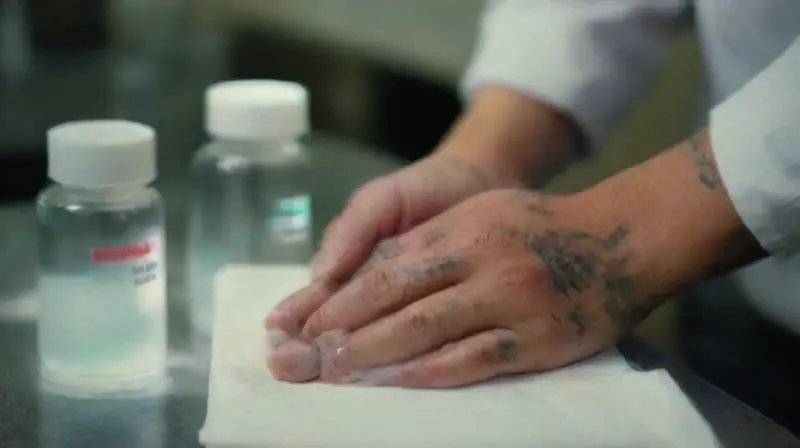
Staff members should practice rigorous personal hygiene to minimize the risk of infection transmission. This includes thorough hand washing with soap and water before and after procedures, as well as wearing clean gloves.
Using masks and protective eyewear further reduces exposure to blood and bodily fluids. Personal protective equipment should be properly stored and disposed of after each use to prevent cross-contamination.
Training staff on infection control protocols and emphasizing the importance of hygiene promotes a culture of safety within tattoo and piercing studios. This proactive approach ensures best practices are consistently followed.
Client Safety and Education
Educating clients about pre- and post-procedure care is vital in infection prevention. Providing clear instructions on how to keep the new tattoo or piercing clean helps prevent complications like infections or allergic reactions.
Informed consent should include information about potential risks and how infection can be avoided. Clients should also be advised to observe their healing site for signs of infection, such as redness, swelling, or pus.
A hygienic environment and proper aftercare guidance empower clients to take an active role in maintaining their health following the procedure. Building trust through transparency and education enhances the overall safety standards of the industry.
Regulatory Compliance and Industry Standards
Adhering to local and international regulations ensures that tattoo and piercing studios operate within safe boundaries. Many regions mandate licensing, regular inspections, and adherence to strict hygiene protocols.
Implementing standardized operating procedures for sterilization, waste disposal, and infection control minimizes legal liabilities and enhances professionalism. compliance also demonstrates commitment to client safety and quality service.
Continuous training and staying updated on emerging infectious threats are necessary for maintaining compliance. Industry associations often provide guidelines and resources to support practitioners in meeting these standards.
Innovations in Infection Control

Recent advancements have introduced new sterilization technologies and disposable materials that improve safety. For example, UV sterilization units and antimicrobial surfaces can reduce microbial presence in studios.
There is also growing interest in digital monitoring tools for tracking sterilization cycles and ensuring compliance. These innovations facilitate better record-keeping and accountability.
Research continues to develop safer inks, pigments, and tools designed to further minimize infection risks. Embracing these innovations helps industry professionals provide safer, higher-quality services to their clients.
Challenges and Future Directions
One of the main challenges faced by the industry is maintaining strict hygiene standards in smaller or less-regulated shops. Limited resources or lack of training can compromise infection control efforts.
Future directions include increased regulatory oversight, industry-wide certification programs, and public awareness campaigns. These initiatives aim to elevate safety standards universally and protect public health.
Collaborative efforts between health authorities, industry professionals, and educators are essential for ongoing improvement. Developing best practices and enforcing compliance will be key to reducing infectious disease risks in tattoo and piercing settings.
Conclusion
Infection control remains a critical aspect of the tattoo and piercing industries, demanding continuous vigilance and adherence to safety protocols. By prioritizing sterilization, personal hygiene, regulatory compliance, and client education, practitioners can significantly reduce the risk of infection.
As the industry evolves, embracing technological innovations and strengthening industry standards will play a vital role in safeguarding public health. A proactive approach to infection prevention ensures long-term success and trustworthiness in tattoo and piercing services.