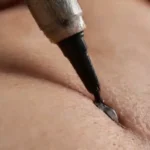
Tattoo removal has become an increasingly sought-after procedure as more individuals opt to alter or eliminate their body art. Traditionally, laser treatments have been the primary method, but recent advances have introduced enzymatic and chemical approaches that promise less invasive options. These methods aim to break down tattoo pigments more efficiently and with fewer side effects, appealing to those wary of laser therapies.
The development of enzymatic and chemical fading techniques offers new possibilities for tattoo enthusiasts. These approaches focus on dissolving or fading pigments through biological or chemical reactions, potentially providing more affordable and accessible solutions. As research progresses, understanding their mechanisms and effectiveness is crucial for making informed choices about tattoo removal options.
Enzymatic Fading Techniques
Enzymatic tattoo fading involves the use of specific enzymes designed to target pigment particles. These enzymes catalyze reactions that break down ink molecules within the skin, leading to gradual fading. This approach is considered minimally invasive and may reduce the risks associated with traditional removal methods.
Typically, enzyme-based treatments are injected directly into the tattooed skin or applied topically as part of a formulation. The enzymes used are often derived from natural sources and can be tailored to target particular ink compositions. This specificity helps in minimizing collateral damage to surrounding tissues. However, the effectiveness of enzymatic methods varies depending on ink colors and depths.
Research is ongoing to improve enzyme formulations and delivery methods. Scientists are exploring ways to enhance the stability, activity, and skin penetration of these enzymes. Although promising, enzymatic fading is still in its experimental stages, and more clinical trials are needed to establish consistent results and safety profiles.
Chemical Fading Agents
Chemical tattoo fading methods involve applying chemical agents designed to react with tattoo pigments. These substances can induce oxidation, dissolution, or other chemical changes that reduce ink visibility. Common chemical agents include acids, caustic compounds, or specially formulated solutions.
These chemicals are typically injected or applied topically to the tattooed area. The goal is to weaken the pigment bonds, allowing the ink to be more easily removed or to fade over time. Chemical methods can sometimes produce faster results than natural fading but may carry higher risks of skin irritation or scarring.
Safety concerns are paramount when using chemical agents. Proper formulation and application are essential to prevent adverse reactions. While some products are available commercially, their use should always be supervised by trained medical professionals to ensure safety and effectiveness.
Laser Versus Enzymatic and Chemical Methods
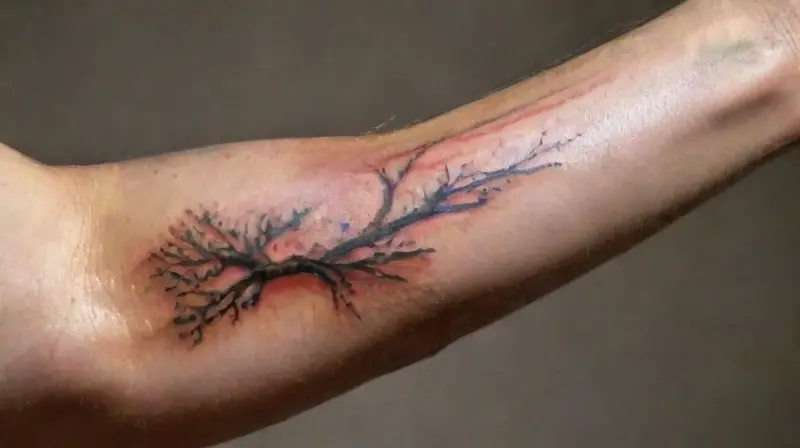
Laser tattoo removal remains the most widely accepted method due to its proven effectiveness and precision. However, its drawbacks include multiple sessions, high costs, and potential side effects like skin irritation. Enzymatic and chemical methods aim to address these issues by offering potentially less painful and more convenient alternatives.
Enzymatic and chemical fading techniques may be less invasive and require fewer sessions, making them appealing to many individuals. Nonetheless, their effectiveness is still under investigation, and results can vary significantly. Laser treatments tend to be more predictable but come with their own set of challenges and costs.
Choosing the appropriate method depends on various factors, including tattoo size, ink color, skin type, and personal preferences. Consultation with a qualified dermatologist or tattoo removal specialist is essential to determine the best option for each case.
Benefits of Enzymatic and Chemical Fading
One of the primary advantages of enzymatic and chemical methods is their minimally invasive nature. They often involve simple applications or injections that are less painful and carry fewer risks than laser procedures. This makes them suitable options for individuals with sensitive skin or those who prefer less aggressive treatments.
Additionally, these methods can be more affordable due to lower equipment costs and fewer required sessions. The availability of such treatments outside of specialized clinics may also increase their accessibility. This democratization of tattoo fading solutions could benefit many seeking cosmetic adjustments.
Furthermore, enzymatic and chemical approaches may offer more targeted reactions, reducing damage to surrounding tissues. They also potentially enable treatment of tattoos in sensitive areas where laser might pose higher risks. As research advances, these methods could become standard options for tattoo removal in the future.
Limitations and Risks
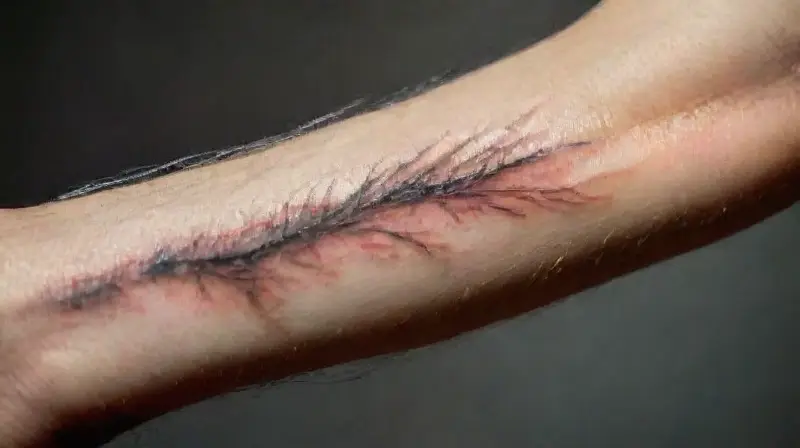
Despite their potential benefits, enzymatic and chemical fading methods face significant challenges. Their efficacy is inconsistent, and some inks, especially multicolored or dense pigments, may resist breakdown. The depth of ink placement also affects the success of these treatments.
Risks associated with chemical agents include skin irritation, burns, scarring, and unintended chemical reactions. Enzymatic methods, although promising, may cause allergic reactions or inflammation if not properly formulated or administered. Therefore, professional supervision is crucial for safe outcomes.
Limited clinical data is available for many of these techniques, which means that long-term safety and effectiveness are not yet fully established. Patients should approach these options cautiously, seeking advice from qualified healthcare providers and considering the current state of scientific evidence.
Future Directions
The future of tattoo fading may see a combination of enzymatic, chemical, and laser techniques to maximize effectiveness and minimize side effects. Researchers are exploring how to enhance enzyme stability and develop targeted chemical agents that are safe and effective for diverse tattoo inks.
Advances in nanotechnology and drug delivery systems could improve the penetration of fading agents into deeper skin layers. Personalized treatments based on ink composition and skin type might also become available, leading to more efficient and safer tattoo removal. Collaboration between scientists, dermatologists, and industry professionals is essential for these innovations.
Ultimately, continued research and clinical trials will determine the viability of enzymatic and chemical methods as mainstream options. As understanding grows, these techniques could complement or even replace current standards, offering new hope to individuals seeking tattoo removal.
Conclusion
Enzymatic and chemical tattoo fading methods represent exciting developments in the field of tattoo removal. While they are still primarily in experimental or early adoption stages, their potential for less invasive and more accessible treatments is promising. As science advances, these approaches may become viable alternatives or supplements to traditional laser therapies.
However, caution is necessary due to the current limitations and lack of comprehensive safety data. Patients should consult qualified professionals and stay informed about ongoing research to make informed decisions. Integrating these innovative techniques responsibly could revolutionize tattoo removal in the future, providing safer options for those seeking to erase or modify their body art.