Body art has been a part of human history for thousands of years, serving as a symbol of identity, status, and cultural belonging. Ancient civilizations, from Egypt to Polynesia, used various forms of physical modification to express their beliefs and social structures. These early practices often involved scars, tattoos, or body painting, making body art a universal language across different societies.
Today, body art continues to evolve, blending tradition with modern expression. While some people still use scars or natural methods, contemporary methods like tattooing and piercing have become widespread. Despite the changes, the core idea remains: the human body is a canvas that tells a story, reflecting personal and collective histories.
Ancient Scarification
Scarification is one of the oldest forms of body modification, used by many cultures around the world. Indigenous tribes in Africa, Australia, and the Americas employed this technique to signify social rank, bravery, or rites of passage. The process involved intentionally creating scars through cutting or branding the skin.
Historically, scarification served as a visual identifier, distinguishing members of specific clans or communities. The scars often carried sacred significance, symbolizing achievements or spiritual milestones. For many societies, these scars were a rite of passage into adulthood or a mark of courage.
Today, scarification remains a meaningful practice for some groups, although it is less common globally. Modern enthusiasts may choose this form of body art for its permanence and symbolic weight. Medical advancements have improved procedures, making it safer and more precise, yet the historical roots remain evident in its continued reverence.
Tribal Tattoos
Tattoos have played a vital role in indigenous cultures throughout history, especially within tribal societies. In Polynesia, tattoos like the Māori tā moko conveyed social status and ancestral lineage, with intricate designs covering the face and body. These tattoos were considered sacred and often took years to complete.
In many tribal communities, tattoos served as identity markers, differentiating warriors from elders or leaders from followers. They also functioned as protection charms or spiritual symbols, believed to ward off evil spirits. The craftsmanship and symbolism embedded in these tattoos reflected the values of their society.
Modern tribal tattoo styles draw inspiration from these ancient designs, emphasizing the importance of cultural heritage. People who adopt these styles often do so to honor their ancestry or to connect with a sense of belonging. Despite globalization, traditional tattooing remains a testament to the enduring power of indigenous body art.
Traditional Tattooing Techniques
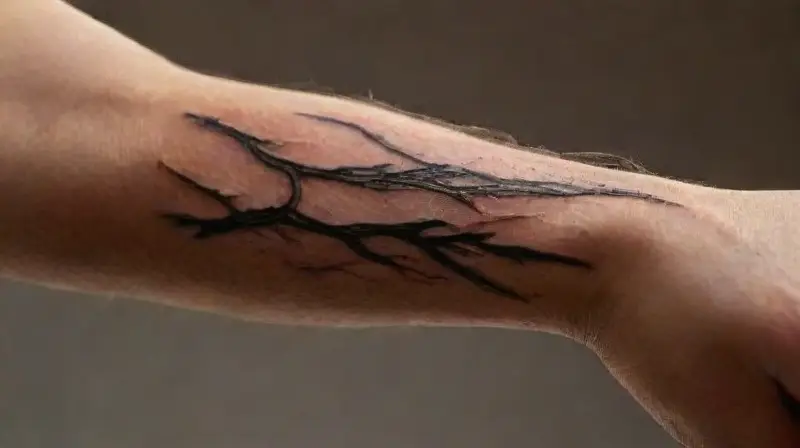
Before the advent of electric tattoo machines, various traditional methods were employed to create body art. Techniques such as hand-poking, using sharp tools or bones, allowed artists to craft detailed designs with precision. These methods were often deeply rooted in cultural rituals and spiritual beliefs.
The ink used in traditional tattooing was typically made from natural materials like soot, clay, or plant dyes. These substances ensured the compatibility of the ink with the skin and often held symbolic significance. The process required significant skill and was seen as a sacred act by many cultures.
Despite technological advancements, many traditional techniques are still practiced today in cultural ceremonies and by modern artisans. They preserve ancient craftsmanship and offer a more organic, connection-based experience. These methods continue to influence contemporary tattoo art and emphasize a respect for cultural heritage.
The Role of Tattoos in Society
Throughout history, tattoos have served as more than just decoration; they are powerful tools of communication and identity. In certain societies, tattoos indicated social status, achievements, or membership within a group. They could also be used to mark rites of passage, such as coming of age or spiritual initiation.
In modern society, tattoos have become a popular form of personal expression. They allow individuals to display symbols of meaning, commemorate loved ones, or showcase artistic interests. The tattoo industry has expanded vastly, with a wide range of styles and techniques to choose from.
Nevertheless, stigma and social perceptions have fluctuated over time. While tattoos once signified rebellion or outsider status, today they are widely accepted in many environments. The cultural significance has shifted, but the fundamental role of tattoos as markers of identity persists globally.
The Evolution of Tattoo Art
The history of tattoo art is characterized by innovation and adaptation. From ancient methods to modern ink formulations, tattooing has continually evolved with advances in technology and aesthetics. The invention of the electric tattoo machine in the late 19th century revolutionized the industry, allowing for more detailed and consistent designs.
Contemporary tattoo artists explore a myriad of styles, such as realism, minimalism, and abstract art, pushing creative boundaries. They often blend traditional motifs with modern techniques to create personalized pieces. This evolution reflects the broader cultural shifts toward individuality and artistic experimentation.
Despite the technological progress, the core principles of craftsmanship—precision, symbolism, and storytelling—remain central. The ongoing development of tattoo art highlights its dynamic nature and enduring significance as a form of expression across generations.
Cultural Significance and Controversies
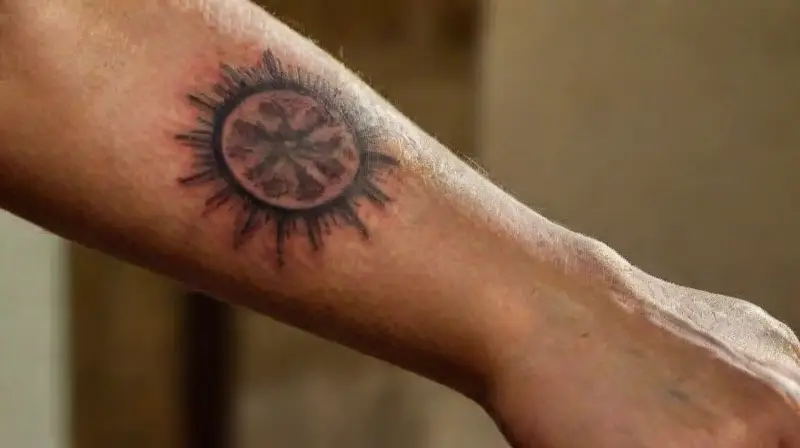
Body art has historically been intertwined with cultural meaning, but it has also sparked controversy. In some societies, tattoos and scars are seen as sacred or honorable, while in others, they have been stigmatized or associated with criminality. These perceptions often reflect broader societal values and moral judgments.
In recent decades, the globalization of tattoo culture has led to debates about cultural appropriation and respect for tradition. Many argue that commercializing indigenous designs can diminish their sacredness or authenticity. This has prompted calls for greater awareness and cultural sensitivity from artists and clients alike.
Despite the challenges, body art remains a powerful form of resistance and identity affirmation for marginalized groups. It can challenge stereotypes and serve as a statement of resilience. The ongoing dialogue around body art underscores its complex relationship with cultural values and societal change.
The Future of Body Art
Looking ahead, body art is poised to continue evolving with innovations in technology and materials. New pigments, techniques like laser removal, and 3D printing are expanding creative possibilities. Artificial intelligence is also being explored for designing unique, personalized tattoo patterns.
Moreover, body art is increasingly integrated with wearable technology and augmented reality, opening new avenues for interaction and self-expression. As societal attitudes become more accepting, body modification may become more mainstream, embracing diversity and individualism.
The future of body art lies in its ability to adapt while honoring its rich history. As generations continue to see the body as a canvas, body art will remain an enduring means of storytelling, cultural preservation, and artistic exploration.
Conclusion
Throughout history, body art—from scars to ink—has served as a profound expression of human identity and cultural heritage. Its evolution reflects changing societal values, technological advancements, and artistic innovations, demonstrating the enduring power of the human body’s canvas.
As body art continues to develop, it remains a deeply personal and collective form of storytelling. Respectful engagement with its diverse traditions will ensure that this ancient practice continues to thrive, honoring the stories and significance it carries across generations.