Getting a tattoo re-inked is an excellent way to refresh or enhance your original design. This procedure can help correct fading or add new elements to elevate your body art. Proper aftercare is crucial during this period to ensure the tattoo heals well and maintains its vibrant appearance.
Many individuals overlook the importance of post-re-inking care, which can lead to poor healing or a subpar final result. Understanding the best practices and following professional advice can make all the difference in achieving a flawless and long-lasting tattoo. Investing in good aftercare demonstrates respect for your body art and your overall health.
Keeping the Area Clean
The first step in caring for a re-inked tattoo is maintaining cleanliness. Gently washing the area with lukewarm water and mild, fragrance-free soap helps remove any bacteria or debris. This reduces the risk of infection and allows the skin to breathe during the healing process.
It is important not to scrub or use harsh products on the tattoo, as this can damage the delicate skin. Pat the area dry with a clean, soft towel, being careful not to irritate the fresh ink. Consistent gentle cleaning reduces inflammation and helps your tattoo heal smoothly and quickly.
Using clean hands every time you touch the tattoo area is essential. Avoid using washcloths or sponges that might harbor bacteria, which could compromise the healing process. You should also avoid soaking the tattoo in baths or pools until it is fully healed, as waterborne bacteria can lead to infection.
Moisturizing Properly
Keeping your tattoo moisturized is vital for optimal healing and color retention. After washing, apply a thin layer of a recommended tattoo ointment or moisturizer to keep the skin hydrated. Proper hydration prevents scabbing and excessive dryness that can impact the final appearance.
Choose products that are fragrance-free and designed specifically for tattoo care. Avoid petroleum-based or heavily perfumed lotions, as these can clog pores or cause irritation. Consistent moisturizing promotes skin regeneration and maintains the vibrancy of your new ink.
Apply the moisturizer gently, avoiding excessive application that can suffocate the skin. It’s better to use a small amount frequently rather than heavy layers, allowing the skin to breathe and heal naturally. Monitoring your skin’s response and adjusting your routine accordingly will optimize results.
Protecting from Sun Exposure
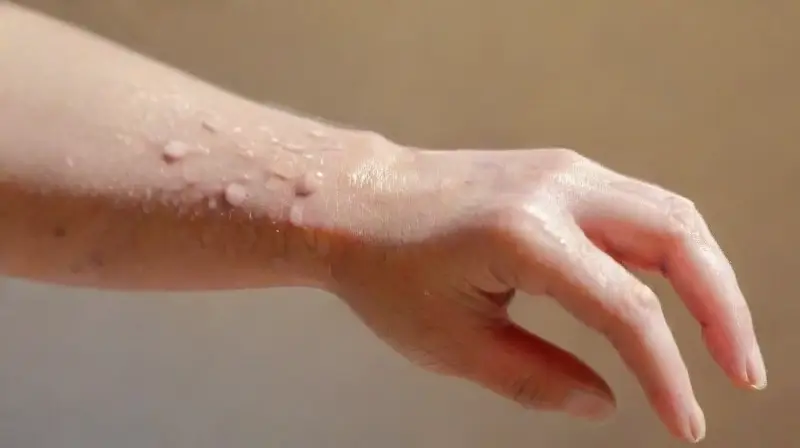
Sun exposure can severely damage a fresh tattoo, causing fading and discoloration. During the initial healing phase, it is crucial to shield your tattoo from direct sunlight by keeping it covered with clothing or a sterile, breathable bandage.
Once healed, applying a high-SPF sunscreen every day is essential for preventing UV rays from degrading the ink. Sun protection maintains the clarity and crispness of your tattoo over time and prolongs its lifespan.
Avoid deliberate sunbathing or tanning beds for at least a few weeks post-re-inking. Prolonged exposure can lead to pigmentation changes and uneven fading. Proper sun protection is an investment that helps preserve the quality and brilliance of your body art.
Avoiding Scratching and Picking
During the healing process, it’s common for the tattooed area to itch or form scabs. However, scratching or picking at the scabs can lead to premature damage of the ink and increase the risk of scarring.
It’s important to resist the urge to scratch, instead gently tapping or applying a cool, damp cloth to soothe the area. Keeping the skin moisturized reduces itchiness and helps the healing process go smoothly.
If itching becomes intense or the scabs are bothersome, consult your tattoo artist or healthcare professional for advice. Following this simple step protects your investment in body art and ensures a clean, sharp re-inked tattoo.
Avoiding Excessive Water Exposure
Exposing a fresh tattoo to water for prolonged periods can risk infection or ink loss. Avoid swimming in pools, lakes, or the ocean, and steer clear of hot tubs or jacuzzis until your tattoo is fully healed.
Showering is generally safe, but it’s best to keep the tattooed area out of direct stream and avoid soaking it for too long. Patting — rather than rubbing — the area dry prevents unnecessary irritation.
Maintaining a dry environment during the initial healing phase supports optimal recovery. Once fully healed, your tattoo can handle water exposure, but it’s always best to follow your artist’s specific instructions to preserve its integrity.
Wearing Loose Clothing
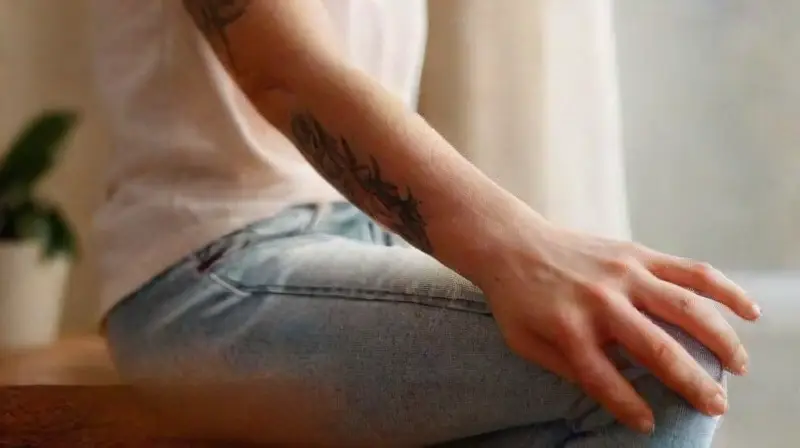
Clothing that rubs against a re-inked tattoo can cause irritation, scabbing, and even ink loss. Wearing loose, breathable garments minimizes friction and allows air to circulate around the area, speeding up healing.
Avoid tight-fitting clothes that might trap sweat and bacteria, which can lead to complications like infection. Additionally, breathable fabrics such as cotton are preferred because they reduce moisture buildup and keep the tattoo dry.
Choosing the right clothing during the healing phase is an easy but effective step to ensure your new ink heals properly and looks great. After the healing process, you can resume wearing your usual clothes without worry.
Monitoring for Signs of Infection
While most re-inked tattoos heal without issues, it’s important to watch for signs of infection or complications. Symptoms like excessive redness, swelling, pus, or a foul smell indicate that medical attention may be needed.
If you notice any of these signs, consult your healthcare provider promptly to avoid complications that could affect the appearance or health of your skin. Healing is usually straightforward when proper aftercare is followed, but vigilance is crucial.
Proper aftercare, including keeping the area clean and protected, helps prevent infections. Staying attentive to your skin’s condition ensures your tattoo remains vibrant, healthy, and safely healed.
Conclusion
Achieving a stunning and long-lasting re-inking result largely depends on diligent aftercare. Following professional advice, keeping the area clean, moisturized, and protected from the sun are essential steps for optimal recovery. Such practices not only preserve the quality of your tattoo but also safeguard your skin health.
Remember, patience and consistency are key during the healing process. Taking the time to care properly for your re-inked tattoo will ensure it remains vibrant, sharp, and beautiful for years to come, making your body art truly stand out.