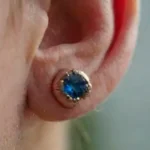
Nipple piercings have gained popularity as a form of body modification that allows individuals to express their personal style and enhance their confidence. This type of piercing has been around for centuries across various cultures, but recent trends have brought it into mainstream fashion. Many people consider getting a nipple piercing to be a bold statement or a way to feel more attractive and empowered.
However, despite the appeal, nipple piercings come with certain risks that should not be overlooked. Proper care and knowledge about the process are essential to prevent complications. Understanding what jewelry to choose and how to maintain hygiene plays a vital role in ensuring a positive experience with this type of piercing.
Choosing the Right Jewelry
Selecting suitable jewelry is crucial for both the healing process and long-term comfort. Initial jewelry is usually made of surgical steel or implant-grade titanium because these materials are less likely to cause allergic reactions. It’s important to opt for hypoallergenic options to minimize irritation.
The size and shape of the jewelry can also influence the healing process. Smaller, discreet pieces tend to be less intrusive, but they should be durable enough to withstand daily activities. Over time, many individuals choose to switch to more decorative jewelry, like rings or bars, to enhance their aesthetic appeal.
Healing Process and Care
The healing period for a nipple piercing typically ranges from 6 to 12 months, depending on individual factors. During this time, proper aftercare is essential to prevent infections and facilitate tissue recovery. Cleaning the piercing twice daily with saline solution is generally recommended.
It’s also important to avoid touching the piercing with unwashed hands or rotating the jewelry unnecessarily, as these actions can introduce bacteria. Wearing loose, breathable clothing can reduce irritation and friction on the freshly pierced area. Patience and diligent care support a smooth healing process.
Potential Complications
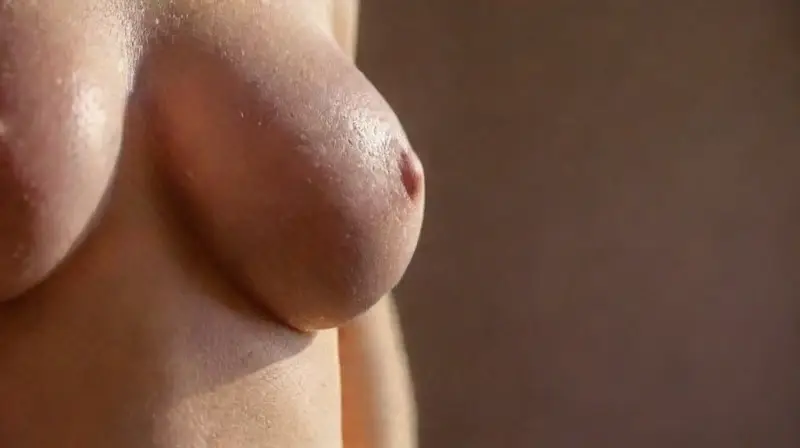
While many people experience successful healing, some complications can occur if proper precautions are not followed. Infection is one of the most common issues, characterized by redness, swelling, pain, or pus. Prompt treatment with antibiotics or professional removal may be necessary in severe cases.
Keloids or abnormal scar tissue formation may also develop around the pierced site, especially in individuals prone to such conditions. Allergic reactions to jewelry materials can cause persistent itching, redness, or swelling. Consulting a professional before piercing helps mitigate these potential problems.
Pain and Sensation
Pain levels during and after the piercing vary among individuals, depending on their pain tolerance and the technique used. Many describe the initial sensation as a quick, sharp sting, which subsides shortly after the procedure.
Some people report a temporary loss or alteration of sensation in the nipple area, but this usually normalizes over time. Properly performed piercings by experienced professionals can minimize discomfort and reduce the risk of nerve damage. Managing pain with over-the-counter remedies is typically sufficient during the healing phase.
Jewelry after Healing
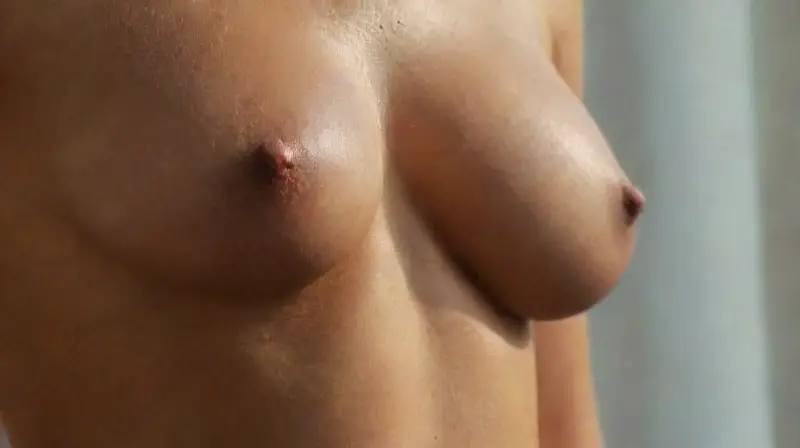
After the initial healing period, many choose to switch out their jewelry for more decorative or symbolic pieces. Popular options include jewelry made from stainless steel, titanium, or gold. These materials are durable and less likely to cause irritation.
Choosing the right jewelry style depends on personal preference and lifestyle. Barbell, ring, or captive bead designs are common choices. Regular cleaning and inspection of jewelry help ensure that the piercing remains healthy and attractive over time.
Cultural and Social Perspectives
Nipple piercings can carry different social and cultural significance around the world. In some societies, such piercings are seen as a form of rebellion or individualism, while in others, they may symbolize rites of passage. Understanding these viewpoints can help in making an informed decision about getting pierced.
In contemporary society, nipple piercings are often regarded as a fashion statement or a way to express personal identity. Some individuals choose to share their piercing journey openly, while others prefer to keep their modifications private. Respecting diverse perspectives enhances the understanding of this body modification.
Conclusion
Nipple piercings offer a unique avenue for self-expression but require careful consideration and responsible care. Educating oneself about proper practices and potential risks is essential for ensuring a safe and satisfying experience. Consulting with professional piercers and choosing high-quality jewelry can significantly reduce complications.
Ultimately, whether for aesthetic, cultural, or personal reasons, nipple piercings can be a rewarding form of body modification when approached with knowledge and respect. Proper aftercare and informed decisions help maintain both the health and appearance of the piercing for years to come.