In recent years, tattoos drawing inspiration from ancient Egyptian culture have gained significant popularity around the world. These designs often feature symbols and motifs from one of the world’s most mystic civilizations, blending history with modern artistry. Many individuals seek to express their admiration for Egypt’s rich heritage through striking body art. Now, Egyptian-themed tattoos are becoming a fashionable choice for those wanting a meaningful and aesthetically captivating design.
The allure of Egyptian tattoos lies in their deep symbolism and timeless appeal. From hieroglyphics to gods and pharaohs, these images evoke a sense of mystery and reverence. As tattoo artists continue to innovate, their ability to incorporate traditional Egyptian elements into contemporary styles has contributed to this rising trend. Consequently, more people are turning to Egyptian motifs to create uniquely personal and culturally rich expressions.
Symbolism of Egyptian Gods
Egyptian gods and goddesses are among the most popular themes for tattoos, representing various aspects of life and the universe. Anubis, the god associated with mummification and the afterlife, is often depicted as a jackal-headed figure, symbolizing protection and guidance through spiritual journeys. Many choose this symbol to embody transformation and protection.
Another widely chosen deity is Osiris, the god of the afterlife and resurrection. His image represents rebirth, renewal, and eternal life. People who seek a tattoo of Osiris often view it as a symbol of overcoming adversity or embracing their spiritual journey. The detailed depictions of Egyptian gods serve as powerful reminders of divine protection and spiritual strength.
Isis, the goddess of magic and motherhood, is also a common favorite. Her symbolization of nurturing and power makes her ideal for representing personal empowerment and familial bonds. Many opt for her iconic image to celebrate their own strength or honor loved ones. Egyptian gods provide a rich tapestry of meaning for those looking for symbolic tattoo designs.
Hieroglyphics and Texts
Hieroglyphics, the ancient picture-writing system of Egypt, are popular choices for tattoo designs because of their Mediterranean aesthetic and historical significance. These symbols are often used to spell out personal names, meaningful words, or inspirational phrases. Their visually captivating nature lends a timeless quality to tattoos.
Many individuals choose hieroglyphic inscriptions as a way to incorporate meaningful messages into their body art. The symbols can be customized to represent personal beliefs, life philosophies, or important milestones. Their intricate designs can be both discreet and profound, creating a unique form of communication on the skin.
Tattoo artists skilled in Egyptian art often help translate modern ideas into authentic hieroglyphic representations. This process ensures that each piece retains its cultural respect while serving as a deeply personal and visually impressive tattoo. Hieroglyphics continue to stand out as a versatile and meaningful element of Egyptian-inspired tattoo art.
Egyptian Symbols and Motifs
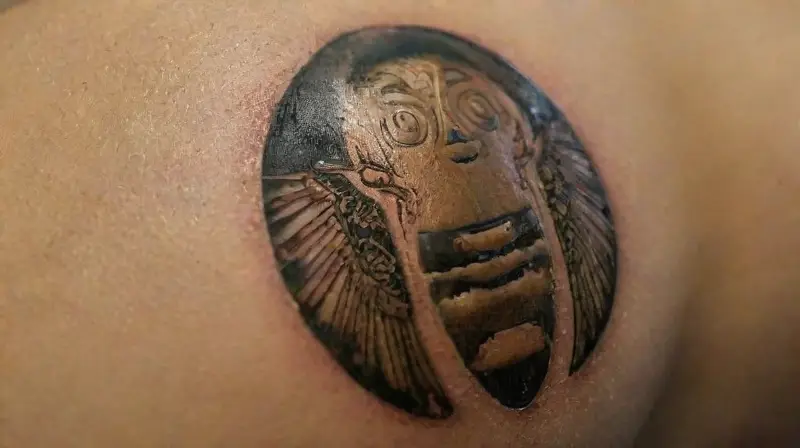
Certain symbols like the ankh, Eye of Horus, scarabs, and pyramids are central to Egyptian tattoo art. The ankh, often called the “key of life,” is a symbol of immortality and life itself, making it a popular choice for those wishing to convey vitality and eternal life.
The Eye of Horus represents protection, royalty, and good health. Its detailed, almond-shaped design is prominent in Egyptian jewelry and tattoos alike. People often incorporate this motif into larger pieces for a meaningful yet striking aesthetic.
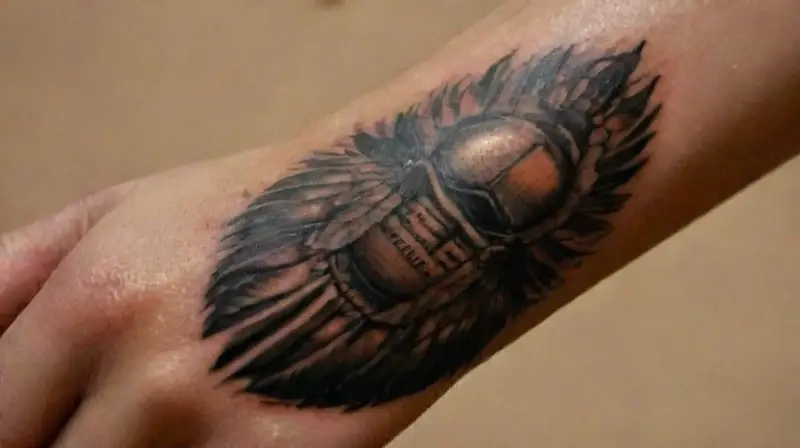
Scarabs, symbolizing rebirth and transformation, are another favorite. They often appear in tattoo designs as a sign of personal renewal or spiritual awakening. Egyptian motifs like pyramids or sphinxes also lend a majestic and ancient feel to tattoos, connecting modern wearers with Egypt’s grandeur.
Popular Placement and Styles
Egyptian-themed tattoos are versatile in terms of placement, suitable for a range of body parts from the wrist to the back or chest. Smaller hieroglyphic phrases work well on the wrist or ankle, while larger, detailed images like gods or pyramids flourish on the back or forearm.
Stylistically, Egyptian tattoos can be rendered in realism, line art, or even watercolor styles. Some opt for traditional black ink to preserve the mystique, while others choose vibrant colors to highlight specific symbols. Each style adds a different dimension to the ancient motifs.
Whether minimalistic or highly detailed, the design choice often reflects personal meaning and aesthetic preferences. The adaptability of Egyptian designs ensures they remain trendy and relevant across different fashion and tattoo trends.
Celebrity Influence

Celebrities have played a significant role in popularizing Egyptian-inspired tattoos. Public figures displaying motifs like the ankh or hieroglyphics have inspired countless fans to adopt similar elements into their own body art. This visibility has helped elevate Egyptian symbols to mainstream fashion.
High-profile celebrities often choose Egyptian tattoos to express divinity, strength, or ancestral connection, which resonates with their fans. Their bold choices often spark a trend that trickles down to everyday tattoo enthusiasts eager to emulate the iconic look.
The influence of celebrities continues to encourage innovative designs and greater acceptance of Egyptian motifs as a meaningful and fashionable statement. This exposure ensures that Egyptian-inspired tattoos will remain prominent in the global tattoo scene.
Cultural Considerations
While Egyptian-inspired tattoos are celebrated for their aesthetic and symbolism, it’s essential to approach them with respect for their cultural roots. Understanding the history and significance of symbols like the ankh or the Eye of Horus can enhance appreciation and avoid cultural insensitivity.
Many Egyptian symbols are sacred and hold spiritual importance. Tattoos that are disrespectful or superficial might offend those with deep cultural or religious ties to these motifs. Tattoos should be seen as a way to honor and celebrate Egyptian heritage rather than exploit it.
Educated and respectful choices in design and placement can help preserve the dignity of Egyptian symbols. Collaborating with knowledgeable tattoo artists ensures that authentic elements are used appropriately, enriching the meaning behind each design.
Conclusion
The rise of Egyptian-inspired tattoos reflects a growing appreciation for ancient culture and symbolism, blended with contemporary tattoo artistry. These designs serve not only as beautiful adornments but also as powerful representations of spiritual beliefs, heritage, and personal identity.
As interest continues to grow, we can expect more innovative interpretations of Egyptian motifs, with artists pushing creative boundaries while respecting their cultural significance. Whether for aesthetic appeal or meaningful expression, Egyptian-themed tattoos offer a timeless connection to history and mythology that resonates with many today.