Removing a body piercing is a common decision for many individuals, whether due to personal preference, social considerations, or health concerns. The healing process afterward is crucial to ensure the site recovers properly and minimizes the risk of infection or scarring. Proper aftercare and patience are essential components to facilitate a smooth healing journey.
Understanding what to expect during the recovery phase can help manage anxiety and promote confidence in self-care routines. Each person’s body reacts differently, so being informed about the typical stages and best practices can make the process more manageable and less stressful.
Initial Healing Phase
The initial stage after piercing removal usually begins within the first few days. During this period, the skin may appear red, swollen, and tender. It’s common to notice some minor bleeding or crusting around the area as part of the natural healing response.
Keeping the site clean is vital. Gentle cleansing with saline solution can help prevent infection. Avoid touching the area with unwashed hands or irritating it with harsh chemicals. Usually, scabbing or crusting will start to clear within the first week.
The body starts working to repair the tissue, and a scab forms to protect the healing skin underneath. It’s important to resist the urge to pick at the scab, as this can delay healing or cause scarring. Maintaining hygiene and gentle care are key during this stage.
Managing Discomfort and Swelling
Many people experience some discomfort and swelling after the piercing removal. Over-the-counter pain relievers can help manage soreness, but it’s important to follow medical advice for safe usage.
Applying a cold compress to the area can effectively reduce swelling and ease inflammation. This soothing technique is simple but can make a significant difference during the first few days of recovery.
If pain or swelling persists or worsens, consulting a healthcare professional is recommended. Persistent redness or signs of infection should not be ignored. Proper management during this phase supports a healthy and uneventful healing process.
Preventing Infection
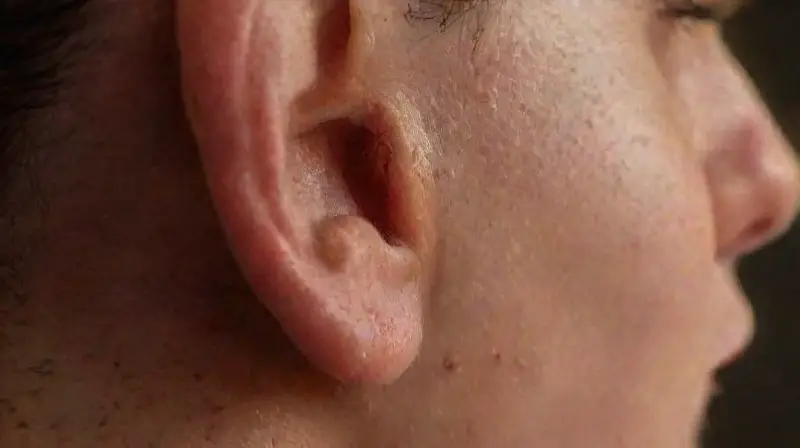
Infection is a common concern after piercing removal, but it can often be prevented with diligent hygiene. Regularly cleaning the healing site helps eliminate bacteria and reduces the risk of complications.
Using sterile saline solution is preferred over harsh chemicals or alcohol, which can irritate sensitive skin. Gentle, consistent cleaning twice daily is usually sufficient to keep the area clean and promote healing.
Observing for signs of infection—such as increased redness, pus, or foul odor—is essential. Early intervention with antibiotics or medical advice can prevent more serious issues and ensure a smoother healing process.
Scar Formation and Skin Remodeling
Scarring may occur naturally after removing a piercing, especially if the area was irritated or infected during healing. The body starts remodeling tissue to close the wound, which can result in a scar that fades over time.
Using silicone gels or sheets can help minimize the appearance of scars once the site has healed. Protecting the area from excessive sun exposure also preserves skin integrity and prevents discoloration.
Though scars often improve with time, some individuals may opt for dermatological treatments or scar-reduction therapies for better aesthetic results. Patience and proper care can significantly influence the outcome.
Protecting the Area from External Factors
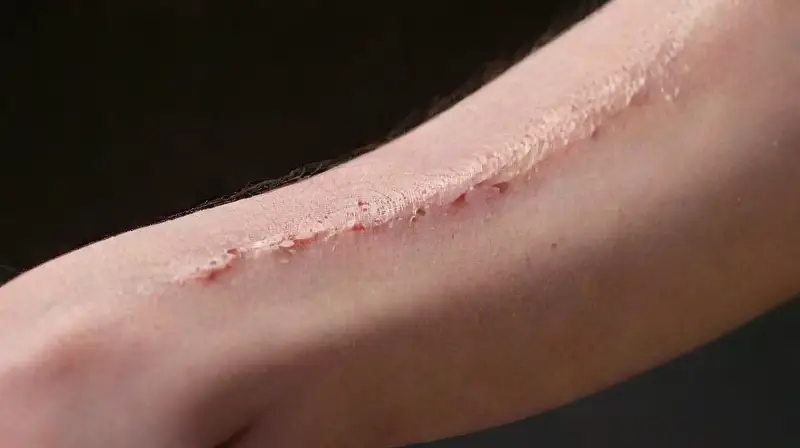
The healing skin is vulnerable to environmental damage. Protecting the site from UV radiation, friction, or mechanical irritation is crucial during recovery.
Wearing loose, breathable clothing can prevent unnecessary pressure or rubbing against the healing skin. Applying sunscreen with high SPF helps shield the area from sun damage, which can darken scars or prolong healing.
Avoiding vigorous activities that may cause trauma to the area is recommended. Keeping the site protected ensures the tissue heals effectively and reduces the likelihood of complications.
Long-term Aftercare and Maintenance
Once the initial healing phase is complete, maintaining healthy skin is important. Continued hydration and moisturizing can support tissue elasticity and overall skin health.
Regularly monitoring the area for new or unusual changes ensures any problems are addressed promptly. If scars or other concerns develop, consulting a dermatologist or specialist can provide tailored solutions.
Proper long-term care helps maintain the aesthetic appearance of the healed area and prevents future issues. Consistent attention and good hygiene practices are the foundation of effective maintenance.
Conclusion
The healing process after piercing removal requires patience, attention to hygiene, and careful protection of the area. By understanding the different stages and following recommended aftercare routines, individuals can promote proper tissue recovery and minimize complications.
With proper care, scars can fade over time, and the skin can regain its natural appearance. Being proactive and gentle throughout the healing phase helps ensure a positive outcome and restores skin health effectively.