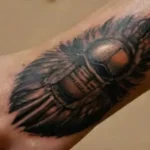
Tattoos have long been a form of self-expression, symbolizing memories, beliefs, or personal stories. Over the years, they have transitioned from being associated with certain subcultures to becoming mainstream art that adorns people of all backgrounds. The vibrant colors used in modern tattoos enable intricate designs, making tattoos a dynamic and expressive medium.
However, despite their popularity, many misconceptions surround the art of tattooing. Some believe that tattoos are unhealthy, permanent disfigurements, or culturally inappropriate. It is important to distinguish between myths and facts to make informed decisions about getting a tattoo and caring for it properly.
History of Colorful Tattoos
Historically, colors in tattoos have held significant meaning across various cultures. Indigenous tribes used specific dyes to create designs that conveyed status, achievements, or spiritual beliefs. In Polynesia, vibrant blues and reds symbolized status and protection, while in Japan, elaborate colorful tattoos represented artistry and social identity.
During the 20th century, tattoo ink technology improved, allowing more vibrant and durable colors. Today, the range of hues is vast, giving artists the ability to craft highly detailed and colorful designs. These developments have helped elevate tattoo art into a respected and vibrant form of creative expression.
The Science of Tattoo Ink
Tattoo ink consists of pigments suspended in a carrier solution, which allows the ink to be deposited beneath the skin. The colors are chosen based on the desired design, with black and gray shades being the most common, but vibrant colors adding richness to tattoos. Modern inks are formulated to be safe and long-lasting.
Colorful inks contain various chemical compounds that provide brightness and durability. However, not all inks are created equal, and some may contain impurities or allergens. Advances in safe ink formulations have helped reduce health risks but emphasize the importance of choosing reputable tattoo artists who use high-quality materials.
Common Myths About Colorful Tattoos

One popular myth is that colorful tattoos fade quickly or require frequent touch-ups. While it’s true that colors may fade over time, proper aftercare and the quality of ink significantly influence their longevity. With advanced ink formulas and proper maintenance, vibrant tattoos can remain striking for decades.
Another misconception is that colorful tattoos are more painful or risky than black ink designs. Pain levels depend on the placement and individual pain tolerance, not ink color. Moreover, allergic reactions are rare but can occur with any ink, making it essential to choose skilled artists who follow safety standards.
The Process of Getting a Colorful Tattoo
Getting a colorful tattoo involves an initial consultation with a professional artist to design the artwork. During the session, the artist stencils the design onto the skin and carefully applies the ink with specialized needles. The vibrancy of colors depends on the skill of blending and shading.
Healing is a crucial stage for maintaining the tattoo’s appearance. Proper aftercare includes keeping the area clean, avoiding sun exposure, and applying suggested moisturizers. Colorful tattoos might require additional touch-ups to preserve brightness, especially if exposed to sunlight frequently.
Tattoo Care and Maintenance

To ensure the longevity of a colorful tattoo, proper care is essential. This involves regular moisturizing, sun protection, and avoiding abrasive clothing that might irritate the skin. Over time, color may fade, but following aftercare instructions can extend its vibrancy.
Touch-ups are often recommended to restore the original intensity of colors. Visiting the tattoo artist periodically can help maintain the artwork’s appearance. Consistent caring for a tattoo not only preserves its beauty but also minimizes potential infections or complications.
Cultural Significance of Colorful Tattoos
Colorful tattoos play a significant role in cultural identity and spiritual beliefs around the world. For example, in Maori culture, intricate geometric patterns, often in black and red ink, symbolize ancestral lineage. In modern society, vibrant tattoos are often seen as acts of personal empowerment and artistry.
They can also serve as commemorative symbols, reminding individuals of important events, loved ones, or personal milestones. Recognizing the cultural significance behind colorful tattoos fosters respect and appreciation for diverse artistic traditions.
Conclusion
Colorful tattoos are a captivating blend of art, culture, and personal storytelling. Their vibrant appearance offers limitless possibilities for creative expression, making them a popular choice for many individuals. Understanding the facts about inks, safety, and maintenance helps ensure that tattoos remain beautiful and meaningful over time.
While myths may create unnecessary concerns, informed choices and proper care can make the tattooing experience rewarding. Embracing the diversity and cultural depth behind colorful tattoos allows people to celebrate their identities while enjoying a timeless form of artistic expression.