Tattoo artists are constantly looking for tools that enhance their accuracy and improve the overall quality of their work. Rotary machines have emerged as a popular choice due to their versatility and precision, making them ideal for detailed and intricate designs. As the industry evolves, understanding the benefits and proper use of rotary tattoo machines becomes essential for professionals aiming for excellence.
Many artists prefer rotary machines over traditional coil devices because they operate more smoothly and quietly. This not only results in a more comfortable experience for clients but also allows for greater control over line work and shading. Investing in a high-quality rotary machine can significantly elevate the standard of tattooing, ensuring cleaner lines and finer details.
What Are Rotary Machines?
Rotary tattoo machines function using a rotating motor that moves the needle in a smooth, consistent manner. Unlike coil machines, they do not rely on electromagnetic pulsations but instead use a direct drive system. This design translates to less vibration, making them easier to handle during long sessions.
These machines are known for their lightweight design, which reduces fatigue for the artist. Additionally, the absence of complex wiring means they are generally more straightforward to maintain and adjust. The versatility of rotary machines allows them to be used for various techniques, from lining to shading, without the need for multiple devices.
Advantages of Rotary Machines
One of the main benefits of rotary tattoo machines is their quiet operation. This feature creates a more relaxed environment for clients, reducing stress during the session. For artists, this means a calmer workspace, which can translate into better focus and precision.
Another significant advantage is the ease of use. Rotary machines are simpler to set up and adjust, making them accessible for beginners and experienced artists alike. Their consistent needle movement enables clean, crisp lines and smooth shading, giving tattoo work a polished appearance.
Finally, rotary machines often require less maintenance compared to coil machines. With fewer parts that can wear out or break, they are more durable and cost-effective in the long run. This reliability makes them a favorite among many professional tattoo artists.
Techniques Suitable for Rotary Machines
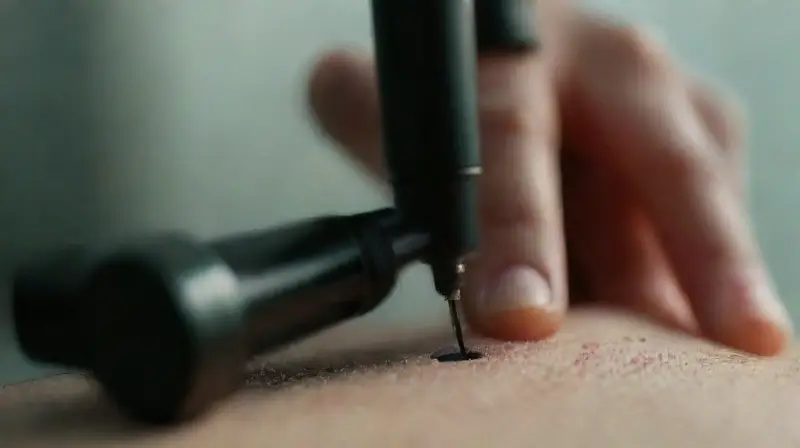
Rotary machines excel at delicate linework due to their steady needle movement. Artists can achieve fine, precise outlines that are essential for detailed designs and lettering. Their smooth operation allows for consistent ink deposits, resulting in clear, sharp edges.
Shading and coloring are also effectively performed with rotary devices. The adjustable speed and needle configurations enable artists to create soft gradients or bold fills seamlessly. This versatility makes rotary machines suitable for a wide range of tattoo styles, from realism to traditional.
For dot work and intricate patterns, the precision offered by rotary machines is especially beneficial. Artists can work with greater control to produce fine points and subtle transitions, elevating the overall quality of their artwork.
Selecting the Right Rotary Machine
Choosing an appropriate rotary tattoo machine depends on the artist’s specific needs and preferences. Factors like motor power, needle compatibility, and ergonomic design play crucial roles in making the right selection. A well-balanced machine can enhance comfort and precision during long tattoo sessions.
It’s also important to consider brands renowned for quality and durability. Reading reviews and consulting fellow artists can provide valuable insights into which models perform best in real-world scenarios. Investing in a reputable machine ensures consistent results and easier maintenance.
Moreover, adjustable features such as stroke length and voltage settings allow artists to customize their approach. A versatile rotary machine can adapt to various techniques and styles, making it a valuable tool in any tattoo studio. Proper training and practice are necessary to unleash its full potential.
Maintenance and Care
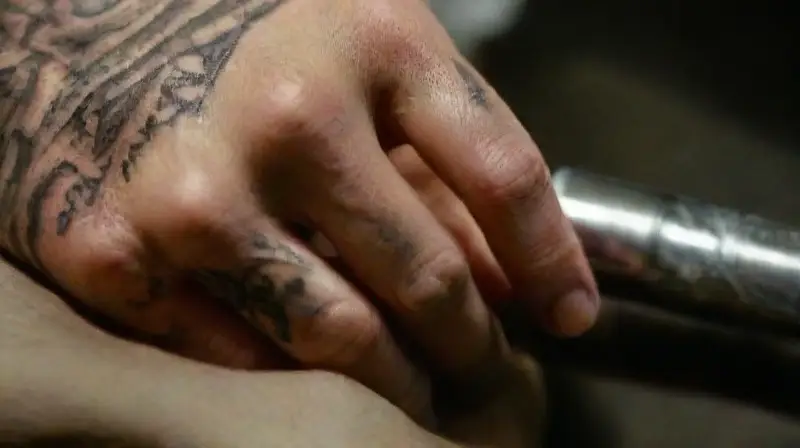
Proper maintenance of rotary tattoo machines is essential to ensure longevity and optimal performance. Regular cleaning after each session prevents ink buildup and contamination, which is critical for client safety. Disassembling the machine and sanitizing all parts is a standard procedure.
Lubrication and checking for wear and tear are also important. Applying the right kind of lubricant reduces friction and extends the life of moving parts. Regular inspections allow artists to identify and replace any damaged components early, avoiding downtime or compromised work.
Finally, storing the machine in a clean, dry environment protects it from dust and moisture. Proper storage ensures that the rotary device remains in excellent condition and ready for precise, professional tattoo work whenever needed.
Tips for Achieving Precision
Achieving high-precision tattoos with rotary machines involves more than just the right equipment. Artists should focus on proper hand positioning and consistent technique to maintain control over the needle. Practicing on synthetic skin or practice pads helps develop steady movements.
Adjusting the machine settings to suit individual styles and skin types is also critical. Experimenting with speed, needle depth, and voltage can help find the optimal workflow that yields crisp lines and smooth shading. Consistency in technique leads to more uniform results across different projects.
Lastly, maintaining a relaxed hand and controlled pressure during tattooing minimizes unwanted shifts or uneven lines. Patience and steady practice are key factors in mastering the use of rotary machines for detailed and precise artwork.
Conclusion
Rotary tattoo machines have revolutionized the way artists approach their craft, offering unmatched control and finesse. Their smooth operation, combined with ease of use and lower maintenance, makes them an ideal choice for both beginners and seasoned professionals aiming for precise results.
By understanding the features and best practices associated with rotary devices, tattoo artists can expand their techniques and improve the quality of their work. Investing in the right machine and maintaining it properly ensures a productive and creative environment, contributing to the artistry and precision that clients value highly.