Tattoo guilds have played a significant role in shaping the professional landscape of tattoo artistry for centuries. These organizations often serve as a unifying body for artists, advocating for standards, ethics, and the growth of the craft. Over time, guilds have contributed to elevating tattoos from mere body art to a respected art form within the wider community.
Meanwhile, tattoo conventions emerged as events where artists and enthusiasts gather to celebrate the culture, showcase their work, and network. These conventions have become essential hubs for innovation, education, and commerce in the tattoo industry. The interaction between guilds and conventions reflects the evolving relationship between tradition and modernity within the art form.
The Historical Roots of Guilds in Tattooing
Historically, guilds served as protective associations for craftsmen, ensuring quality and fair practice in their trades. In tattooing, early guilds sought to regulate the craft, maintaining artistic standards and safeguarding the reputation of their members. They often kept secrets about techniques, tools, and inks to preserve their unique identities.
These organizations also provided training and apprenticeship programs, fostering new generations of talented artists. They created a sense of community and shared purpose, which helped elevate the perceived value of tattooing as a profession. Over time, guilds became symbols of professionalism and pride for tattoo artists.
While many traditional guilds declined with industrialization, modern recreations have emerged to uphold similar values. Today’s guilds focus on mentorship, ethical standards, and industry advocacy, ensuring that the legacy of craftsmanship continues. Their influence remains evident at contemporary tattoo conventions.
The Rise of Tattoo Conventions
Tattoo conventions began as small gatherings aimed at sharing techniques and displaying artistic portfolios. Over the decades, these events expanded dramatically, drawing thousands of participants from around the world. They serve as vibrant marketplaces for artists to showcase new styles and innovations in ink.
Conventions also function as educational platforms, offering seminars, workshops, and demonstrations led by industry leaders. Attendees can learn about safety protocols, new tools, and emerging trends. This educational aspect helps professionalize the industry further, making it more accessible and respected.
Furthermore, conventions promote networking among artists, clients, and suppliers. They facilitate collaborations, commissions, and business growth. As iconic gatherings, they have become essential for fostering community spirit and celebrating the evolving culture of tattooing.
The Mutual Influence of Guilds and Conventions

Guilds often participate in tattoo conventions by organizing competitions and exhibitions. Their involvement helps establish standards for artistry and professionalism at these events. By setting criteria for judging, guilds contribute to elevating the quality of work presented.
In turn, conventions offer guild members exposure to diverse styles and innovative techniques, fostering growth and adaptation. These events serve as opportunities for ongoing education and the exchange of ideas, which benefit guild members and the broader community. This synergy helps the industry develop rulebooks and best practices collectively.
The collaboration between guilds and conventions also promotes ethical standards and responsible practices. By working together, they work toward creating a safe and respected environment for artists and clients alike. Their joint efforts reinforce the credibility of tattooing as a serious art form.
Challenges Faced by Guilds in the Modern Industry
Despite their importance, guilds face challenges adapting to contemporary trends and industry dynamics. The rise of digital media means more artists promote their work online, sometimes bypassing traditional organizational structures. This shift can lead to difficulties maintaining standards and cohesion.
Additionally, the global popularity of tattoo conventions has increased competition among organizations claiming to uphold standards. Not all groups have the same level of credibility, which can cause confusion among consumers and artists. Ensuring the integrity of guilds requires ongoing effort and transparency.
Finally, issues such as regulation, licensing, and health concerns have complex implications for guilds. They must advocate for policies that protect both artists and clients while navigating different legal frameworks worldwide. This balancing act is crucial for the sustainability of the industry.
The Impact of Cultural Diversity in Guilds and Conventions
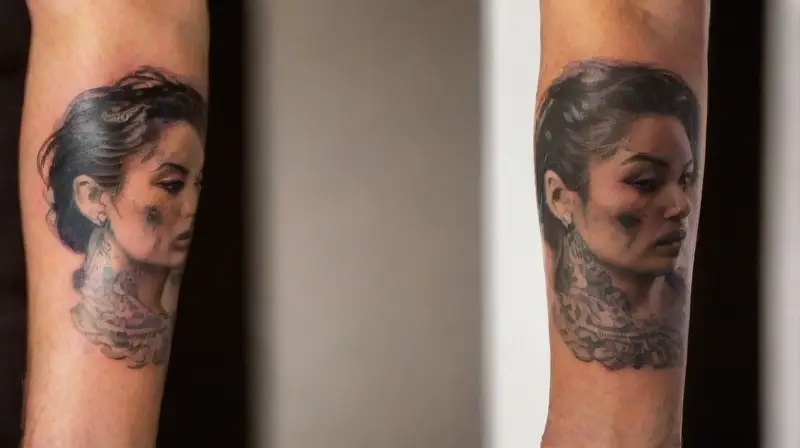
Tattoo guilds and conventions are becoming more inclusive of different cultural expressions and styles. This diversity enriches the tapestry of tattoo art, allowing for a broader range of traditions and influences to thrive. Recognizing multicultural contributions helps promote mutual respect and understanding.
Cultural fusion at conventions fosters innovative designs that blend various artistic heritages. Guilds oversee ethical considerations related to respecting cultural symbols and avoiding appropriation. They play a vital role in educating artists about cultural sensitivities.
Diversity also encourages dialogue among artists from different backgrounds, inspiring creativity and collaboration. As the industry evolves, promoting inclusivity strengthens the community and ensures that tattoo art reflects a global mosaic of stories and identities.
Future Trends and the Evolving Role of Guilds and Conventions
Looking ahead, technology will continue to shape both guilds and tattoo conventions. Virtual reality, augmented reality, and digital portfolios will transform how artists showcase their work and learn new techniques. Guilds may adopt digital platforms to facilitate mentorship and certification.
The rise of sustainable practices and eco-friendly inks is likely to influence industry standards, with guilds leading efforts to promote responsible production and usage. Conventions might serve as venues to highlight these innovations and educate attendees about environmental impact.
Ultimately, the relationship between guilds and conventions will remain vital for the growth and integrity of tattooing. As the industry expands globally, fostering collaboration and shared standards will be essential to maintaining a vibrant, respectful, and innovative community of artists.
Conclusion
The partnership between guilds and tattoo conventions has been pivotal in transforming tattooing into a respected and dynamic art form. Guilds provide cultural heritage, standards, and mentorship, while conventions serve as platforms for exposure, education, and community building. Together, they shape the future of the industry by promoting excellence and creativity.
As tattooing continues to evolve, both guilds and conventions must adapt to new technologies, cultural shifts, and industry challenges. Their collaborative efforts will remain crucial for ensuring professionalism, ethical practices, and artistic innovation. The ongoing relationship between these entities will ultimately contribute to a more inclusive and vibrant tattoo community worldwide.