Maintaining hygiene standards is crucial for any tattoo studio, especially those that handle a high volume of clients daily. Proper sterilization not only ensures the safety of clients but also preserves the reputation of the studio. Failure to adhere to rigorous sterilization protocols can lead to the spread of infections and tarnish the studio’s credibility.
Operational efficiency is often a challenge in busy studios, where time constraints may tempt staff to shortcut sterilization processes. However, implementing effective sterilization techniques is essential to prevent cross-contamination and ensure each client receives a safe and sterile tattooing experience. Educating staff on best practices is an integral part of maintaining high standards in such environments.
Sterilization Equipment and Tools
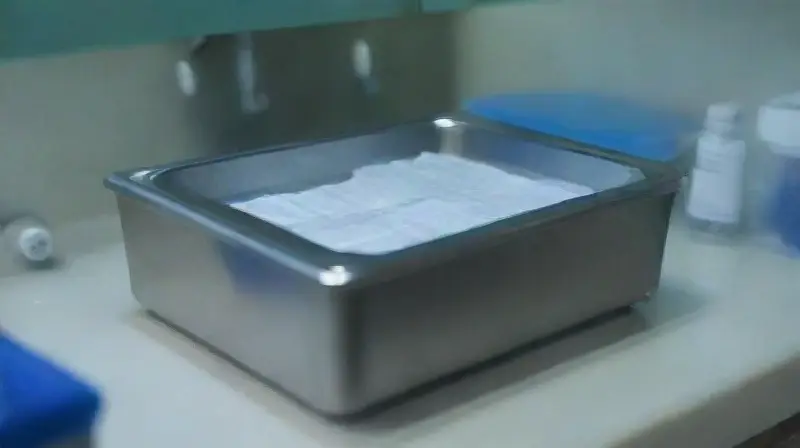
Selecting appropriate sterilization equipment is fundamental in high-volume tattoo studios. Autoclaves are considered the gold standard because they use high-pressure saturated steam to kill all microorganisms effectively. Investing in a reliable autoclave ensures that tools are properly sterilized between uses.
Reusable tools such as needles, tubes, and grips must undergo thorough cleaning prior to sterilization to remove blood, ink, and tissue debris. Using ultrasonic cleaners can enhance this process by removing residual contaminants that may be missed during manual cleaning. Proper maintenance of sterilizers is equally important to keep them functioning efficiently.
Regular validation of sterilization equipment is necessary to confirm that they are working effectively. Batch testing with biological indicators, like spore tests, can help verify the sterilization cycle’s success. Documenting these validation procedures is important for compliance and quality control in busy studios.
Single-Use Supplies
The use of single-use supplies is a critical aspect of infection control in high-volume environments. Items such as needles, ink caps, gloves, and barriers should be disposed of after each client to prevent cross-contamination.
Pre-packaged sterile supplies are preferred for their convenience and reliability. They eliminate the risk of contamination during handling and reduce the need for manual sterilization of certain items. Always check expiration dates and packaging integrity before use.
Implementing a strict policy on single-use item disposal simplifies the process and reduces errors. Adequate training ensures staff understand the importance of proper disposal procedures, contributing significantly to the studio’s overall hygiene standards.
Cleaning Protocols

Establishing and adhering to strict cleaning protocols is vital for high-volume tattoo studios. All surfaces, equipment, and tools should be cleaned with appropriate disinfectants after each client session.
Use hospital-grade disinfectants that are effective against bacteria, viruses, and fungi. Pay special attention to workstations, chairs, and tattoo machines, which are frequently touched. Regular cleaning schedules help maintain a sterile environment throughout the day.
Documenting cleaning routines ensures accountability. This can include checklists that staff review and sign off, helping to maintain consistency and provide evidence of compliance with health regulations.
Staff Training
Proper training of staff provides the foundation for effective sterilization practices. Employees should be thoroughly instructed on all sterilization procedures, including cleaning, sterilizing, and handling equipment.
Ongoing education updates staff on the latest standards and techniques in infection control. Regular refresher courses ensure compliance and reinforce the importance of hygiene protocols in dense workflow environments.
Promoting a culture of responsibility and awareness among team members encourages everyone to prioritize sterilization. Clear communication and accountability can prevent lapses that compromise client safety.
Monitoring and Documentation

Constant monitoring of sterilization processes is essential to ensure ongoing effectiveness. Using biological indicators periodically helps verify that sterilization cycles are achieving desired results.
All sterilization activities should be carefully documented, including sterilization logs, equipment maintenance, and validation tests. Proper record-keeping supports accountability and helps in audits or inspections.
Implementing digital tracking systems can streamline the monitoring process, making it easier to retrieve records quickly. This documentation demonstrates compliance with industry standards and provides peace of mind for clients.
Waste Disposal and Safety Measures
Handling biomedical waste responsibly is critical in high-volume tattoo studios. Proper disposal procedures prevent contamination and protect staff and the environment. All sharps and contaminated materials should be discarded in designated, puncture-resistant containers.
Staff should be trained on safety protocols, including wearing personal protective equipment (PPE), such as gloves and masks. Regular waste disposal, combined with safe handling practices, minimizes the risk of accidental injury or infection.
Developing a waste management plan aligned with local regulations ensures compliance and sustainability. Maintaining awareness of safety measures promotes a hygienic and safe workspace for both employees and clients.
Conclusion
In busy tattoo studios, robust sterilization protocols are indispensable for delivering safe, hygienic services. By investing in the right equipment, adhering to strict cleaning routines, and ensuring comprehensive staff training, studios can significantly reduce the risk of infections.
High-volume environments require meticulous attention to detail and consistency. Cultivating a culture that prioritizes hygiene not only protects clients but also sustains the studio’s reputation and operational success. Continuous improvement and compliance are key to thriving in this competitive industry.