Getting a tattoo is an exciting process that transforms your skin into a piece of artwork. However, once the tattooing is complete, the skin begins the healing process, which involves forming scabs. These scabs protect the new ink and aid in healing, but sometimes they can become stubborn and resistant to natural fall-off. It’s essential to understand how to manage these scabs properly to ensure your tattoo heals beautifully without complications.
Many individuals worry about removing scabs prematurely, fearing damage to the fresh ink or infection. Knowing the correct techniques and caring for your skin is crucial for safe healing. By following proper aftercare protocols, you can avoid scabs turning into issues and maintain the appearance of your tattoo over time.
Understanding the Healing Process
The healing process begins right after the tattoo is done, with your skin immediately starting to repair itself. During this phase, scabs form as part of the body’s natural defense mechanism to protect the underlying tissue. These scabs contain dried blood, plasma, and lymph, which safeguard the new ink from bacteria and external irritants.
Over time, the scabs gradually loosen and detach from the skin as new layers of skin regenerate. This process usually takes about one to two weeks, but it can vary depending on the size of the tattoo and individual healing capabilities. Recognizing the signs of a healthy healing stage helps prevent unnecessary interference with the scabbing process.
A key aspect of understanding healing is recognizing that stubborn or thick scabs are often a normal part of the process. Attempting to remove them prematurely can lead to scar formation or color loss. Patience and proper aftercare are vital to ensure complete and safe healing.
Proper Tattoo Aftercare Habits
The foundation of removing stubborn scabs safely begins with good aftercare. Keeping the tattoo clean is critical; gentle washing with mild, fragrance-free soap helps prevent infection and reduces scab buildup. Patting the area dry with a clean towel is recommended over rubbing, which can damage sensitive skin.
Moisturizing regularly is also essential in softening scabs and facilitating their natural fall. Use a recommended ointment or moisturizer prescribed by your tattoo artist to maintain hydration. Avoid overly thick or greasy products that can trap bacteria or prolong healing time.
Additionally, avoid scratching or picking at scabs, as this can lead to scarring or ink loss. Wearing loose clothing prevents unnecessary irritation, and protecting your tattoo from sun exposure speeds up the healing process. Remember, patience and gentle care are your best tools for safe healing.
When and How to Gently Exfoliate

Gently exfoliating can help in removing stubborn scabs without damaging the healing skin. Start this process only after the initial healing phase, usually after the first week, when the scabs have started to loosen. Use soft, non-abrasive materials like a gentle washcloth or skincare brush.
Apply a mild, hydrating exfoliant to the area and massage gently in circular motions. This process helps loosen dead skin and encourages the natural shedding of scabs. Avoid harsh scrubs or over-exfoliating, as this can irritate the skin and damage the ink.
Always stop if you feel any discomfort or pain, and ensure the skin is sufficiently healed before starting exfoliation. Combining careful exfoliation with ongoing healing care can significantly accelerate the removal of stubborn scabs safely.
Using Natural Remedies Safely
Some people prefer natural remedies to help loosen stubborn scabs or soothe irritated skin. Ingredients like coconut oil, honey, or aloe vera are popular options because of their moisturizing and healing properties. Always use pure and natural products to minimize the risk of an allergic reaction.
Applying a thin layer of natural oil or gel can soften scabs, making them easier to shed naturally. These remedies also promote skin regeneration and reduce inflammation. Ensure you clean the area thoroughly before application to prevent bacterial buildup.
It’s important to remember that natural remedies are not a substitute for proper aftercare. Use them as supplementary measures and avoid any home treatments that involve picking, scratching, or harsh chemicals. Consulting your tattoo artist or dermatologist before trying remedies helps ensure safety.
When to Seek Professional Help
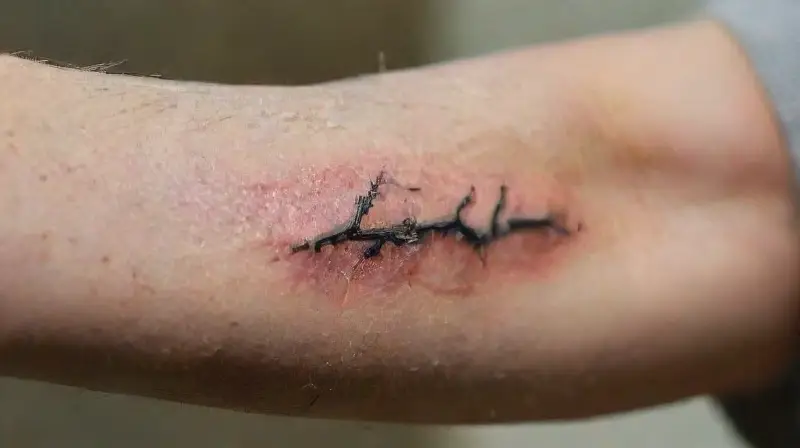
While most scabs can be managed at home, some situations require professional intervention. If persistent scabs show signs of infection, such as excessive redness, swelling, pus, or a foul odor, consult a healthcare provider immediately. These could be signs of infection that need medical attention.
If scabs are causing discomfort or seem abnormally thick, damaged, or bleed easily upon removal, a professional artist or dermatologist can advise on safe removal methods. They may perform specialized cleaning or suggest treatments to prevent scarring and promote proper healing.
Remember, attempting to forcibly remove stubborn scabs can lead to complications like scarring or ink loss. Seeking professional help ensures that your tattoo heals correctly and maintains its vibrancy. Prioritizing medical advice during such times protects your skin and investment.
Avoiding Common Mistakes
One of the biggest mistakes people make is picking or ripping off scabs prematurely. This action can cause permanent damage to the ink, increase the risk of infection, and lead to scarring. Patience throughout the healing process is vital for the best results.
Using harsh chemicals or aggressive scrubbing during cleansing can also harm healing skin. Always stick to recommended products, and never use abrasive tools on your tattoo. Proper hydration and gentle care help your skin recover without unnecessary trauma.
Lastly, neglecting sun protection can cause discoloration or fading of your tattoo. Once healed, always apply broad-spectrum sunscreen to preserve the vibrancy of your ink. Following these simple precautions helps you avoid complications and ensures a beautiful tattoo for years to come.
Conclusion
Caring for a healing tattoo requires patience, gentle techniques, and proper aftercare. Understanding the healing process helps you manage stubborn scabs safely without risking damage to your skin or ink. By sticking to recommended routines, you can promote healthy regeneration and avoid complications like infections or scars.
Remember, every tattoo heals differently, and stubborn scabs are often part of the natural process. Taking the time to care for your skin properly and seeking professional advice when needed ensures your tattoo remains vibrant and beautiful. With patience and proper care, you’ll achieve the best possible outcome for your artwork.