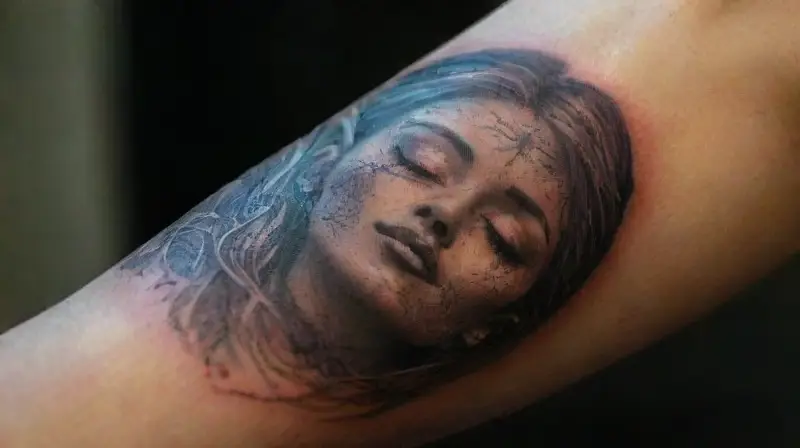
In recent years, spiritual tattoos have surged in popularity across the globe, reflecting a growing desire for personal meaning and connection. Many individuals are turning to ink as a way to express their inner beliefs, values, and life philosophies visibly on their bodies. This trend signifies more than just aesthetic choice; it embodies a quest for spiritual understanding and self-discovery.
People from diverse cultural backgrounds are embracing symbolic tattoos that carry deep significance. Whether inspired by religious traditions, mythological stories, or personal experiences, these tattoos serve as daily reminders of one’s spiritual journey. The resurgence of this art form highlights a broader cultural shift towards mindfulness and introspection.
The Cultural Significance of Symbols
Cultural symbols hold powerful meaning in shaping individual identities and societal values. For centuries, communities have used sacred symbols to convey beliefs, protect from harm, or seek divine favor. These symbols often act as a visual language that transcends spoken words, fostering a sense of belonging.
When individuals choose these symbols as tattoos, they forge a connection to their heritage, ancestors, or spiritual guides. This act of permanent ink becomes a personal affirmation of cultural pride and spiritual allegiance. It also educates others about the diverse symbolic languages across cultures.
Moreover, these symbols can serve as tools for meditation and ritual. Many believe that tattooed symbols resonate with universal energies, aiding in spiritual practices. They become living talismans, embodying the wearer’s desired virtues or protective forces.
Popular Sacred Symbols and Their Meanings
Among the most popular spiritual tattoos are the Om symbol, representing divinity in Hinduism and Buddhism. This sacred sound signifies universal consciousness and the unity of all existence. Tattoos of Om often inspire a sense of calm and mindfulness in the wearer.
The Lotus flower is another cherished symbol, emblematic of purity, enlightenment, and rebirth. Its ability to rise from muddy waters without stain makes it a powerful metaphor for spiritual transformation. Many choose to ink the lotus as a reminder of their personal growth and spiritual awakening.
In addition, the Tree of Life appears frequently in spiritual tattoos—symbolizing interconnectedness, fertility, and eternal life. Its intricate branches and roots reflect the complexity and harmony of the universe. For many, it represents their spiritual roots and aspirations for growth.
The Evolution of Spiritual Tattoos

The artistry of spiritual tattoos has evolved significantly, integrating traditional symbols with contemporary styles. Tattoo artists now blend intricate line work, vibrant colors, and modern designs to create meaningful pieces that resonate personally.
This evolution allows for greater personalization, enabling wearers to incorporate unique elements that reflect their individual spiritual narratives. Custom designs can fuse multiple symbols or incorporate nature, animals, and celestial motifs, enriching their meaning.
Technological advances in tattoo equipment and inks have also improved safety and longevity. As a result, more people feel comfortable exploring complex spiritual imagery on their skin, further propelling the trend of sacred symbolism.
The Role of Meditation and Mindfulness
Many who adopt spiritual tattoos also practice meditation and mindfulness to deepen their spiritual connection. These tattoos often act as visual anchors during meditation sessions, helping individuals focus and attain clarity.
The presence of sacred symbols can evoke feelings of peace and grounding, enhancing spiritual resilience. Wearing a symbol that one respects and identifies with frequently reminds individuals of their intentions and goals in life.
Furthermore, the tattoos can serve as ongoing reminders of personal vows or commitments to spiritual growth. They reinforce a commitment to mindfulness practices and inspire continued pursuit of inner peace.
Ethical Considerations in Choosing Symbols

Selecting a spiritual tattoo requires careful consideration of cultural sensitivity and respect. Appropriating symbols from cultures without understanding their deeper meaning can offend or diminish their significance.
It’s important for individuals to research the origins and significance of symbols before incorporating them into their body art. Consulting with cultural or spiritual experts can provide valuable insight and ensure respectful representation.
Being aware of appropriation versus appreciation fosters a more respectful approach to spiritual symbolism. True reverence for these symbols enhances their authenticity and honors the cultures from which they originate.
The Future of Spiritual Tattoos
As society continues to evolve, the appeal of spiritual tattoos is likely to grow, influenced by global interconnectedness and greater awareness. The intersection of art, spirituality, and personal identity creates a fertile ground for innovation in tattoo design.
Emerging trends include augmented reality enhancements and interactive tattoo artworks that convey complex spiritual concepts in new and engaging ways. This technological integration can deepen the connection between wearers and their symbols, making the spiritual experience more immersive.
Ultimately, the future of spiritual tattoos seems rooted in authenticity and personal storytelling. As more people seek meaningful expressions of their spiritual lives, sacred symbols will remain a profound and evolving form of self-articulation.
Conclusion
Spiritual tattoos are more than decorative artwork; they are powerful expressions of personal beliefs and cultural heritage. Their rise reflects a broader cultural movement towards mindfulness and self-awareness, inspiring many to carry symbols of their spiritual journeys forever on their skin.
By thoughtfully choosing and respecting these symbols, individuals can cultivate a deeper connection to their inner selves and cultural roots. As this trend grows, it will continue to serve as a meaningful bridge between tradition, art, and personal transformation.