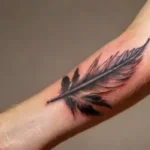
Tattoo workshops are comprehensive sessions designed to equip aspiring artists with the necessary skills and equipment. Attendees learn not only the art of tattooing but also the importance of using the right tools to ensure safety, precision, and quality. Mastery over these tools is fundamental for creating professional and long-lasting tattoos.
Having the correct tools also minimizes risks associated with infections and injuries. Workshops emphasize hands-on experience with equipment such as tattoo machines, needles, inks, and other essential supplies. This ensures artists are well-prepared to work confidently in real-world settings.
Tattoo Machines
A tattoo machine is the core tool used by every artist, serving as the primary device for inserting ink into the skin. Workshops cover different types of machines, including coil and rotary models, explaining their unique advantages and applications. Understanding these differences helps artists select the best machine for their style and comfort.
Proper maintenance of tattoo machines is critical to achieve consistent results. Workshops teach proper cleaning, lubrication, and setup techniques to prolong equipment lifespan and ensure hygiene. Artists also learn troubleshooting methods to fix common issues that might arise during sessions.
The ergonomic design of tattoo machines influences both precision and artist comfort. Participants practice adjusting needle depth, speed, and grip techniques to improve their control. Mastering these aspects helps in creating detailed and smooth designs, minimizing fatigue during lengthy sessions.
Needles and Tubes
Needles come in various configurations tailored for different effects such as lining, shading, or coloring. Workshops help artists understand how to choose the right needle for each task to achieve desired outcomes. Proper needle selection is essential for both clarity and safety in tattooing.
The correct assembly and sterilization of needles and tubes are emphasized to prevent infection and cross-contamination. Participants learn procedures for safely loading needles into tubes, disinfecting equipment, and disposing of single-use items properly.
Understanding the technique of needle handling enhances control and accuracy. Workshops include hands-on practice with different needle types, focusing on their application in various tattoo styles. This foundational knowledge ensures professional and hygienic practices.
Ink and Pigments

Tattoo inks are pivotal to the visual quality of the final design and are available in a broad spectrum of colors. Workshops cover the different types of inks, discussing their composition, safety, and suitability for various skin types. Knowing which ink to use is crucial for vibrant and durable tattoos.
Proper mixing and shading techniques with pigments are taught to create depth and dimension. Artists learn how to blend colors seamlessly and avoid issues like blurring or fading over time. Mastery of pigment application contributes to the overall aesthetic of the artwork.
Safety standards related to ink use are a major focus. Workshops emphasize sourcing inks from reputable suppliers and understanding potential allergies. Staying informed about regulatory guidelines helps prevent adverse reactions and ensures client health.
Power Supply and Foot Pedal
The power supply provides the energy needed to operate tattoo machines smoothly. Workshops teach how to select, connect, and regulate power sources for optimal performance. Proper voltage settings are essential to control the speed and force of the machine.
Foot pedals activate the machine and give artists control over their work. Training covers how to position and operate pedals effectively to ensure fluid motion without disruption. This coordination is vital for precise line work and shading.
Maintaining consistent power supply helps prevent machine malfunctions during tattoo sessions. Participants learn troubleshooting techniques for common issues like fluctuations or outages. A reliable setup ensures the artist’s focus remains on creating high-quality designs.
Stencils and Transfer Papers
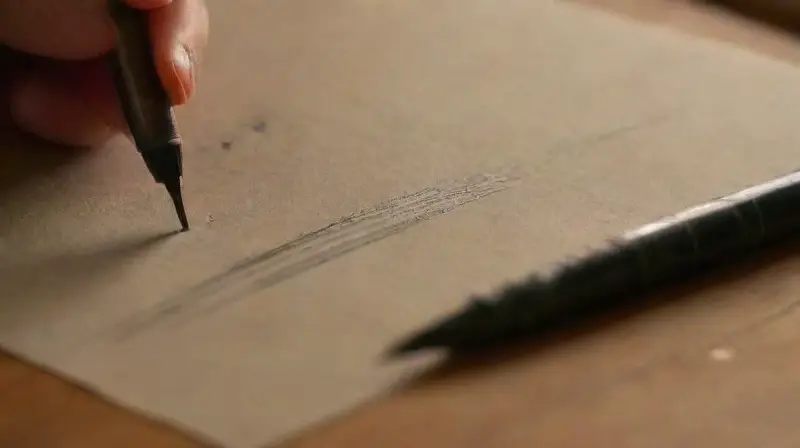
Stencils serve as guides, helping artists transfer initial sketches onto the skin. Workshops explain the process of creating clean, accurate transfer designs using transfer paper and other techniques. Proper stencil application ensures the final tattoo aligns with the original concept.
Correctly preparing and applying stencils is key to achieving symmetry and detail. Participants practice transferring designs onto various skin types and learn tips to prevent smudging or distortion. This step significantly influences the precision of the final artwork.
The removal and correction of stencils are also covered, emphasizing the importance of timing and technique. Understanding how to work with stencils gives artists greater confidence and control during the tattooing process, resulting in professional results.
Gloves and Sanitation Supplies
Hygiene is paramount in tattooing to protect both the client and artist. Workshops detail the necessary supplies, including gloves, disinfectants, and sterilization equipment. Proper use of these items reduces the risk of infections and contamination.
Participants learn about the importance of wearing disposable gloves throughout the tattoo process and how to change them appropriately. Maintaining a sterile environment involves cleaning surfaces and sterilizing reusable tools effectively.
Following sanitation protocols not only ensures safety but also adheres to industry standards and regulations. Proper knowledge and practice of sanitation guidelines help build trust with clients and promote a professional reputation.
Conclusion
Mastering the essential tools introduced in tattoo workshops lays the foundation for a successful career in tattoo artistry. These tools are vital in achieving the desired aesthetic while ensuring safety and hygiene throughout the process. Dedicated practice and understanding of equipment allow artists to develop their unique style with confidence.
By familiarizing oneself with each component, from machines and needles to inks and sanitation supplies, aspiring tattoo artists can deliver high-quality work consistently. Continuous learning and adherence to best practices are crucial for growth and reputation in this creative industry.