Ensuring proper sterilization in body art shops is crucial for preventing infections and safeguarding clients’ health. These establishments work with skin puncturing tools, which can transmit bacteria, viruses, and other pathogens if not sterilized correctly. Regular monitoring of sterilization procedures helps maintain high standards of safety and minimizes the risk of disease transmission.
Despite the importance of sterilization, many body art shops may overlook the need for consistent verification. Proper practices involve not only sterilizing tools but also routinely testing the effectiveness of these processes. Implementing a reliable monitoring system ensures that sterilization methods are effective, and equipment remains safe for use on clients.
Importance of sterilization monitoring
Monitoring sterilization is vital to detect any failures in the process before tools are used on clients. If sterilization is incomplete, there is a significant risk of cross-contamination. Regular checks help identify issues such as malfunctioning equipment or improper techniques, ensuring immediate corrective action.
Effective monitoring also builds trust with clients, demonstrating the shop’s commitment to safety. Transparency about sterilization practices reassures clients that their health is a top priority. Additionally, proper documentation of sterilization tests can be valuable in case of inspections or legal inquiries.
Types of sterilization methods used in body art shops
Autoclaves are the most common method, utilizing high-pressure saturated steam to sterilize tools. They are highly effective when used properly and are considered the gold standard in sterilization. However, correct operation, including proper time and temperature settings, is essential for optimal results.
Chemical sterilization is another method, often used for heat-sensitive equipment. It involves the use of specialized sterilants that can eliminate microbes without heat. While useful, chemical sterilizers require careful handling and validation to confirm their effectiveness.
Dry heat sterilization is also employed, especially for items that can withstand high temperatures without moisture. This method’s effectiveness depends on proper temperature control and exposure time. Each method requires specific monitoring techniques to ensure proper sterilization.
Monitoring techniques for sterilization efficacy

Biological indicators are considered the most reliable tools to verify sterilization success. They contain spores resistant to sterilization processes and are tested periodically to confirm that conditions are sufficient to kill microbes. Using biological indicators provides a clear indication of sterilization effectiveness.
Chemical indicators are small strips or tapes that change color when exposed to certain temperatures or sterilant concentrations. While useful for immediate confirmation that sterilization parameters were met, they do not verify microbial destruction directly. They are best used in conjunction with biological indicators.
Physical indicators track parameters such as temperature, pressure, and length of sterilization cycles. They include chart recordings and device displays. Consistent reading of these indicators is necessary to validate that each cycle was performed under correct conditions, but they do not guarantee microbial killing.
Implementing a sterilization quality control program
A comprehensive quality control program involves routine use of biological indicators to verify sterilization cycles. Scheduling regular testing ensures that equipment functions as intended over time. It also helps identify trends or recurring issues requiring attention.
Staff training is crucial for effective monitoring. Technicians should understand how to correctly perform sterilization procedures and interpret indicator results. Ongoing education helps maintain high standards and fosters a culture of safety within the shop.
Documentation is an essential component, including recording all sterilization cycle data and test results. Maintaining meticulous records supports accountability and provides evidence during inspections or audits. A robust documentation system also facilitates continuous improvement of sterilization practices.
Common issues affecting sterilization efficacy
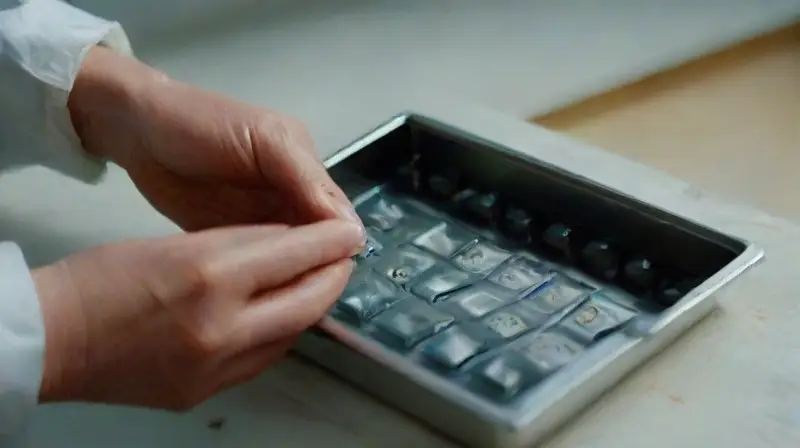
Overloading autoclaves can prevent proper steam penetration, resulting in incomplete sterilization. Ensuring correct load size and placement allows for uniform exposure to sterilizing conditions. Regular staff training aids in adherence to these guidelines.
Malfunctioning equipment, such as faulty temperature controls or pressure gauges, can compromise sterilization cycles. Regular maintenance and calibration of sterilizers are essential to avoid failure of the process. Keeping a maintenance log helps track service and reduces downtime.
Additionally, improper handling and storage of sterilized tools can introduce contamination. Using sterile storage containers and handling tools with clean gloves minimizes recontamination risk. Maintaining strict protocols across all stages of sterilization is vital for success.
Regulatory standards and guidelines
Health authorities and industry organizations provide regulations and guidelines to ensure sterilization quality. Adherence to these standards helps prevent legal issues and demonstrates commitment to client safety. Staying updated with current regulations is a fundamental responsibility for shop owners.
Implementing recommended practices involves regular staff training, proper equipment calibration, and validation of sterilization cycles. Inspections by regulatory bodies often include review of sterilization logs and testing procedures. Compliance not only reduces risks but also enhances the shop’s reputation.
Routine audits and self-assessment help identify gaps in procedures and promote continuous improvement. Developing standard operating procedures aligned with official standards ensures consistency and reliability in sterilization practices.
Conclusion
Monitoring sterilization efficacy in body art shops is an essential component of ensuring client safety and maintaining professional standards. Regular testing, proper staff training, and strict adherence to guidelines form the basis of an effective sterilization program. By implementing comprehensive quality control measures, shops can prevent infections and build trust with their clients.
Ultimately, a proactive approach to sterilization monitoring not only safeguards health but also enhances the reputation and credibility of body art establishments. Commitment to best practices demonstrates a responsible attitude toward health and safety, fostering a safe environment for both clients and professionals.