
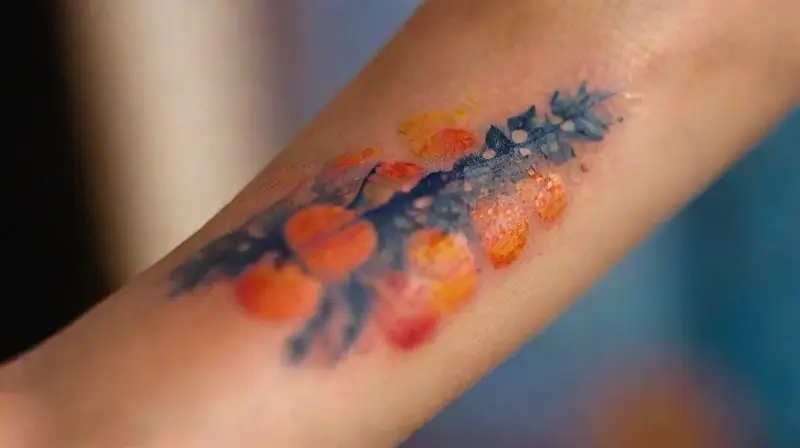
Festival seasons are a time of celebration, self-expression, and unique fashion statements. Many individuals choose to showcase their creativity through tattoos during these lively gatherings. However, it is crucial to prioritize safety when getting inked to avoid complications and ensure a positive experience.
Understanding the importance of proper hygiene and professional standards can help prevent infections and other health issues. Preparing adequately before your appointment and knowing how to care for your tattoo afterward are essential steps to enjoy your new body art responsibly.
Choosing a Reputable Tattoo Artist
Selecting a licensed and experienced artist is fundamental to ensuring your safety. Researching reviews and visiting studios beforehand can help verify their standards of cleanliness and professionalism.
Ask about the sterilization procedures used for tools and inquire whether they follow proper health regulations. A trustworthy artist will be transparent and willing to answer your questions, helping you feel more confident in their expertise.
Ensure that the studio uses single-use needles and disposable gloves for each client. Such precautions are vital in minimizing infection risks and maintaining a sterile environment.
Additionally, observe the cleanliness of the workspace. A tidy, well-maintained studio indicates adherence to hygiene protocols and professionalism, giving you peace of mind during your tattoo session.
Preparing for Your Tattoo Session
Prior to your appointment, get a good rest and stay well-hydrated. Proper preparation can enhance your comfort during the procedure and aid in faster healing.
Avoid alcohol and blood-thinning medications a few days before getting inked. These substances can increase bleeding and complicate the tattooing process, so it’s best to consult your doctor if unsure.
Wear comfortable, loose clothing that gives access to the area being tattooed. Clear communication with your artist about your pain thresholds and expectations also contributes to a smoother experience.
Having a light meal before your session can prevent dizziness or lightheadedness. Remember to bring any necessary identification and your health information, especially if you have allergies or skin sensitivities.
During the Tattoo Process

Stay relaxed and communicate with your tattooist throughout the procedure. If you experience excessive discomfort, informing the artist can lead to adjustments that improve your experience.
The tattoo artist should use new sterile equipment and maintain a clean workspace. Observing their adherence to hygiene standards can reassure you of your safety.
It’s normal to feel some discomfort, but if the pain becomes unbearable, discuss options like breaks or numbing agents. Your comfort should always be a priority during the session.
Use the time productively by asking the artist questions about aftercare or seeking clarification on the tattoo’s details. This helps ensure you’re well-informed about the next steps towards proper healing.
Aftercare Tips
Proper aftercare is vital to prevent infection and promote optimal healing of your tattoo. Follow the artist’s instructions meticulously regarding washing, moisturizing, and protecting the skin.
Keep the tattooed area clean by gentle washing with mild, fragrance-free soap. Avoid scrubbing or using harsh chemicals that can irritate the skin or damage the ink.
Apply a trusted ointment or moisturizer as recommended, and avoid exposing the new tattoo to direct sunlight or soaking it in water for extended periods. Proper hydration and protection will help maintain the vibrancy of your tattoo and prevent complications.
Monitor the tattoo for signs of infection, such as excessive redness, swelling, or pus. Promptly consult a healthcare professional if any unusual symptoms develop.
Recognizing Signs of Infection

Although rare when proper hygiene practices are followed, infections can occur and require immediate attention. Be vigilant for persistent redness or warmth around the tattooed area.
F ever or swelling that worsens instead of improves could indicate an underlying infection. Pus, foul odor, or unmanageable pain are signs that you need to seek medical advice.
Infections can be prevented by keeping the tattoo clean and dry, and avoiding picking at scabs or peeling skin. If in doubt, a healthcare professional can provide appropriate treatment to prevent further complications.
Long-Term Tattoo Safety
Maintaining your tattoo involves ongoing sun Protection. UV exposure can fade ink and damage the skin, so always apply high-SPF sunscreen when outdoors.
Hydrating your skin regularly and avoiding abrasive skincare products help preserve the vibrancy of your tattoo. Proper skincare routines also support the overall health of the skin in the tattooed area.
If you notice any changes in your tattoo’s appearance, such as discoloration, blurring, or raised patches, consult a dermatologist. Early intervention can prevent more serious issues and ensure your tattoo remains beautiful and safe.
Conclusion
Festival-season tattoos can be a wonderful form of self-expression, but ensuring safety is fundamental. Doing research and choosing a reputable artist sets the foundation for a safe and enjoyable experience.
Following proper aftercare and hygiene practices will protect your health and help your new tattoo heal beautifully. Prioritizing safety can turn your body art into a source of pride and confidence during the celebrations.

