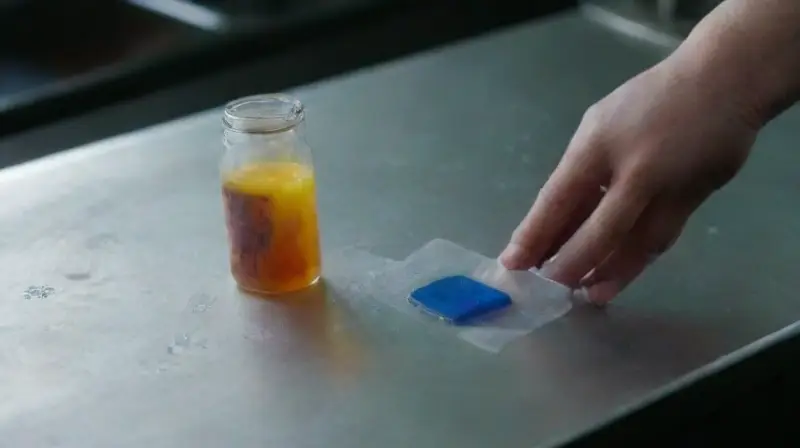
Ensuring the proper sterilization of tattoo ink and supplies is crucial for safety and the prevention of infections. Tattoo artists and enthusiasts must understand the importance of maintaining a sterile environment to protect both themselves and their clients from health risks. Proper sterilization techniques help eliminate bacteria, viruses, and other pathogens that could cause complications.
In addition, using sterilized equipment not only promotes a safe work environment but also upholds the professionalism and reputation of tattoo artists. With the rise in demand for tattoos, it becomes increasingly important to follow best practices for sterilization. This guide aims to provide comprehensive information on how to effectively sterilize tattoo ink and tools.
Understanding the importance of sterilization
Sterilization is a process that destroys all forms of microorganisms, including bacteria, fungi, and viruses. In the context of tattooing, it is essential to prevent cross-contamination and infection transmission. Failing to properly sterilize supplies can lead to serious health issues for clients and artists alike.
The risks associated with unsterilized equipment are significant. Bloodborne pathogens such as HIV and hepatitis can spread through contaminated tools or ink. Therefore, understanding the importance of sterilization is the first step toward implementing safe tattooing practices.
Sterilized supplies also ensure that the tattoo remains clean and vibrant. Contaminants on ink or needles can compromise the quality of the artwork and cause adverse skin reactions. Proper sterilization protocols help maintain the integrity of both the tattoo and the client’s health.
Types of sterilization methods
There are several methods available to sterilize tattoo equipment effectively. Autoclaving, also known as steam sterilization, is considered the gold standard within the industry. It uses high-pressure saturated steam to eliminate microorganisms and spores.
Chemical sterilizers are another option, especially for items that cannot withstand high heat. These involve immersing tools in chemical solutions designed to kill pathogens. It is important to follow manufacturer instructions carefully to ensure efficacy.
Another method includes cold sterilization involving the use of gas or other chemicals, suitable for delicate instruments. While less common, these techniques can be effective when used correctly. Choosing the best sterilization method depends on the type of supplies and the context of tattooing procedures.
Preparing tattoo ink for sterilization
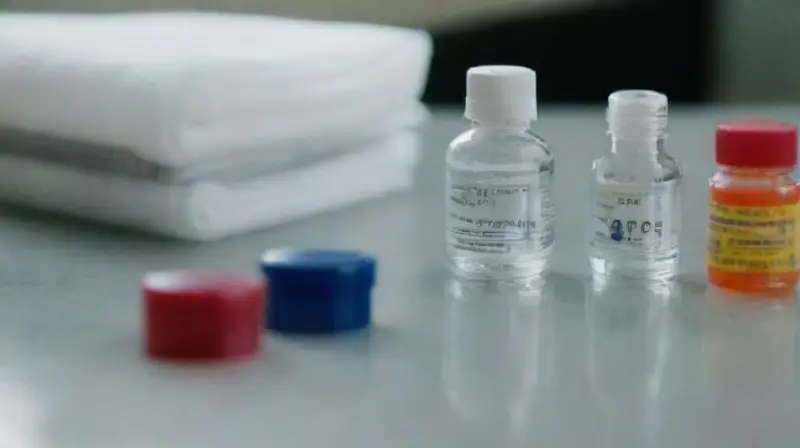
Tattoo ink must be handled carefully to ensure safety and quality. Before sterilizing, ink bottles should be thoroughly cleaned to remove any debris or contaminants. It is advisable to pour ink onto disposable, sterile mixing surfaces, avoiding contact with non-sterile areas.
Using single-use, sterile containers for ink helps prevent cross-contamination between clients. If reusing ink containers, they must be properly cleaned and sterilized according to recommended procedures. This reduces the risk of microbial growth.
In some cases, sterilizing the ink itself can involve autoclaving small, heat-resistant bottles. However, many inks are best used as packaged, sterile products. Proper handling and storage are key to maintaining ink sterility and ensuring safe tattooing practices.
Cleaning tools before sterilization
Prior to sterilization, all tattoo tools must be meticulously cleaned. Removal of visible residue including ink, blood, and skin debris is essential for effective sterilization. Use of disinfectant solutions and brushes can help clear away contaminants.
Subsequently, tools should be rinsed with clean water to eliminate any remaining cleaning agents which might interfere with sterilization. Proper handling to prevent re-contamination during this process is vital.
After cleaning, drying tools thoroughly is necessary because moisture can hinder the sterilization process. Using sterile towels or air drying in a clean environment minimizes the risk of microbial growth. Clean, dry equipment ensures that sterilization will be effective and reliable.
Autoclaving tattoo supplies
Autoclaving is the most trusted method for sterilizing tattoo tools like needles, grips, and tubes. To autoclave, equipment must be placed in sterilization pouches or containers designed for autoclaving. Do not overcrowd the autoclave chamber to allow thorough sterilization.
Set the autoclave to the recommended temperature and time according to the manufacturer’s instructions—usually around 121°C for 15-20 minutes. Proper sealing of pouches ensures that microorganisms are kept out after sterilization.
Once the cycle is complete, tools should be handled with sterile gloves and stored in a dry, sterile environment. Regular maintenance of the autoclave is necessary to keep it functioning effectively. Autoclaving significantly reduces the risk of infection transmission during tattoo procedures.
Chemical sterilization techniques
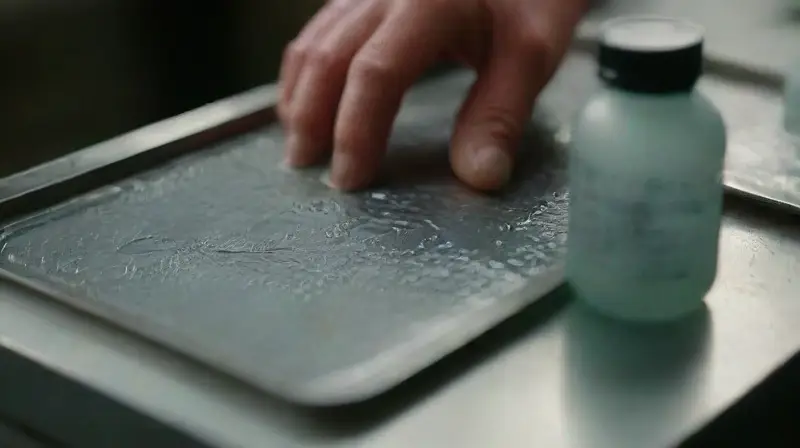
Chemical sterilization is often used for delicate instruments that cannot withstand heat. Submerging tools in chemical agents, such as glutaraldehyde or formaldehyde solutions, can effectively eliminate microorganisms. The agent’s concentration and immersion time are critical factors for success.
Tools must be completely covered by the chemical solution and left for the duration specified by the manufacturer, often between 10 to 30 minutes. After sterilization, rinsing with sterile water can remove chemical residues that might irritate the skin.
Store tools in sterile, sealed containers after chemical sterilization to prevent recontamination. It is important to follow safety precautions when handling chemical sterilizers, including wearing gloves and working in well-ventilated areas. This method provides an effective alternative to heat sterilization when necessary.
Maintaining a sterile environment
Creating and maintaining a sterile work environment is essential for professional tattooing. This includes disinfecting all surfaces, equipment, and hands regularly with approved disinfectants. Air filtration systems can also help reduce airborne contaminants.
Using disposable protective gear such as gloves, masks, and aprons further protects both client and artist from germs. Proper disposal of used needles and contaminated towels minimizes health hazards.
Training staff in sterilization procedures ensures consistent practices. Routine audits and cleanliness checks contribute to a safer, more professional setting. A sterile environment not only protects health but also increases client trust and satisfaction.
Conclusion
Sterilizing tattoo ink and supplies is an indispensable part of safe tattooing practices. By understanding and applying proper sterilization methods such as autoclaving, chemical sterilization, and surface disinfection, artists can significantly reduce health risks.
Maintaining a clean and sterile workspace not only safeguards the well-being of clients but also enhances the reputation of tattoo professionals. Consistent adherence to sterilization protocols is essential for the delivery of safe, high-quality tattoo services.