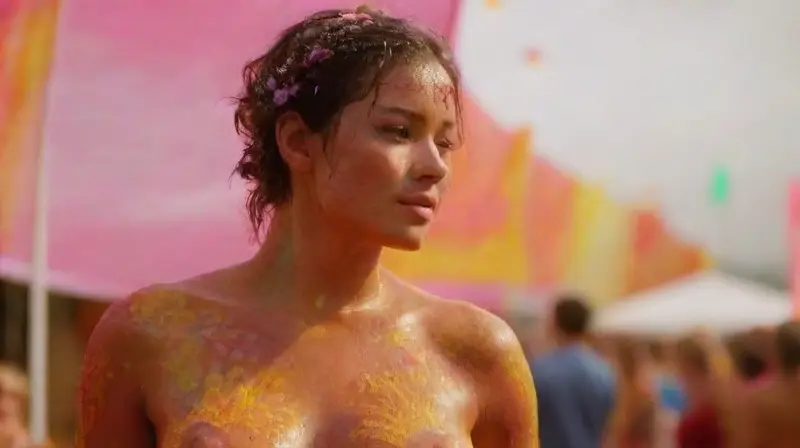
Festival body art is a remarkable form of expression that transforms the human body into a vibrant canvas. It allows individuals to showcase their personality, creativity, and cultural heritage through intricate designs and vivid colors. This art form enhances the festive atmosphere, making each celebration more lively and memorable. Many people see body art as not just decoration but as a meaningful statement during special events.
Over the years, festival body art has evolved into a celebrated tradition across cultures worldwide. Artists and enthusiasts alike invest hours in designing and applying temporary or permanent artwork to celebrate a shared sense of community. The appeal lies in its ability to blend artistry with personal stories, making each piece unique and captivating. It’s both an art form and a form of festival participation that enriches the experience for everyone involved.
History of Festival Body Art
The tradition of body art during festivals dates back thousands of years, with roots in ancient customs and rituals. Indigenous tribes of Africa, the Pacific Islands, and South America used body paint and tattoos to denote status, spiritual beliefs, and participation in rites of passage. These early artworks had deep meanings and often involved symbolic patterns that conveyed stories or spiritual protection.
Throughout history, festival body art served as a visual language, connecting participants with their heritage and community. As societies evolved, so did the styles and techniques, incorporating new materials and ideas. Despite changes over time, the core purpose remained the same: to celebrate identity, invoke blessings, and create a sense of unity among festival-goers.
Modern Techniques in Body Art
Today, the artistry of festival body art encompasses a range of techniques from traditional painting to modern digital design. Artists use vibrant paints, glitters, and applicators to craft detailed and eye-catching patterns. Some prefer temporary airbrushing, which allows for smooth gradients and quick application, ideal for large-scale designs that need to be removed afterward.
Prosthetics, rhinestones, and metallic foils have also become popular, adding dimension and sparkle to the artwork. Innovative techniques, including UV-reactive paint, glow under blacklights, creating stunning visual effects during nighttime festivities. The versatility of modern materials enables artists to experiment and produce unforgettable body art pieces for various festival themes.
Cultural Significance
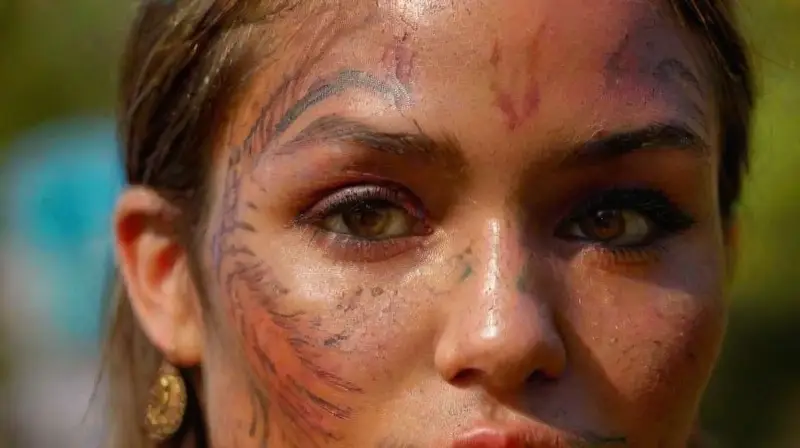
Festival body art often reflects cultural identity, allowing communities to express their unique traditions and stories. These designs may during celebrations highlight symbols representing heritage, mythology, or spiritual beliefs. Engaging in body art becomes a mode of preserving and passing down cultural values across generations.
In many cultures, body art during festivals is a sacred practice, symbolizing protection and blessings for participants. It fosters a sense of belonging and pride among members, strengthening community bonds. The celebration through body art thus acts as a bridge connecting the past with the present.
Design Inspirations
Inspirations for festival body art are vast and diverse, ranging from nature motifs like flowers, animals, and landscapes to abstract geometric patterns. Artists often draw upon traditional designs while adding their unique modern twist, resulting in a fusion of old and new styles. Themes related to the specific festival often guide the creative process, ensuring relevance and vibrancy.
Colors play a crucial role in designing impactful body art, with bold, contrasting combinations capturing attention and conveying emotions. Many artists incorporate elements like feathers, beads, and fabrics to enhance visual appeal. The goal is to craft mesmerizing artwork that not only fits the festival theme but also allows the wearer to shine.
Popular Materials Used
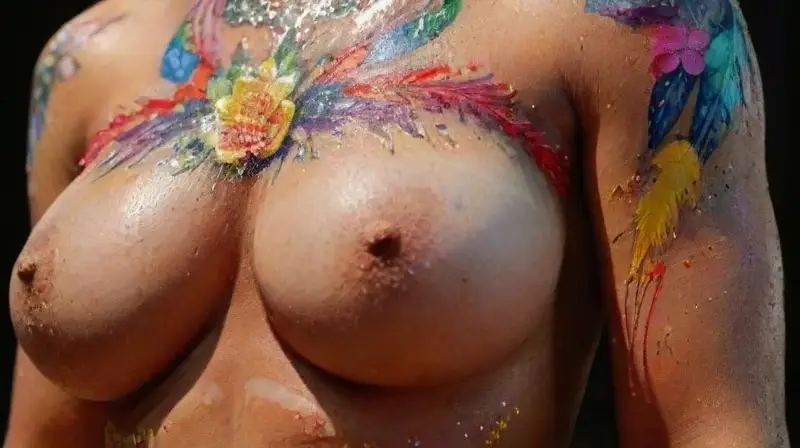
The primary materials used in festival body art include non-toxic face and body paints, which are safe for skin. These paints come in a spectrum of colors and finishes, from matte to metallic, providing flexibility for different designs. Glitter and rhinestones add sparkle and dimensionality, making artwork stand out on stage or parade.
Stencils and brushes aid in creating precise patterns, especially for intricate designs. Temporary tattoo stickers are also popular for quick application and removal, perfect for transient festival celebrations. The use of eco-friendly and hypoallergenic materials has increased, aligning body art with sustainability and safety standards.
Tips for Creating Stunning Festival Body Art
Achieving striking festival body art requires careful planning and attention to detail. Start by choosing a design that complements your outfit and personality, ensuring it aligns with the festival’s theme. Good skin preparation, such as cleaning and moisturizing, can improve paint adhesion and longevity.
Using high-quality materials and tools is essential to produce professional-looking artwork. Practice your design beforehand to prevent mistakes and build confidence in your skills. Lastly, consider the wear and tear, selecting materials that will withstand festival activities while remaining comfortable and safe for the wearer.
Conclusion
Festival body art is a captivating blend of tradition and innovation, offering a unique avenue for self-expression and cultural celebration. It enhances the festive atmosphere and fosters a sense of community among participants, creating lasting memories. Whether traditional or contemporary, this form of art continuously evolves, inspiring new generations of artists and festival lovers alike.
Embracing body art during festivals allows individuals to showcase their creativity and cultural pride in a vibrant and memorable way. As an integral part of many celebrations worldwide, it keeps alive ancient traditions while embracing modern artistic techniques. The colors, designs, and stories told through body art will undoubtedly continue to enrich festival experiences for years to come.