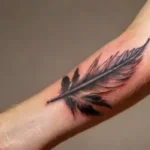
In recent years, body art has evolved far beyond traditional tattoos and paintings. One of the most exciting innovations is ultraviolet (UV) reactive ink, which glows vividly under UV light or blacklights. This trend is transforming the way people express themselves artistically on their skin, offering a dynamic and eye-catching experience. The novelty of UV body art lies in its ability to appear invisible in normal lighting but burst into vibrant colors when illuminated by UV rays.
This form of artistic expression appeals to both dancers, performers, and fashion enthusiasts eager to stand out in nightlife scenes. Its versatility allows for intricate designs that can be hidden or revealed depending on the lighting environment. As the popularity of glow-in-the-dark aesthetics grows, so does the creativity behind its application, making UV reactive body art a captivating trend to watch.
What Is UV Reactive Body Art?
UV reactive body art involves the use of specialized inks that react under ultraviolet light. These inks are formulated with fluorescent compounds that absorb UV light and emit visible light, creating a glowing effect. When applied on the skin, the art remains invisible or subtle in normal daylight but transforms under UV illumination.
The process of creating UV body art is similar to traditional body paintings, but with added precautions. Artists prepare the skin by cleaning and sometimes applying a base layer of primer to ensure adhesion. The designs can range from simple symbols to complex, multi-layered compositions that showcase luminous colors and textures.
This type of body art is temporary, often lasting a few days to weeks depending on the type of ink and skin care. It’s popular for concerts, festivals, photoshoots, or any occasion where a glowing aesthetic adds to the ambiance. The safety and quality of UV inks are essential, making professional applications highly recommended for vibrant and secure results.
Materials Used in UV Body Art
The core component of UV body art is the fluorescent ink or paint, which contains UV-sensitive pigments. These pigments are specifically engineered to emit light when exposed to ultraviolet radiation, creating the signature glow. Many professional-grade inks are formulated to be non-toxic and skin-safe, ensuring safety for the wearer.
Alongside the UV-reactive inks, artists may use brushes, sponges, airbrushes, or stencils to craft detailed designs. Some artists also incorporate embellishments like glitter or rhinestones that complement the glow effect. When selecting materials, quality and safety are paramount to prevent allergic reactions or skin irritation.
Some special effects involve layering different colors or textures, which can add depth and dimension to the art. The versatility of these materials allows for both intricate patterns and bold, striking visuals. As the technology advances, new formulations and methods continue to expand the possibilities for UV reactive body art.
Techniques for Applying UV Body Art
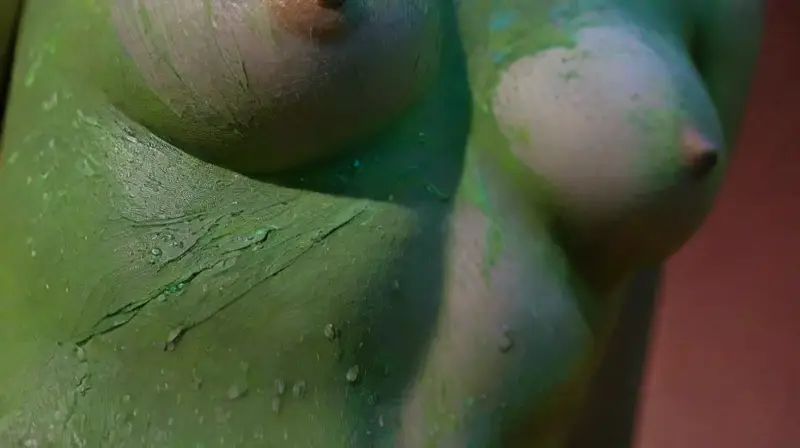
Creating stunning UV reactive designs requires a combination of skill and the right technique. Artists often start with a detailed sketch or stencil to outline the design on the skin. Using fine brushes or airbrushes, they carefully apply the fluorescent ink to ensure precision and vibrant coverage.
Layering is a common technique to build contrast and depth, with some areas highlighted with brighter or different colors. Many artists prefer to work in a controlled environment with UV lighting to check their progress and the overall effect. Detail work and shading help bring the design to life under UV illumination.
The drying process is vital for durability and appearance. Some inks dry quickly, allowing for multiple layers to be added in succession, while others may require longer setting times. After completing the design, a clear sealant or fixer spray can be applied to enhance longevity and prevent smudging or fading.
Popular Styles and Designs
UV body art can range from simple symbols to elaborate murals, depending on the artist’s vision. Popular styles include tribal motifs, floral patterns, geometric shapes, and abstract art. Many designs incorporate elements that look ordinary in daylight but reveal vibrant details under UV light.
Themes often align with nightlife, music festivals, or themed parties where glowing effects add excitement. Some individuals opt for personalized designs like initials, zodiac signs, or custom artworks that showcase their personality under UV illumination. The transformative nature of the art allows for unpredictable and mesmerizing effects.
Artists are continually pushing boundaries with blending techniques, layering colors, and integrating other body art forms like jewelry or accessories. The flexibility of UV reactive inks offers endless opportunities for creativity, making each piece unique and tailored to the wearer’s style.
Safety and Precautions
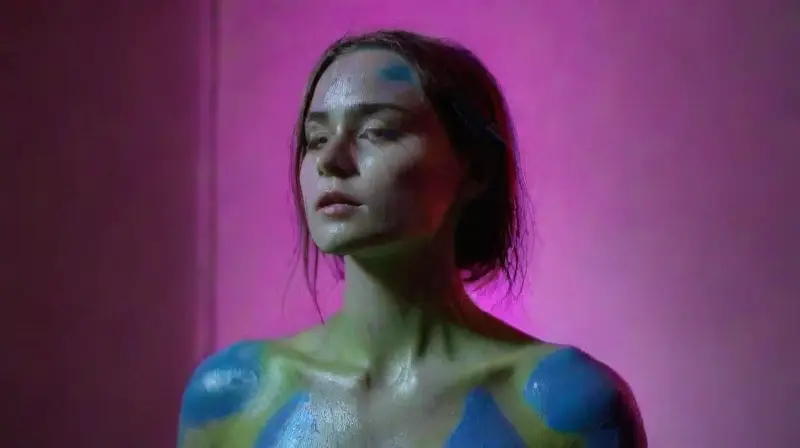
While UV body art offers spectacular visual effects, safety considerations are crucial. Not all UV inks are created equal, and some may contain ingredients that could cause allergic reactions or skin irritation. Choosing professional and skin-safe products is essential to prevent adverse effects.
Proper application by trained artists also helps maintain safety standards. It’s recommended to perform a patch test before applying large or extensive designs. Additionally, users should avoid exposing UV-reactive body art to excessive sunlight or harsh chemicals to preserve the glow and prevent skin irritation.
Post-application care involves gentle cleansing and avoiding abrasive scrubs, which can damage the artwork or irritate sensitive skin. Knowing the limitations and proper maintenance tips ensures that the glow-in-the-dark designs remain vibrant and safe for prolonged wear and enjoyment.
The Rising Popularity and Future Trends
The popularity of UV reactive body art continues to grow, especially among younger generations seeking innovative ways to express themselves. Events like music festivals, fashion shows, and themed parties have embraced glow-in-the-dark aesthetics, making it mainstream in certain subcultures. Social media platforms also amplify the trend, showcasing stunning artwork that inspires others to explore UV art.
Emerging technologies and improved formulations promise even more vivid, long-lasting, and skin-friendly inks. Future trends might include interactive designs, augmented reality integrations, or custom glow effects tailored to individual preferences. As artists experiment with new mediums and techniques, UV reactive body art could become an essential part of the broader body modification culture.
Moreover, collaborations between artists, designers, and tech innovators are likely to push the boundaries of what UV body art can achieve. The combination of safety, sustainability, and sophistication will help expand its acceptance and accessibility. The glow-in-the-dark trend is set to continue evolving, captivating audiences and creators worldwide.
Conclusion
UV reactive body art is a captivating trend that combines creativity, technology, and self-expression in a way that mesmerizes audiences. Its ability to transform ordinary designs into luminous masterpieces under UV light has made it a popular choice for events, photography, and individual experimentation. As the materials and techniques improve, the potential for innovative and safe body art continues to grow.
This trend reflects a broader desire for unique, eye-catching forms of artistic expression that can be both temporary and impactful. Whether for entertainment or personal symbolism, UV body art offers endless possibilities for those willing to explore its vibrant and luminous world. As it evolves, it will remain a dazzling facet of modern body art culture.