Tribal tattoos have a long-standing history rooted in various indigenous cultures around the world. They often symbolize identity, heritage, and social status within a community. Choosing the right placement for these tattoos is crucial to honor their cultural significance while showcasing their intricate designs effectively.
Many individuals opt for tribal tattoos to connect with a specific heritage or to pay homage to their ancestry. The placement of these tattoos not only influences their visual appeal but also affects how comfortably they can be displayed or concealed in different settings. Understanding the best options for placement can enhance both the aesthetic and meaningful value of the tattoo.
Arm and Shoulder Placement
The arm and shoulder are among the most popular locations for tribal tattoos due to their versatility. A tribal design on the upper arm can easily wrap around the bicep, creating a dynamic visual impact. It also allows for a larger canvas, accommodating intricate details that are essential to many tribal patterns.
For those looking to showcase their tattoo, placing it on the shoulder or upper arm offers visibility. Conversely, these areas can be easily covered with clothing in formal or professional settings. This flexibility makes the arm and shoulder a preferred choice for many seeking both cultural significance and practicality.
Additionally, the forearm provides a prominent space that can display bold lines and patterns. It’s an ideal location for designs that you may want to see regularly. The natural contours of the arm can enhance the overall flow of the tribal artwork, making it visually striking.
Back Placement
The back offers a vast, unobstructed space perfect for large and elaborate tribal tattoos. Because of its size, it allows for expansive designs that can span from the shoulders down to the lower back. This placement is especially suitable for those who want a statement piece rooted in cultural symbolism.
A back tattoo can be a personal and private choice, as it is easily covered with clothing. This makes it appealing for individuals who want to keep their tribal art intimate or display it only on special occasions. It also provides an excellent canvas for symmetrical or sprawling designs.
Moreover, the back’s flat surface allows tattoo artists to incorporate complex patterns with precise detail. The space also offers the ability to add additional elements later on, which can be integrated seamlessly into the initial design, respecting traditional artistic styles.
Chest and Rib Placement
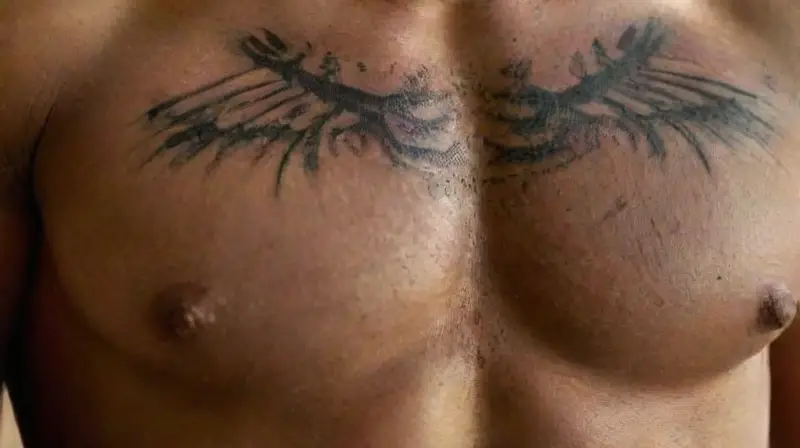
The chest and rib area are prominent locations for tribal tattoos, often chosen for their bold visual impact. A chest tattoo can extend across the pectoral muscles, emphasizing strength and masculinity, while rib tattoos tend to be more discreet, hidden under clothing.
This placement is ideal for meaningful tribal symbols, as it puts the design close to the heart. It signifies personal pride and a deep connection to cultural roots. The curvature of the ribs can also give tribal patterns a flowing, dynamic quality.
However, the chest and ribs are more sensitive areas, making the tattooing process more painful. Proper aftercare is essential, especially since these areas are prone to movement and friction. Nonetheless, the striking look of tribal patterns in these regions often outweighs the discomfort for many enthusiasts.
Leg and Thigh Placement
Leg and thigh placements are popular for their versatility and ability to showcase intricate tribal designs. Thigh tattoos can be large and detailed, wrapping around the leg for a 3D effect. They also are less visible in everyday attire, offering some privacy.
The calves and shins also provide excellent spaces for tribal tattoos, particularly those with vertical or elongated elements. These areas can emphasize the strength and symmetry of tribal patterns, making the tattoo a statement piece.
Further, placing tribal designs on the legs allows for a gradual reveal or concealment depending on the person’s clothing choices. It’s an excellent option for those who want a culturally meaningful tattoo with a balance of visibility and discretion.
Neck and Head Placement
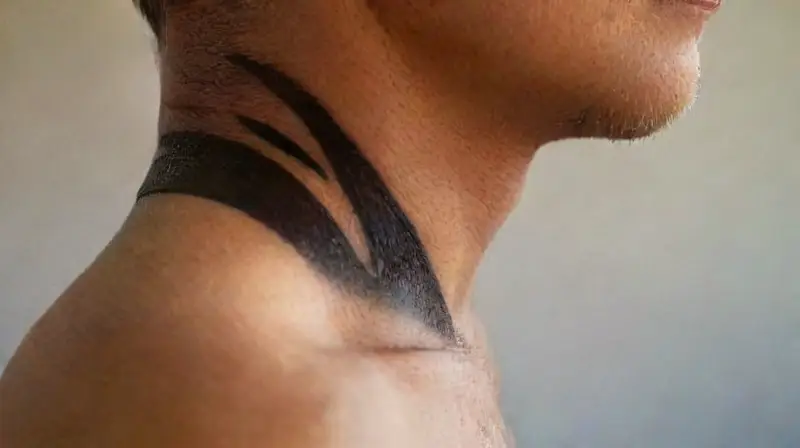
For a truly bold statement, some opt for tribal tattoos on the neck or head. These areas are highly visible and often reserved for individuals who want their cultural expression to stand out. Neck tattoos can extend from the collarbone up to the jawline or behind the ears, accentuating facial features.
Head tattoos, including designs on the scalp or the side of the head, are less common but equally impactful. They often symbolize dedication to cultural roots or personal transformation through their permanent visibility.
Due to the sensitive and exposed nature of these areas, neck and head tattoos require careful consideration. They may not be suitable for every environment, but when chosen thoughtfully, they become powerful symbols of identity and tradition.
Hand and Finger Placement
Hands and fingers are popular locations for tribal tattoos due to their high visibility. These tattoos can be small and subtle or bold and elaborate, depending on personal preference. They often serve as everyday symbols of cultural identity.
The tight space on fingers and hands challenges tattoo artists to craft detailed designs within a limited area. Despite limitations, many tribal patterns adapt uniquely to these smaller surfaces, creating distinctive and symbolic motifs.
Because these areas are prone to fading and require frequent touch-ups, they demand a high level of care. However, their prominent placement ensures the tattoo remains in constant view, making them ideal for those wanting to celebrate their cultural heritage openly.
Conclusion
Choosing the right placement for a tribal tattoo is essential to honor its cultural significance while maximizing its visual impact. Each area of the body offers unique advantages and challenges, from the expansive back to the intimate finger designs.
Ultimately, the placement should reflect personal meaning and lifestyle, allowing the individual to express their cultural identity proudly. Thoughtful selection ensures the tattoo remains a cherished symbol of heritage and tradition for years to come.