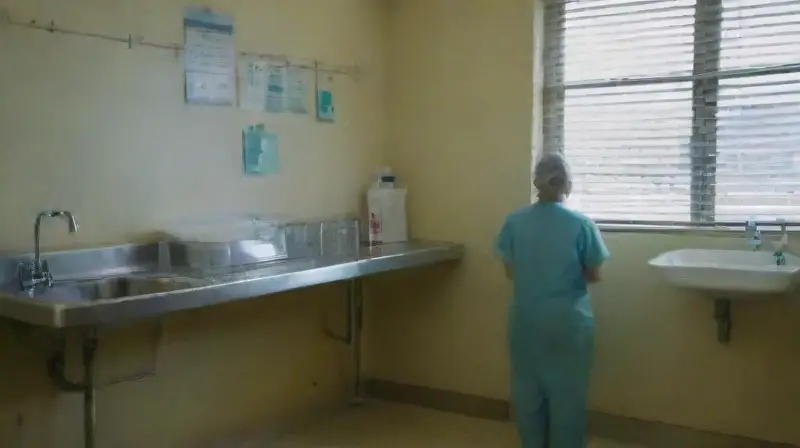
Ensuring that staff are thoroughly trained in sterilization protocols is critical for maintaining a safe and hygienic environment in healthcare and laboratory settings. Proper training minimizes the risk of infection transmission and safeguards both workers and patients. It is essential that each team member understands the procedures and follows best practices consistently.
Inadequate training can lead to lapses in sterilization, exposing individuals to potential health hazards. Regular updates and refresher courses are vital to keep staff informed about the latest standards and technologies. Investing in comprehensive education helps create a culture of safety and accountability within the organization.
Importance of Proper Sterilization
Sterilization is a fundamental aspect of infection control that prevents the spread of pathogens. Proper procedures ensure that all equipment and surfaces are free from microbial contamination, which is especially important in sterile environments like hospitals and labs. Without strict adherence, the risk of healthcare-associated infections increases significantly.
The correct sterilization methods depend on the nature of the tools and materials used, requiring employees to understand different techniques such as autoclaving, chemical disinfection, and dry heat sterilization. Proper training guarantees that staff can select and implement the most effective method for each situation.
Understanding the importance of sterilization protocols helps staff appreciate their role in patient safety. This awareness promotes diligence and meticulous attention to detail during all procedures. Ultimately, this leads to a safer environment for everyone involved.
Types of Sterilization Methods
There are several traditional methods employed to achieve sterilization, each suited to specific materials and circumstances. Autoclaving, which uses pressurized steam, is one of the most common and effective techniques. Its proper operation relies on precise timing and temperature control, which staff must master.
Chemical sterilization involves chemicals like ethylene oxide or glutaraldehyde, suitable for heat-sensitive instruments. Staff need to understand the correct preparation, handling, and exposure times for these chemicals to ensure complete sterilization without hazards. Proper training minimizes chemical risks and ensures efficacy.
Dry heat sterilization is another method used for items that can withstand high temperatures over longer periods. It requires specialized equipment and adherence to specific parameters. Educating staff on the appropriate use of this method helps prevent damage to delicate items and guarantees sterilization success.
Standard Operating Procedures (SOPs)
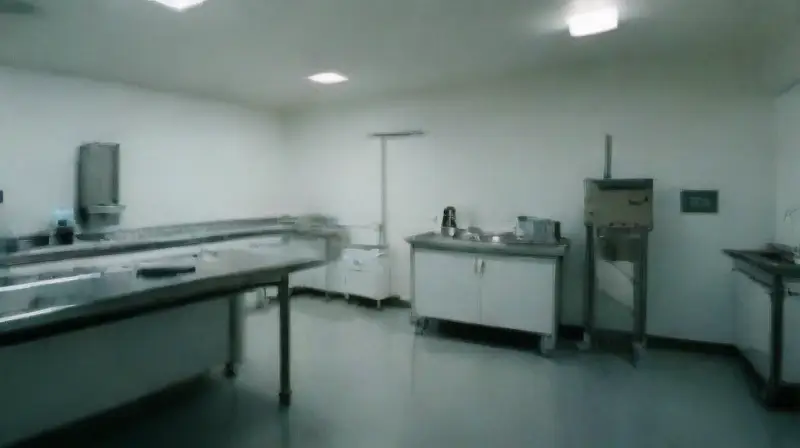
Developing clear Standard Operating Procedures (SOPs) is vital for consistent sterilization processes. These documents detail each step, from cleaning to sterilization and storage, providing a standardized approach. Training staff on SOPs ensures that procedures are followed uniformly across all personnel.
SOPs should be regularly reviewed and updated to incorporate new technologies and industry best practices. Training sessions should include practical demonstrations and assessments to reinforce understanding. Ensuring everyone is familiar with these protocols reduces variability and enhances safety.
Adherence to SOPs fosters accountability and minimizes errors during sterilization processes. When staff are well-versed in guidelines, the likelihood of lapses decreases, leading to more reliable outcomes. Consistent training on these procedures is key to maintaining high standards.
Equipment Management and Maintenance
Proper management of sterilization equipment is essential for effective sterilization. Staff must be trained to operate devices correctly and recognize signs of malfunction or wear. Regular maintenance and calibration are necessary to keep equipment functioning optimally.
Preventive maintenance should be part of routine training to avoid unexpected breakdowns. Staff need to understand how to perform basic troubleshooting and when to escalate issues. Well-maintained equipment ensures that sterilization processes meet safety standards.
Technical training on equipment use, maintenance, and troubleshooting minimizes downtime and prevents compromised sterilization. Keeping staff informed about equipment updates and best practices prolongs the lifespan of devices and enhances overall safety.
Personal Protective Equipment (PPE)
Using the right personal protective equipment (PPE) is a crucial aspect of sterilization training. PPE such as gloves, masks, aprons, and eye protection shields staff from exposure to chemicals and infectious agents. Proper use of PPE is essential to maintain safety during sterilization activities.
Training should include instructions on correct donning and doffing procedures, as well as disposal or decontamination of PPE after use. This minimizes cross-contamination and environmental contamination risks. Reinforcing PPE protocols regularly keeps safety at the forefront.
Understanding when to wear specific PPE types and how to use them effectively should be integrated into routine training. A culture of safety depends on consistent PPE compliance, which protects both staff and the sterile environment.
Monitoring and Quality Control

Effective monitoring is vital to validate sterilization processes and ensure compliance with protocols. Staff must be trained to interpret sterilization indicators and understand the significance of biological, chemical, and physical indicators. This allows early detection of process failures.
Implementing regular quality control checks helps maintain high standards and identifies areas needing improvement. Training on documentation and record-keeping supports audit readiness and process validation. These practices build confidence in sterilization outcomes.
Continuous monitoring and quality assurance reinforce the importance of reliable sterilization. Well-trained personnel can troubleshoot issues promptly, preventing compromised procedures and ensuring patient and staff safety.
Record Keeping and Documentation
Meticulous record keeping is an integral part of sterilization procedures. Staff training should emphasize the importance of documenting every cycle, including dates, methods used, and results of monitoring tests. Accurate documentation facilitates traceability and accountability.
Proper records assist during audits, investigations, and quality assurance activities. Training staff on the correct way to fill out logs and reports ensures consistency and compliance with health regulations. It also helps identify trends or recurring issues.
Maintaining comprehensive records creates a transparent environment where sterilization processes are continuously evaluated. Proper documentation demonstrates a proactive approach to safety and supports organizational integrity.
Conclusion
Training staff in proper sterilization protocols is a vital component of maintaining a safe healthcare environment. When personnel are well-educated and uphold established procedures, the risk of infection spread diminishes significantly. Continuous education and reinforcement keep standards high and adapt to evolving best practices.
Investing in thorough and ongoing training not only benefits patient safety but also promotes a culture of responsibility and professionalism among staff. A well-trained team is equipped to handle challenges effectively and uphold the highest sterilization standards, fostering confidence among all stakeholders.