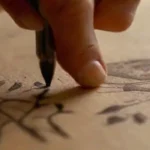
Historically, tattooing has been a craft passed down through generations of artisans. Guilds played a crucial role in preserving the traditions and standards of the trade. These organizations provided a structured environment for novice artists to learn from seasoned professionals.
Today, the structure of tattoo training continues to evolve, but the importance of mentorship remains central. Formal apprenticeships within guilds or dedicated programs ensure that new artists acquire essential skills and uphold the integrity of the art form.
The Role of Guilds in Preserving Tradition
Tattoo guilds historically served as custodians of craftsmanship, ensuring that skills were transmitted accurately through training. They established strict codes of conduct and quality standards that members had to follow. This consistency helped elevate the reputation of tattoo artists and the industry as a whole.
Guilds also organized ceremonies and ceremonies recognizing mastery, which reinforced the hierarchical nature of the craft. The collective identity fostered a sense of community among tattoo artists, preserving unique styles and techniques across generations.
Today, many of these guilds still operate, either formally or informally, maintaining traditions and offering guidance to newcomers. They serve as mentors and gatekeepers, ensuring that artistic and hygienic standards are upheld in modern tattoo practice.
The Apprenticeship Process
An apprenticeship typically begins with a rigorous selection process. Prospective apprentices showcase their interest and basic artistic skills before being accepted by a mentor or guild. The process often lasts several years, during which the apprentice learns various facets of the trade.
Throughout their training, apprentices observe and assist their mentors with tattooing, hygiene, and client interactions. They gradually take on more complex tasks, moving from shadowing to performing independent work under supervision.
This structured training emphasizes both technical prowess and professional ethics. The goal is to produce well-rounded artists who respect the history of tattooing while innovating within the craft.
Technical Skills Development

Mastering techniques is at the heart of any apprenticeship. Apprentices learn sketching and designing tattoos, understanding body anatomy to adapt their art to different areas. Precision in inking, color blending, and shading is cultivated over time.
Mentors often teach cleaning and maintenance of equipment, which is essential for hygiene and safety. They also emphasize troubleshooting issues such as ink bleeding or uneven lines, helping apprentices refine their control.
Practicing techniques on synthetic or animal skin allows apprentices to develop mastery before working on clients. Repetition and constructive criticism are vital for honing technical skills.
Artistic Development and Style Diversity
Within a guild or apprenticeship, artists are encouraged to develop their own style while respecting traditional motifs. Exposure to various genres broadens artistic expression and fosters creativity.
Mentors guide apprentices in exploring different styles, from classic tribal to modern realism. This diversity ensures a rich variety of artworks and helps uphold the guild’s reputation for innovation.
Encouraging individuality also benefits the industry by pushing boundaries and introducing fresh perspectives. It balances respect for tradition with the desire for artistic growth.
Ethical and Hygiene Standards
Maintaining hygienic practices is fundamental in tattooing to prevent infections. Apprentices learn sterilization protocols, including proper cleaning of all tools and equipment. They are taught to follow regulations established by health authorities.
Mentors stress the importance of customer safety and informed consent. This knowledge is integrated into everyday procedures to reinforce professionalism and trust.
Upholding ethics and hygiene standards protects both the client and the artist’s reputation. Continuous education and adherence to evolving standards are emphasized in modern tattoo training.
Cultural Significance and Respect
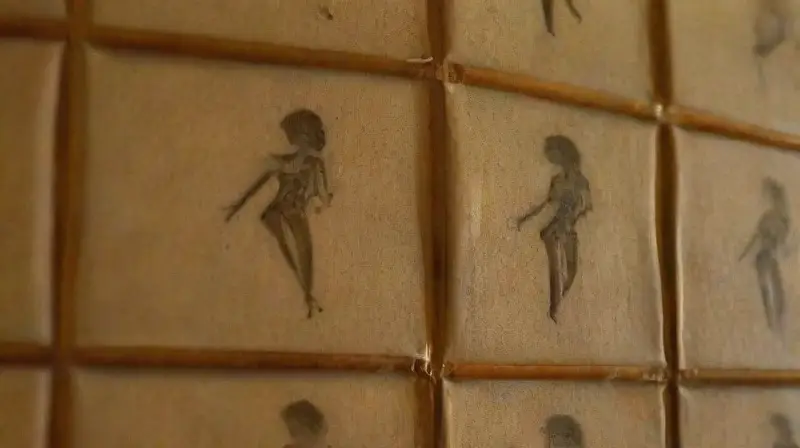
Tattooing is deeply rooted in cultural history across many societies. Apprentices are trained to appreciate the symbolism and cultural meanings behind various designs. Respect for tradition is considered essential to uphold the integrity of the craft.
Mentors often share stories and teachings from different cultures to foster understanding and respect. This knowledge helps apprentices become responsible ambassadors of the art form.
Recognizing the cultural significance of tattooing encourages ethics, respect, and sensitivity in artistic expression. It ensures that the heritage of tattooing is preserved and honored.
Modern Training Methods
While traditional apprenticeships remain prevalent, modern training incorporates digital tools such as design software and online resources. Workshops and seminars supplement hands-on learning.
Some programs now offer formal certifications, combining practical training with academic knowledge. These advances aim to improve standards and accessibility for aspiring tattoo artists.
Nevertheless, the core values of mentorship, technical mastery, and respect for tradition continue to underpin effective training in the modern age. Adapting to new technologies and approaches enhances the evolution of the craft.
Conclusion
Training and apprenticeships within tattoo guilds form the foundation of professional development in the art. They ensure the transmission of skills, values, and traditions that define the craft’s identity. Upholding rigorous standards through mentorship sustains the reputation of tattooing as both an art and a profession.
As the industry progresses, these structured pathways foster the growth of skilled artists who are committed to excellence and cultural respect. The enduring relevance of guild-based training underscores its vital role in shaping the future of tattooing worldwide.