Tattoos have played a significant role in the cultural history of many Pacific Islander societies. For centuries, these intricate body modifications served as symbols of identity, status, and spiritual beliefs. The art of tattooing was not merely decorative but deeply meaningful, often indicating a person’s social hierarchy or achievements within their community.
Across the vast expanse of the Pacific Ocean, islands such as Polynesia, Micronesia, and Melanesia developed unique tattooing techniques and styles. These practices helped preserve oral histories and cultural narratives, creating a sense of belonging and cultural continuity among islanders. The tradition of tattooing remains a vital aspect of their cultural heritage even today.
Historical Significance of Tattoos
In ancient Pacific societies, tattoos were regarded as symbols of adventure and bravery. For many, undergoing tattooing was a rite of passage that marked important milestones such as reaching adulthood or demonstrating valor in battle. The practice was often intertwined with spiritual rituals that sought protection or guidance from ancestors and deities.
Tattoo designs conveyed status and rank within the community. Chiefs and warriors bore intricate patterns that signified authority and prestige. These tattoos not only distinguished individuals but also reinforced social structure and cohesion. The visibility of tattoos often reflected a person’s role and responsibilities in society.
The preservation and transmission of cultural values were further embodied through specific motifs and symbols. Designs often depicted ancestral lineage, maritime navigation, and natural elements revered by the community. This visual language encapsulated collective history and spiritual beliefs, making tattoos a living form of cultural storytelling.
Techniques and Tools
Traditional Pacific tattooing employed various tools crafted from local materials such as bones, shells, and volcanic rocks. These devices were used to create permanent markings on the skin through repetitive punctures or cuts. The tools’ design and usage often varied from one island region to another, reflecting local customs and resources.
The tattooing process was both arduous and highly ritualized. In many societies, the act of tattooing was performed by specialized practitioners known as tatau or tattoo masters. These individuals possessed a deep understanding of symbolism and technique, and their role was considered sacred. The process was accompanied by chants and ceremonies to invoke spiritual protection.
Because of its intensity, tattooing often required multiple sessions, with the recipient enduring significant pain. Despite this, the community valued the resilience and commitment demonstrated through the process. These elaborate procedures contributed to the sacred nature of tattoos, setting them apart from mere decoration.
Symbolism and Design Elements

The designs used in Polynesian tattoos often incorporated motifs related to the natural world, such as waves, animals, and celestial symbols. These elements served to express individual identity as well as collective heritage. The patterns could be complex, covering large areas of the body to tell a personal story.
Certain symbols held specific meaning, like the Marquesan cross representing balance, or the tiki representing protection from harm. These motifs provided a form of visual language that communicated values, historical narratives, and spiritual beliefs. The arrangement and combination of designs indicated personal achievements or social status.
Many tattoos also incorporated geometric patterns that emphasized symmetry and harmony. The precision of these elements demonstrated not only artistic skill but also spiritual significance. The designs served both aesthetic and protective purposes, warding off evil spirits or ill fortune.
Cultural and Spiritual Roles
Tattoos in ancient Pacific societies often had profound spiritual significance. They were believed to imbue individuals with protection, strength, and spiritual power. The process of tattooing itself was seen as a sacred act that connected the physical body to ancestral and divine forces.
Beyond individual symbolism, tattoos reinforced community bonds and cultural identity. Wearing certain patterns signaled belonging and loyalty to one’s tribe or family group. They also played a role in rites of passage, marking transitions from one life stage to another with ceremonial importance.
In many cases, tattoos were regarded as sacred treasures passed down through generations. They embodied a connection to heritage, ensuring that stories and traditions persisted beyond individual lives. This spiritual and communal dimension made tattooing a revered cultural practice.
Modern Revival and Changing Perspectives
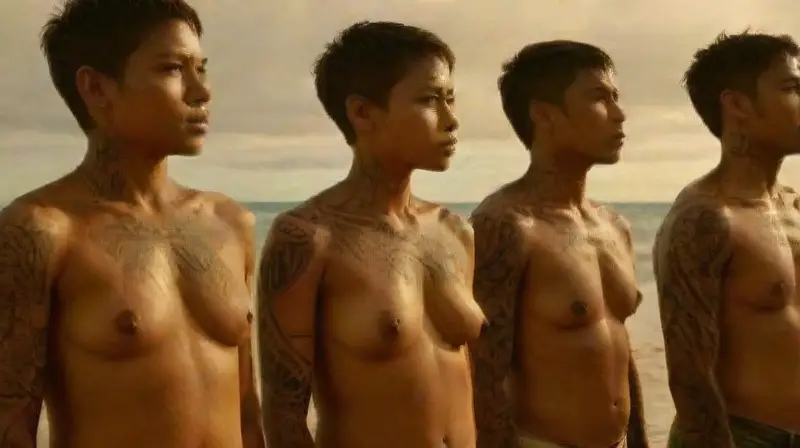
Today, there is a renewed interest among Pacific Islanders to revive and preserve their traditional tattooing practices. Many young people see tattoos as a way to reconnect with their heritage and celebrate their cultural identity. Modern tattoo artists are exploring traditional motifs, blending them with contemporary styles.
However, this revival faces challenges such as cultural appropriation and the loss of traditional knowledge. Efforts are being made to train new practitioners within communities and safeguard authentic techniques. Maintaining this cultural tradition is seen as essential to preserving the unique identities of Pacific Islander societies.
The discussion around modern tattooing also highlights issues of ownership and cultural respect. Many advocates emphasize the importance of understanding the historical significance of designs and approaching tattooing as a sacred practice, even in contemporary contexts. This ensures the cultural integrity remains intact.
Contemporary Significance of Traditional Tattoos
For many Pacific Islanders, traditional tattoos continue to symbolize pride and resilience. They serve as a visual reminder of cultural roots amidst rapid social changes. Many view tattooing as a way of reclaiming their history and asserting their unique identities on a global stage.
In addition, traditional tattoos have gained international recognition as a form of indigenous artistry and cultural expression. Exhibitions and cultural programs aim to educate broader audiences about their rich heritage. As such, tattoos have become a powerful message of cultural strength and continuity worldwide.
Despite evolving trends, the core values embedded in Pacific Islander tattooing practices remain relevant. They foster a sense of belonging and connection to ancestors, emphasizing that tattooing is much more than decoration—it is a cultural legacy. Preservation of these traditions ensures future generations continue to honor their unique identity.
Conclusion
Traditional tattooing practices are an integral part of Pacific Islander cultural identity and history. They reflect a rich heritage of storytelling, spiritual beliefs, and social structure, passed down through generations. The artistry involved in creating these tattoos embodies a respect for ancestral traditions and communal values.
As modern interest revives and preserves these practices, it is crucial to approach them with respect and understanding. Recognizing the deep significance behind each design helps maintain the integrity of this sacred tradition. Ultimately, tattoos continue to serve as powerful symbols of cultural pride and resilience for Pacific Islanders today.