

Experiencing piercing pain can be a challenging ordeal for many individuals. It often involves intense sensations that can cause both physical discomfort and emotional distress. Understanding how to effectively manage this pain is crucial for ensuring a smoother recovery process and minimizing trauma related to the procedure.
Support systems play a vital role in helping individuals cope with the discomfort associated with piercings. From emotional reassurance to practical advice, these networks provide essential resources that can make the healing journey more manageable. Recognizing the importance of a strong support system is key to promoting overall well-being during this time.
Emotional Support and Encouragement
A primary component of managing piercing pain is emotional support from friends, family, or professionals. When individuals feel encouraged and understood, their anxiety about the pain diminishes significantly. Providing empathetic listening and reassurance can motivate them to endure the discomfort more confidently.
Supportive words and actions help to validate feelings of distress, which are common during initial healing stages. This emotional encouragement can also foster resilience, making it easier to handle unexpected setbacks or increased pain levels. Having someone to share concerns with alleviates feelings of isolation often experienced during recovery.
Professional counseling or support groups specifically tailored for body modifications can also be beneficial. These platforms offer a safe space to discuss experiences with others who understand the emotional impact of piercings. Such interactions can bolster confidence and provide practical advice, easing emotional burdens.
Pain Management Techniques
Effective pain management strategies are essential for minimizing discomfort during and after piercing procedures. Many people find that applying cold compresses before or after the procedure helps reduce initial pain and swelling. Cooling the area numbs nerve endings temporarily, providing instant relief.
In addition, over-the-counter pain relievers like ibuprofen or acetaminophen can be used responsibly to alleviate moderate discomfort. It’s important to follow recommended dosages and consult professionals if necessary. These medications can help manage inflammation and reduce pain during the healing process.
Relaxation and breathing exercises are also vital tools for controlling pain perception. Techniques such as deep breathing or mindfulness meditation can distract the mind from the sensation of pain, decreasing its intensity. Incorporating these into the healing routine encourages a calmer experience overall.
Proper Aftercare and Hygiene
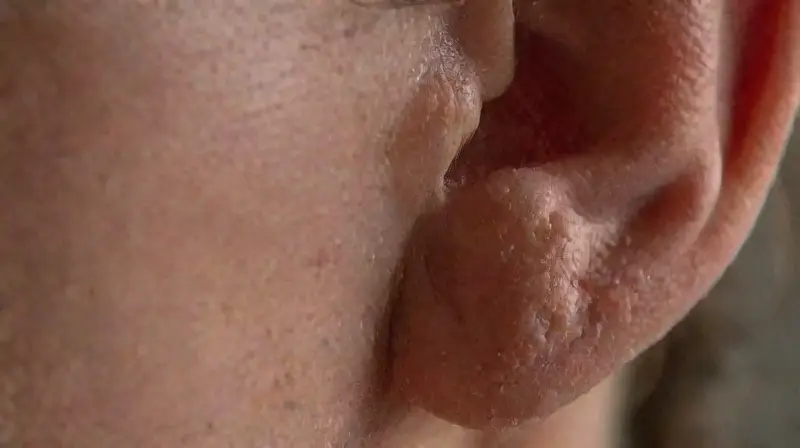
Maintaining good hygiene is critical in preventing infections and reducing pain during healing. Support systems can assist by providing guidance on cleaning routines and suitable products. Proper care ensures that the piercing heals without complications that could intensify the discomfort.
Using sterile saline solutions or recommended antiseptics helps keep the area clean and free of bacteria. Support networks can remind individuals to avoid touching or twisting the jewelry unnecessarily, which can aggravate pain and slow down recovery.
Involving loved ones or professionals in the aftercare process offers additional supervision and encouragement. Regular check-ins can identify signs of trouble early, allowing prompt intervention. This collective effort minimizes pain duration and promotes a smoother healing journey.
Managing Infection Risks
Infections are a significant cause of prolonged and intense pain during piercing recovery. Support systems can educate individuals on signs of infection, such as redness, swelling, or pus. Early detection and intervention are crucial for controlling complications and alleviating pain.
Encouraging adherence to hygiene protocols and follow-up appointments contributes significantly to infection prevention. Sharing practical advice on avoiding contaminated environments or products can empower individuals to take proactive steps.
In case an infection develops, prompt support from professionals ensures appropriate treatment. Antibiotics or other interventions can swiftly reduce inflammation and pain. Preventing infection not only shortens recovery time but also prevents additional physical and emotional suffering.
Dealing with Complications and Setbacks
Unexpected complications, such as allergies, keloids, or rejection of the jewelry, can lead to increased pain and frustration. Support networks provide reassurance and guidance during such setbacks, helping individuals navigate options for treatment or modification.
Open communication with healthcare providers and loved ones encourages effective decision-making. Emotional support during these challenging times can reduce feelings of helplessness and distress associated with complications.
Learning to manage complications also involves patience and resilience. Support systems can offer motivational stories and practical strategies to help individuals persevere through difficulties, making the healing process less overwhelming.
The Importance of Community and Peer Support

Connecting with others who have undergone similar piercing experiences fosters a sense of belonging. Peer support groups offer shared advice, success stories, and encouragement, which can alleviate fears related to pain management.
Being part of a community allows individuals to exchange useful tips on pain control, aftercare routines, and coping mechanisms. This collective knowledge base enhances confidence and reduces the uncertainty surrounding healing.
Moreover, community support instills accountability and motivation. Knowing that others have faced and overcome similar pain challenges inspires perseverance. Such networks are invaluable in reinforcing positive attitudes and resilience through the recovery process.
Professional Support and Medical Assistance
Seeking and maintaining professional support is essential for safely managing piercing pain. Healthcare providers can offer personalized advice on pain relief options, healing expectations, and complication management. Their expertise ensures that individuals receive appropriate care tailored to their needs.
Regular follow-up appointments help monitor healing progress and address any emergent issues promptly. Medical assistance can include removing or replacing jewelry if necessary, treating infections, or managing adverse reactions. This ongoing support significantly reduces the likelihood of prolonged or intensified pain.
Building a trusting relationship with medical professionals also promotes open communication. Feeling comfortable discussing concerns ensures that pain management strategies are effective and adjustments are made as needed. Professional guidance remains a cornerstone of a safe and less painful healing process.
Conclusion
Support systems are indispensable in effectively managing the pain associated with piercings. Whether through emotional encouragement, practical advice, or professional assistance, these networks provide vital resources to ensure a smoother recovery experience.
By fostering resilience, promoting proper aftercare, and offering timely intervention, support systems empower individuals to handle discomfort confidently. Recognizing the importance of these networks can significantly enhance both physical healing and emotional well-being during this journey.

