Creating symmetrical body art designs is an art form that demands both precision and creativity. Artists who master this skill can produce captivating patterns that enhance the natural contours of the human body. Symmetry in body art not only appeals aesthetically but also demonstrates the artist’s technical expertise.
Achieving perfect balance in designs requires careful planning and accurate execution. Whether applying temporary or permanent body art, understanding fundamental techniques is essential for creating visually harmonious results. This article explores various methods and tips to help artists craft symmetrical masterpieces.
Planning and Design Sketching
The foundation of any successful symmetrical body art begins with thorough planning. Artists should first conceptualize their design, taking into account the body’s shape and movement. Sketching preliminary ideas on paper helps visualize how the pattern will look when applied to the body.
Once the initial sketch is complete, transferring the design onto the skin demands attention to alignment. Using anatomical landmarks such as bones or muscles allows for precise placement. This step ensures that the pattern remains symmetric, regardless of the body’s natural asymmetry.
Digital tools can greatly aid in this phase. Software programs enable artists to create mirror images and test various design options. These visualizations provide a clear roadmap, reducing errors during the actual application. Planning thoroughly minimizes adjustments later, saving time and ensuring accuracy.
Using Stencils and Templates
Stencils and templates are invaluable resources for achieving level symmetry in body art. They allow artists to replicate complex patterns consistently across different areas of the body. High-quality stencils can be created through digital design or hand-cutting techniques.
Before application, it’s crucial to secure the stencil firmly on the skin to prevent slippage. Proper adhesion ensures that the pattern remains aligned during the painting or tattooing process. Artists often use skin-safe adhesives or tape to keep the stencil in place.
Templates also facilitate training and practice for beginners. Repeating the same pattern using stencils sharpens skills and helps develop an eye for alignment. Over time, this process builds confidence in creating symmetrical designs by hand as well.
Marking and Guiding Lines
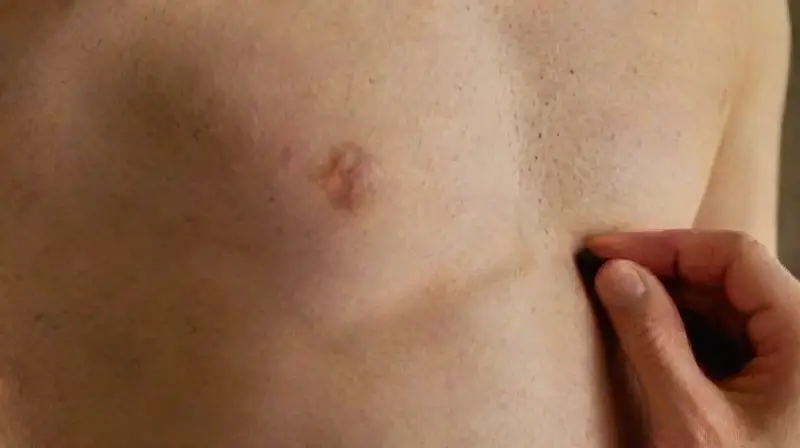
Lightly marking the design on skin acts as a guide that directs the application process. Using a fine-tipped, skin-safe marker, artists can draw reference lines corresponding to key points in the pattern. These lines serve as landmarks for symmetry.
Careful placement of guide lines helps maintain consistent proportions and prevents distortions. They also assist in correcting any misalignments during the process, allowing for adjustments before final coloring or ink application. Proper planning at this stage is vital for accuracy.
To enhance precision, some artists use tools like rulers or compasses to create geometric elements within the design. These instruments ensure that lines are perfectly straight or radiate from a common center, reinforcing the symmetry. Marking and guiding lines are essential steps in producing polished, balanced body art.
Mirroring Techniques
Mirroring is a fundamental technique to achieve symmetry in body art. It involves creating one side of the design and then duplicating or reversing it to the other side. This method ensures that both halves of the pattern are identical, enhancing visual balance.
Digital mirroring tools can help when designing on a computer. Artists can craft one half of the pattern and generate its mirror image instantly. This process reduces manual effort and increases accuracy. When working directly on skin, careful visual comparison helps maintain symmetry.
Manual mirroring requires a keen eye and steady hand. Artists often work from one side inward, frequently checking in a mirror to compare both halves. Consistent measurement and frequent assessment are crucial for achieving impeccable symmetry in body art.
Techniques for Hand Drawing Symmetrical Patterns
Freehand drawing can be challenging but allows for more expressive and organic designs. To draw symmetrical patterns by hand, artists typically start by establishing a centerline and work outward. This central reference point helps keep the pattern balanced.
Using light, sketchy strokes initially allows adjustments without committing to permanent lines. With practice, artists develop a steady hand and a strong sense of proportion, enabling them to produce intricate patterns symmetrically. Regular measurements further assist in maintaining consistency.
Training with exercises such as drawing geometric shapes or repetitive patterns enhances precision. Over time, the artist’s muscle memory strengthens, resulting in cleaner, more symmetrical designs. Hand drawing remains a versatile method for customizing unique body art.
Techniques for Tattooing Symmetrical Designs
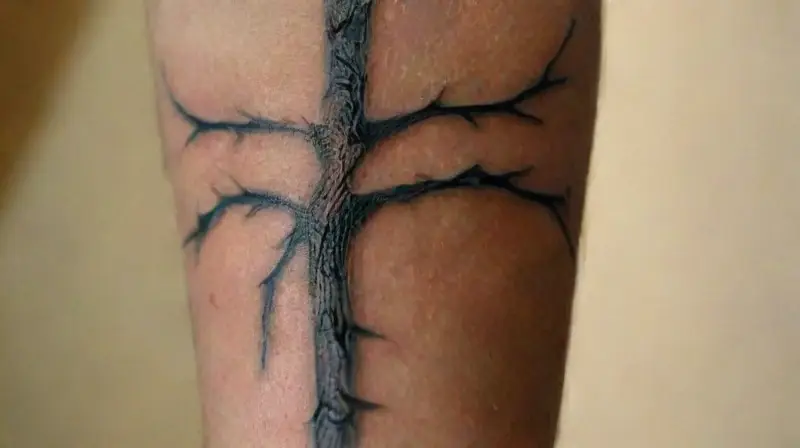
Tattooing symmetrical patterns demands exceptional control and attention to detail. Artists often sketch their design first on the skin and then proceed carefully, matching ink application on both sides. Steady hand movements are essential for ending with a balanced appearance.
Using guided tools like rulers or stencils during tattooing helps maintain alignment. Artists frequently check their work by stepping back or viewing it in a mirror to confirm symmetry. This ongoing assessment prevents asymmetries from becoming permanent.
Consistency in needle depth and ink saturation across both sides enhances the overall harmony of the tattoo. Skilled tattoo artists develop a keen eye for symmetry through experience and training. Their mastery results in impactful, visually pleasing body art.
Digital Tools and Software for Symmetry
Modern digital tools significantly simplify creating symmetrical designs for body art. Software applications enable artists to craft complex patterns with precise mirroring, scaling, and coloring options. These programs allow for detailed previews that assist in planning.
Digital design simplifies adjustments, making it easy to refine proportion and symmetry before transferring the pattern to the skin. Artists can experiment with colors, shapes, and motifs, ensuring the final design aligns perfectly with their vision. The use of technology enhances both accuracy and creativity.
Some applications also offer augmented reality (AR) features. These enable artists and clients to visualize how the body art will look in real-time, fostering collaboration and confidence. Embracing digital tools is transforming the way around symmetrical body art is conceived and executed.
Conclusion
Mastering techniques for creating symmetrical body art requires a combination of precise planning, skillful execution, and the right tools. By understanding fundamental methods like sketching, using stencils, and employing mirroring techniques, artists can produce balanced and harmonious designs. Consistent practice and attention to detail are essential for refining this craft.
Ultimately, achieving perfect symmetry enhances both the artistic impact and the personal expression conveyed through body art. Whether through manual drawing, tattooing, or digital design, a meticulous approach ensures stunning, visually compelling results. Developing these techniques elevates body art from mere decoration to a true form of artistic mastery.