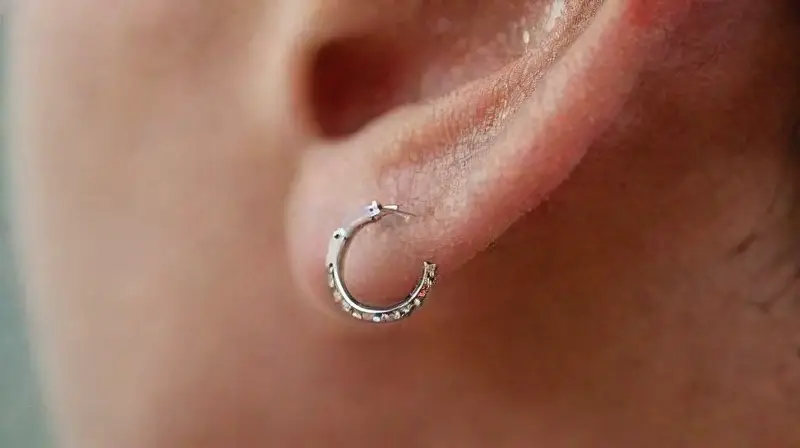
Piercing has become a popular form of self-expression around the world, blending personal style with cultural traditions. As the industry grows, more consumers are seeking sustainable and ethically sourced jewelry that aligns with their values. This shift reflects a broader awareness of environmental impact and social responsibility within fashion and body art communities.
However, the rise in demand also brings challenges, such as ensuring safe practices and preventing exploitative labor. Artists and brands are now prioritizing transparency and accountability to promote ethical standards. Combining artistry with responsibility is essential for a more conscious piercing industry.
Sustainable Materials
Choosing jewelry made from eco-friendly materials is crucial for reducing the environmental footprint of piercings. Many companies now prioritize recycled metals, biodegradable plastics, and other sustainable resources that minimize waste and pollution. These choices not only benefit the planet but also appeal to eco-conscious clients.
Furthermore, sustainable materials often undergo stricter quality controls, ensuring safety and durability. Certified suppliers adhere to environmentally responsible practices, fostering trust between artists and clients. Ultimately, material transparency helps shape a more responsible industry.
The use of biodegradable or plant-based bioplastics is gaining popularity as a sustainable alternative to traditional plastics. These materials are not only sustainably sourced but also safe for skin contact. Incorporating such options reflects a commitment to innovation and environmental preservation.
In addition, some brands promote ethical mining practices, ensuring that metals like gold and silver are sourced without harmful environmental or social impacts. This awareness ensures clients can wear their piercings with confidence, knowing they are not contributing to ecological damage or exploitation.
Ethical Sourcing and Fair Trade
Ensuring that materials like gold, silver, and gemstones are ethically sourced is an integral part of responsible piercing practices. Many suppliers now provide certified data confirming that their raw materials meet fair trade standards. This transparency helps prevent supporting conflict regions and unethical labor practices.
Fair trade sourcing also benefits local communities by providing fair wages and safe working conditions. This ethical approach promotes social justice and sustainable development in mining and jewelry manufacturing industries. Consumers are increasingly aware of these issues and prefer brands dedicated to ethical sourcing.
Artists and brands committed to ethical sourcing often collaborate with organizations that monitor compliance and provide certification. These measures ensure that every piece used in piercings aligns with ethical practices, fostering trust and accountability throughout the supply chain.
By choosing ethically sourced jewelry, clients participate in promoting sustainable development and social equity. These practices also influence other industries, encouraging a global shift towards more responsible resource management. For the industry as a whole, this trend underscores the importance of integrity and respect for human rights.
Safe and Hygienic Practices

Safety and hygiene are paramount in the piercing industry, especially when embracing ethical standards. Professionals must adhere to strict sterilization protocols to prevent infections and ensure client safety. This responsibility is a fundamental aspect of ethical practice.
Many piercing studios now implement eco-friendly sterilization methods, reducing the use of harmful chemicals while maintaining safety standards. Reusable sterilization tools, when properly sanitized, promote sustainability and hygiene simultaneously.
Educating clients on aftercare and hygiene best practices further emphasizes the importance of responsibility. Ethical practitioners prioritize transparency about risks and proper aftercare routines, empowering clients to care for their piercings responsibly.
The integration of sustainable practices in hygiene standards highlights a holistic approach to ethical piercing. It reflects respect for both individual health and the environment, fostering a culture of integrity within the industry.
Supporting Local Artisans and Small Businesses
Prioritizing local artisans helps sustain small businesses and promotes authentic craftsmanship. Many piercers collaborate with regional artists to source unique jewelry pieces, supporting local economies and reducing transportation pollution.
This approach also encourages cultural preservation by showcasing traditional jewelry-making techniques. Such collaborations highlight the importance of community in the craft, fostering a deeper connection between clients and their piercers.
Choosing locally made jewelry often results in higher quality and more personalized designs, offering clients a unique experience. Supporting these businesses aligns with ethical practices centered around fairness and community development.
By supporting local artisans, the industry reduces its environmental impact and promotes a more sustainable and inclusive market. It emphasizes the value of craftsmanship and community resilience in the realm of body art.
Transparency and Certification

Transparency regarding sourcing, manufacturing, and safety standards is essential for maintaining trust between clients and practitioners. Many brands now provide detailed information and certifications to prove their commitment to ethical practices.
Certified organizations oversee safety standards, labor conditions, and environmental impact, offering reassurance to clients. Access to clear, honest information empowers consumers to make informed decisions aligned with their values.
Promoting transparency also encourages continuous improvement across the industry. Brands that openly share their processes set a standard for responsibility, motivating others to adopt similar ethical practices.
Ultimately, certification and openness foster a culture of accountability, ensuring that ethical standards are upheld throughout the entire piercing process. This commitment benefits everyone involved, from suppliers to end-users.
Education and Advocacy
Education plays a vital role in fostering ethical awareness within the piercing community. Providing comprehensive information about sustainable materials, safe practices, and social responsibility empowers both artists and clients.
Advocacy groups work to raise industry standards and promote regulation, ensuring practitioners are trained in ethical and safe procedures. These organizations often campaign for safer legislation, benefiting public health and industry integrity.
An informed community encourages responsible consumption and professional conduct. Promoting ethical awareness through workshops, social media, and industry events helps build a transparent and accountable environment for all stakeholders involved.
By continually increasing awareness and advocating for ethical standards, the industry can evolve into a more sustainable and conscientious sector that respects both people and the planet.
Conclusion
The integration of sustainability and ethical practices in the piercing industry marks a significant step toward more responsible body art. Emphasizing eco-friendly materials, fair sourcing, safety, and community support ensures that piercers and clients contribute positively to social and environmental welfare.
As consumers become more conscious of their choices, many are choosing brands that uphold transparency and accountability. This shift not only elevates industry standards but also fosters greater trust, safety, and integrity within the community.
By committing to these principles, the piercing industry can continue to grow in a way that respects human rights, protects the environment, and celebrates craftsmanship. Moving forward, ongoing education and advocacy will be crucial to sustaining this positive momentum for years to come.