Tattoo artistry is a highly skilled profession that requires not only artistic talent but also a strong understanding of hygiene practices. Proper sterilization procedures are crucial to prevent infections and ensure the safety of clients. Licensed tattoo artists are required by law to follow strict regulations governing sterilization to protect public health.
Typically, these regulations are enforced by health authorities that aim to minimize the transmission of bloodborne pathogens. Compliance with sterilization standards not only safeguards clients but also upholds the reputation of tattoo professionals. Understanding and adhering to these rules is a vital part of responsible tattoo practice.
Personal Protective Equipment Standards
Tattoo artists must wear appropriate PPE, including gloves, masks, and eye protection, during all procedures. This equipment acts as a barrier against contamination and reduces the risk of cross-infection.
The standards specify the types of PPE to be used and how often they should be changed. Proper use of PPE also involves correct disposal methods to prevent environmental contamination and ensure ongoing safety.
Adhering to PPE guidelines helps protect both the artist and the client. It also demonstrates professionalism and a commitment to maintaining a clean work environment. Continuous training on PPE use is often mandated by licensing bodies.
Autoclave and Sterilization Equipment
Autoclaves are the primary tools used to sterilize tattoo equipment, effectively killing bacteria, viruses, and fungal spores. Regulations require tattoo studios to have certified, regularly maintained autoclaves that meet specific safety standards.
Routine testing and validation are necessary to confirm that sterilization cycles are effective. This process involves biological indicators that verify the sterilization process is functioning correctly.
Keeping detailed logs of sterilization cycles and maintenance schedules is a legal requirement. This documentation ensures accountability and provides evidence of compliance during inspections.
Proper Equipment Handling and Storage
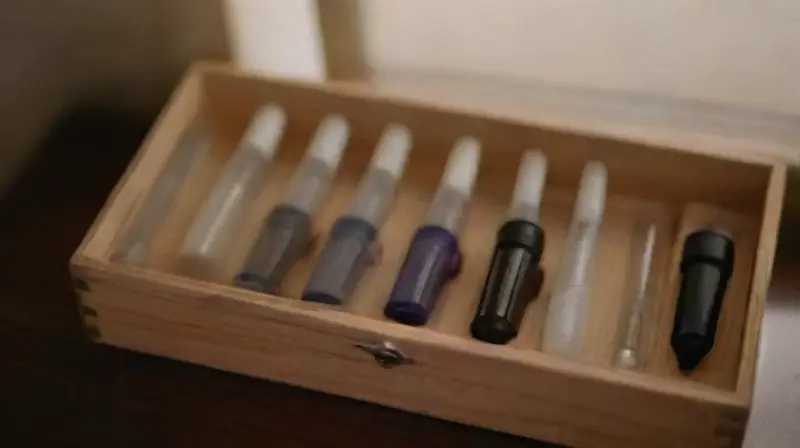
Sterilized tools must be handled with care to prevent contamination before use. Artists are instructed to use sterile techniques when preparing equipment and during the tattooing process.
Storage containers for sterilized tools should be airtight and clearly marked as sterile. They must be stored in clean, designated areas away from potential contaminants.
Protocols also specify regular inspections of storage areas to identify and eliminate any sources of dirt or germs. Proper handling and storage prolong the effectiveness of sterilized equipment and reduce the risk of infection.
Disinfection Procedures
Disinfecting work surfaces and non-sterile equipment is critical in maintaining a safe tattooing environment. Regulations detail the types of disinfectants approved for use and their proper application.
Surfaces should be cleaned immediately after each tattoo session, using products effective against a broad spectrum of pathogens. Regular disinfecting helps establish a hygienic workspace that minimizes bacterial buildup.
Training in proper disinfection techniques is mandatory for tattoo staff. This ensures that all employees are aware of best practices and consistent with health standards.
Waste Disposal Regulations
Proper disposal of contaminated waste, including needles and used gloves, is an essential part of sterilization procedures. Regulations specify the types of containers to be used and their secure sealing.
Sharps containers must be puncture-proof and clearly labeled to prevent accidental injuries. Regular disposal of these materials must follow local hazardous waste guidelines.
Adherence to waste disposal rules reduces the risk of medical waste exposure to the public and environment. It demonstrates the tattoo artist’s commitment to safety and legal compliance.
Training and Certification Requirements

Licensed tattoo artists are required to complete training on sterilization and infection control. These courses cover foundational knowledge on disease transmission, sterilization techniques, and safety protocols.
Ongoing education is often mandated to keep artists up-to-date with regulatory changes and emerging health threats. Certification exams assess their understanding and ability to implement sterilization procedures correctly.
Maintaining proper certification not only meets legal requirements but also builds trust with clients. It emphasizes the artist’s dedication to professionalism and health standards.
Inspection and Compliance Monitoring
Health authorities conduct regular inspections of tattoo studios to verify adherence to regulations. These inspections cover sterilization records, equipment conditions, and overall hygiene practices.
Non-compliance can result in fines, suspension, or revocation of licensing. Therefore, maintaining meticulous records and a clean environment is essential for ongoing operation.
Proactive compliance preparation includes staff training, routine maintenance, and self-auditing. Staying compliant demonstrates professionalism and protects both the business and clients from potential health risks.
Conclusion
Strict sterilization regulations are vital to maintaining a safe and professional tattoo industry. By adhering to established standards, licensed tattoo artists can ensure the health and safety of their clients, earning trust and credibility.
Furthermore, compliance with these regulations helps prevent the spread of infectious diseases and promotes a culture of responsibility within the industry. Staying informed about evolving health policies is essential for all tattoo professionals committed to safety.