In the creative world, acquiring certification can significantly enhance an artist’s credibility and open doors to new opportunities. Legitimate credentials serve as proof of skill, dedication, and professionalism, making it easier for artists to gain trust among clients, galleries, and peers. With the proliferation of online courses and certification programs, discerning which credentials are authentic remains a vital skill for serious artists.
However, not all certifications are created equal. The market is flooded with numerous programs, some of which lack rigorous standards or industry recognition. It is essential for artists to understand how to identify legitimate certifications that genuinely reflect their expertise and commitment. Doing so ensures their investments in education and credentials yield meaningful benefits.
Recognized Certification Bodies
Authentic certification programs are typically issued by reputable organizations recognized within the artistic community. These bodies often have strict standards and clear criteria for awarding credentials. Examples include recognized art academies, professional associations, and accredited educational institutions.
These organizations usually provide transparent information about their certification processes and maintain their reputation through ongoing standards reviews. When an artist obtains a certification from a recognized body, it signals legitimacy and adherence to industry benchmarks. This distinction helps in establishing trust with clients and institutions alike.
Furthermore, established certification bodies frequently collaborate with industry experts to update their programs. This ensures that the credentials they issue remain relevant and valued within the competitive art landscape. Artists should always verify the accreditation status of the certifying organization before pursuing a particular credential.
Industry Recognition and Credibility
One of the most critical aspects of a legitimate certification is its level of recognition within the art industry. A credential endorsed or widely accepted by galleries, museums, and art institutions carries significant weight. Industry recognition often signifies that the certificate aligns with current professional standards and practices.
Employers and clients tend to prefer artists who hold certifications acknowledged by reputable organizations. These credentials can serve as proof of specialized skills, such as digital illustration, conservation, or art history. As a result, certified artists often enjoy higher earning potential and better career prospects.
Artists should also consider the certification’s history and reputation when evaluating its credibility. Well-established certifications with a long-standing record of industry acceptance are more likely to be meaningful. Additionally, gathering feedback from peers and industry mentors can provide insights into the certificate’s value.
Accreditation and Program Quality
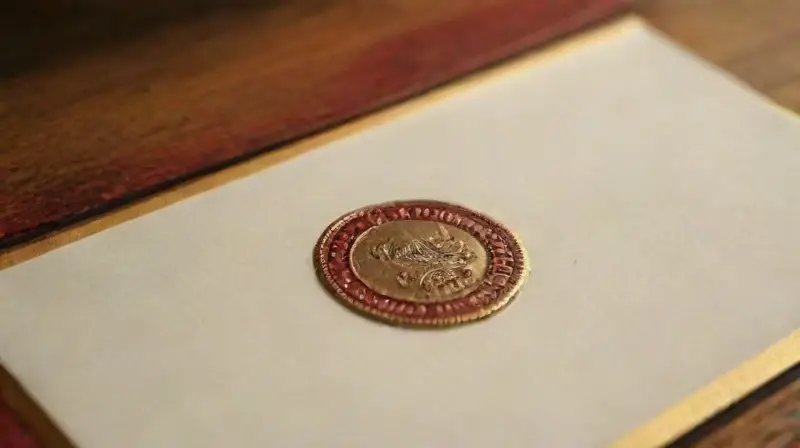
The quality of the training program behind a certification is another vital indicator of its legitimacy. Accredited programs meet certain educational standards and undergo regular reviews. Accreditation ensures that the curriculum is comprehensive, current, and designed by experts in the field.
High-quality training programs often include practical components, portfolio development, and mentorship opportunities. These elements enhance the tangible skills an artist gains from the certification process. A thorough program is more likely to prepare artists for real-world challenges and professional engagement.
Artists should research the programs offering certification carefully. Confirming accreditation status, reviewing syllabi, and understanding the instructors’ credentials can make a significant difference. Investing in reputable training helps ensure that the certification will hold value in the competitive art industry.
Cost and Value of Certification
While cost is an important consideration, it should not be the sole factor when determining a legitimate certification. Some programs may charge high fees, but their value and industry recognition justify the investment. Conversely, cheaper options lacking recognition or accreditation may not provide meaningful advantages.
Assessing the cost-benefit ratio involves examining the curriculum, reputation, and potential career benefits associated with the certification. An expensive program may offer exclusive resources, networking opportunities, and industry exposure that enhance an artist’s profile.
Artists should also consider the long-term return on investment. Certification costs should be weighed against the potential increase in credibility, opportunities, or earnings. Avoiding scams or uncertified programs protects artists from wasting resources on credentials that hold little industry value.
Verification and Due Diligence

Before committing to a certification, artists must conduct verification to confirm its legitimacy. This process includes checking the issuing organization’s credentials, accreditation, and industry reputation. Validating these aspects helps prevent falling for fraudulent or misleading programs.
One practical step is to review the certification‘s recognition on professional directories or industry forums. Artists can also reach out to past holders of the certification or industry mentors for insights into its credibility. Online reviews and testimonials provide additional perspectives.
Performing due diligence ensures that the certification will serve as a genuine asset rather than a liability. Maintaining thorough research habits strengthens an artist’s professional profile and helps in making informed decisions about their educational investments.
Certification Maintenance and Continuing Education
Legitimate certifications often require ongoing renewal or Continuing Education Units (CEUs). This requirement ensures that the artist stays current with evolving trends, tools, and industry standards. It also reflects an artist’s commitment to lifelong learning and professionalism.
Maintaining such certifications demonstrates dedication and helps preserve the credential’s value over time. Regular renewal processes may involve submitting proof of continued training, participating in workshops, or undertaking professional development activities.
Artists should consider whether a certification includes support for ongoing education or networking. A recognized certification that encourages continuous growth can significantly benefit an artist’s career trajectory and reputation.
Conclusion
In conclusion, recognizing legitimate certification for artists involves careful evaluation of the issuing body, industry acceptance, program quality, costs, and ongoing requirements. Authentic credentials can greatly enhance an artist’s credibility, opening doors to new opportunities and professional growth.
By conducting thorough research and due diligence, artists can select certifications that truly add value to their careers. Investing in recognized, accredited programs ensures their efforts are rewarded with a trusted credential that stands out in the competitive art world.