Traditions play a vital role in shaping the identity of communities around the world. They embody the collective history, values, and skills passed down through generations, serving as a bridge between the past and the present. Preserving these heritages ensures that future generations can connect with their roots and understand their cultural context.
In recent years, however, many traditional practices have faced decline due to rapid modernization and globalization. The erosion of customs threatens to diminish the rich diversity of human culture. Consequently, efforts to safeguard and restore these invaluable traditions have gained increasing importance worldwide.
The Role of Guilds in Cultural Preservation
Guilds have historically been central to the preservation of traditional crafts and skills. These associations organized artisans and craftsmen, ensuring the continuity of their artistic practices. By maintaining standards and passing knowledge from master to apprentice, guilds helped sustain centuries-old techniques.
Today, many guilds continue to serve as custodians of cultural heritage. They offer training programs and workshops that keep traditional methods alive. Moreover, guilds often act as advocates, lobbying for protection and recognition of their specific heritages at local and national levels.
Challenges Faced by Traditional Guilds
One of the main challenges faced by guilds is economic viability. With the rise of mass production, authentic handcrafted goods struggle to compete in markets dominated by cheaper, industrially made items. This financial pressure has led to the decline of many traditional guilds around the world.
Additionally, younger generations are less inclined to learn and continue traditional skills. Modern lifestyles and educational priorities often favor technological fields, leaving artisanal crafts at risk of extinction. The lack of interest from youth can result in the eventual disappearance of entire traditions.
Modern Initiatives to Protect Heritage
Several non-profit organizations and government agencies have launched initiatives to preserve traditional cultures. These programs often include grants, cultural festivals, and educational campaigns aimed at reviving interest in heritage skills.
Digital technology also plays a crucial role in heritage preservation. Documenting crafts and techniques through videos and virtual exhibits helps reach a global audience. This increased visibility can inspire a new generation of artisans and enthusiasts dedicated to maintaining traditions.
The Impact of Tourism on Heritage Sites
Tourism offers a unique opportunity to showcase and financially support traditional practices. Cultural tourism can generate revenue that helps sustain traditional crafts and festivals, incentivizing communities to preserve their heritages.
However, when unmanaged, tourism can also pose threats to authenticity and integrity. Overcrowding and commercialization might distort traditions and diminish their cultural significance. Striking a balance between accessibility and preservation is crucial to protect the true essence of heritage sites.
Education and Community Engagement
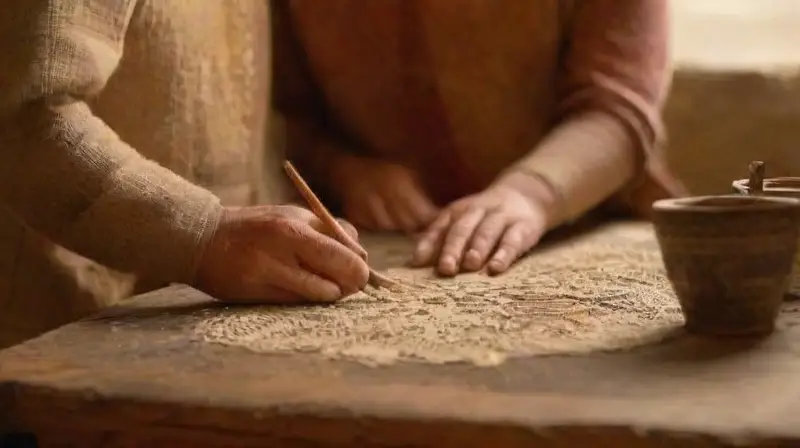
Education systems can play a pivotal role in heritage preservation by incorporating cultural studies into curricula. Encouraging students to learn about traditional skills fosters appreciation and understanding from a young age.
Community engagement is equally important. Local residents and artisans must collaborate to maintain traditions, creating programs and events that celebrate their cultural heritages. When communities take ownership, preservation efforts tend to be more sustainable and impactful.
International Cooperation and Policy Support
Global partnerships and policy frameworks can significantly enhance heritage preservation. Organizations like UNESCO promote policies that protect intangible cultural assets and support the designation of heritage sites.
International cooperation can facilitate resource-sharing and knowledge exchange among nations. These efforts help reinforce the importance of safeguarding diverse heritages and ensure they are integrated into broader cultural and development policies.
Conclusion
Protecting traditions through the support of guilds and other preservation initiatives is essential for maintaining the rich tapestry of human culture. By valuing and actively supporting these heritages, societies can foster a sense of identity and continuity across generations.
Ultimately, preserving cultural diversity benefits everyone by enriching our shared history and promoting mutual understanding. It is the responsibility of individuals, communities, and policymakers to work together to ensure that these treasures of our collective past endure for the future.