Piercings and tattoos have long been a form of self-expression, gradually becoming mainstream and widely accepted in contemporary society. Over the past few decades, these body modifications have transcended their associations with subcultures and have gained popularity among celebrities and the general public alike. Their presence in media has played a crucial role in shaping perceptions and popularity.
In the realm of music, artists frequently showcase tattoos and piercings as symbols of individuality and rebellion. As influential figures, they inspire fans to embrace body art as a way to express their identity. This visibility has helped normalize body modifications and reduce associated stigma.
The Evolution of Body Art in Music
Historically, tattoos and piercings were linked to specific subcultures such as punk, goth, and rock. These genres used body modifications as a form of defiance and to challenge societal norms. Over time, however, their acceptance broadened, becoming part of mainstream culture.
Popular musicians have significantly contributed to this shift. Icons like David Bowie and Madonna frequently displayed tattoos and piercings, turning them into symbols of artistic freedom. Their influence encouraged fans to explore body art as a means of self-discovery and self-expression.
Media portrayals often depict musicians as trendsetters, further amplifying the appeal of tattoos and piercings. Music videos, magazine covers, and social media platforms showcase artists’ body modifications, making them more accessible and desirable to the wider audience.
Impact on Fashion and Trends
Body art has impacted fashion by inspiring clothing choices and accessories that complement tattoos and piercings. From leather jackets to jewelry, the industry adapts to highlight body modifications, creating new style trends.
Television shows and movies have also played a role by featuring characters with visible tattoos and piercings. These portrayals influence perceptions, making body art seem more fashionable and acceptable across diverse demographics.
Additionally, fashion brands sometimes collaborate with tattoo artists or create collections inspired by body modifications. Such initiatives bridge the gap between art and apparel, encouraging consumers to incorporate body art into their personal styles.
Celebrity Influence
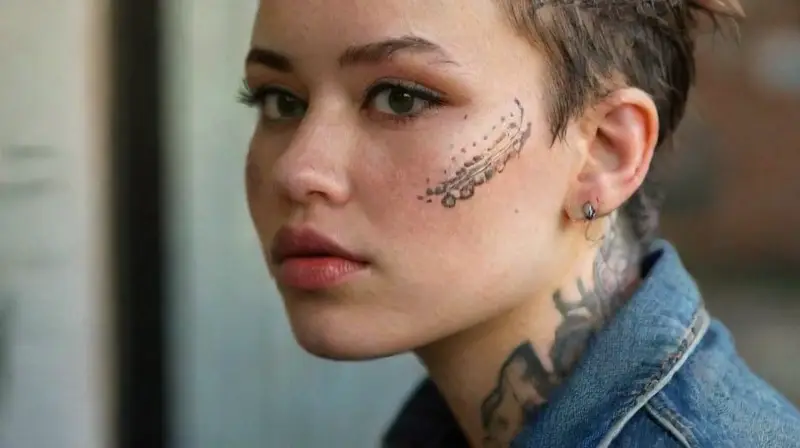
Celebrities serve as powerful ambassadors for body modifications, often showcasing elaborate tattoos or unique piercings on red carpets and social media. Their choices often spark trends among fans eager to emulate their look.
For example, musicians like Post Malone and Rihanna have popularized visible tattoos and piercings through their public appearances. Their influence extends beyond music into fashion and beauty, making body art a symbol of originality and confidence.
This celebrity endorsement reduces stigma by demonstrating how tattoos and piercings can enhance personal expression. As a result, many individuals feel more comfortable adopting similar styles without fear of judgment.
Social Media and Body Art Trends
Social media platforms have revolutionized how body modifications are viewed and shared. Influencers and everyday users showcase their tattoos and piercings, fostering a sense of community and acceptance.
Trending challenges and hashtags focus on body art, encouraging users to flaunt their creativity and personal stories behind their tattoos. This visibility helps normalize body modifications and dismantles outdated taboos.
Moreover, online forums and tutorials provide information about tattoo and piercing care, making it easier for individuals to explore options safely. The digital space plays a crucial role in empowering people to make informed decisions about body art.
The Psychology Behind Body Modifications

Getting a tattoo or piercing often stems from a desire to mark significant moments or show loyalty to a subculture. These modifications serve as symbols of identity, resilience, or transformation.
Psychologically, body art can increase self-esteem and provide a sense of control or ownership over one’s appearance. Many individuals view their tattoos and piercings as empowering and affirming parts of themselves.
However, societal attitudes toward body modifications can influence emotional well-being. As acceptance grows, individuals feel freer to express themselves without fear of judgment or exclusion.
Challenges and Controversies
Despite increasing acceptance, tattoos and piercings still face stigma in certain professional or cultural settings. Some employers view visible body modifications as unprofessional or distracting, leading to discrimination.
Cultural appropriation is also a concern when tattoos or piercings are adopted without understanding or respect for their traditional meanings. This can lead to misinterpretation and commodification of meaningful symbols.
Furthermore, health and safety risks associated with body modifications are ongoing topics of debate. Ensuring proper sterilization and aftercare is essential to prevent complications, and ongoing education is vital for both practitioners and clients.
Conclusion
The presence of piercings and tattoos in popular music and media has transformed them into common expressions of identity and art. As influential figures continue to showcase and embrace body modifications, societal perceptions evolve, fostering greater acceptance and understanding.
Ultimately, these body art forms reflect personal stories, cultural influences, and artistic freedom. As media continues to spotlight diverse styles and stories, the normalization of tattoos and piercings will likely grow, enriching the spectrum of self-expression available to all.