Piercing is a popular form of self-expression, often seen as a way for individuals to showcase their personality and style. However, when it comes to minors, regulations and laws vary significantly across different regions, raising important questions about safety and consent. Many jurisdictions have established specific rules to protect young people from potential risks associated with piercings without proper oversight.
Understanding these regulations is essential for both parents and minors to navigate the legal landscape responsibly. These laws aim to balance personal freedom with safety measures, ensuring that minors are not subjected to procedures they might regret or that could pose health hazards. Awareness of local legislation can prevent legal issues and promote safer piercing practices.
Legal Age Restrictions
Most countries and states set a minimum age for minors to get piercings without parental approval. Typically, this age is around 16 or 18 years, depending on local laws. These restrictions are meant to ensure that minors are sufficiently mature to make informed decisions about body modifications.
Some regions allow minors to get certain types of piercings, like ear piercings, at a younger age, often with parental consent. Other more sensitive or potentially risky piercings, such as facial or genital piercings, generally require minors to reach the legal age or obtain parental approval. These age limits are enforced through penalties for establishments that violate regulations.
Policies regarding age restrictions are designed with health and safety as priority concerns. They aim to prevent impulsive decisions by minors and to reduce the risk of regret or complications. Establishments that perform piercings are typically expected to verify age documents to comply with laws.
Parental Consent and Its Exceptions
In many jurisdictions, minors can be pierced with the consent of a parent or guardian. This requirement ensures that a responsible adult understands the risks involved and agrees to the procedure. Parental consent is often documented through signed forms before the piercing is performed.
However, some places do not require parental approval for certain types of piercings, especially if the minor is above a specific age. Additionally, exceptions might be made in cases of emancipated minors or when the procedure is deemed necessary for medical reasons. These exceptions usually involve official documentation or legal processes.
Minors and their guardians should be aware that consent laws are strictly enforced and that clandestine or unlicensed piercing businesses are subject to legal actions. The goal of these regulations is to ensure safety and informed decision-making, rather than to restrict personal freedom unnecessarily.
Regulations for Licensed vs. Unlicensed Piercers

Legislation often distinguishes between licensed and unlicensed piercing professionals and establishments. Licensed piercers are typically trained in health and safety protocols, which reduces the risk of infection and other complications. Operating without proper licensing is usually illegal and carries heavy penalties.
Authorities enforce regulations that mandate proper sterilization, hygiene, and equipment standards. These rules are meant to protect minors from health hazards associated with unregulated piercing shops. Customers, especially minors, benefit from choosing licensed professionals who adhere to legal standards.
Unlicensed piercing providers pose significant risks to minors’ health and may not follow necessary safety protocols. Many regions conduct routine inspections and impose sanctions on illegal piercing businesses to uphold public health standards. It is essential for minors to seek services from reputable, licensed establishments.
Specific Restrictions on Certain Types of Piercings
Some laws impose tighter restrictions on tattoos and piercings in sensitive areas, especially for minors. For example, genital, facial, or heavy boundary piercings often require higher age thresholds or explicit consent from guardians.
Regions may ban minors from getting certain procedures altogether or require approval from a healthcare professional. These restrictions aim to minimize potential health issues and emotional regrets stemming from body modifications in sensitive areas. Specific regulations often reflect community standards and cultural attitudes towards body art.
In some cases, laws are designed to protect minors from coercion or exploitation, ensuring that the decision is voluntary and informed. Even in territories where piercing is permitted, reputable establishments follow guidelines to prevent unauthorized procedures on minors. These restrictions underscore the importance of adult oversight in potentially sensitive cases.
Risks and Health Considerations
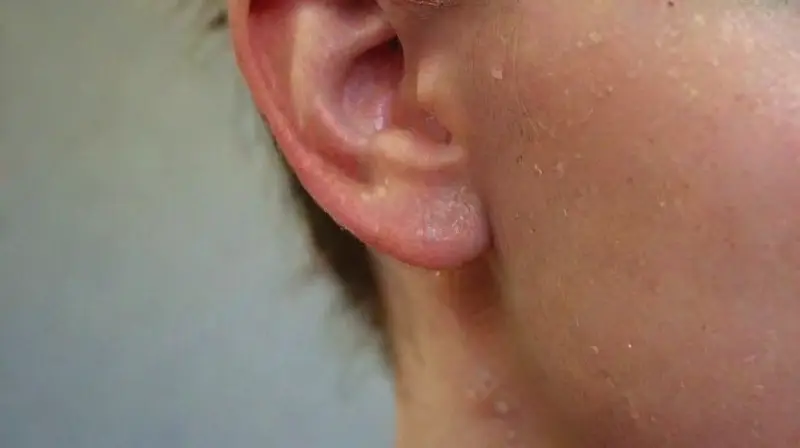
Piercings, especially for minors, carry a certain level of health risk that must be carefully considered before proceeding. Infection, allergic reactions, and scarring are common concerns that can be mitigated through proper hygiene and aftercare.
Health regulations mandate that piercing studios adhere to strict sterilization protocols to prevent infection transmission. Minors should be informed about the importance of following aftercare instructions and attending follow-up appointments. Failure to comply can result in complications that may require medical treatment.
Parents and minors should consult with healthcare professionals before getting a piercing, especially in sensitive areas. Awareness of potential risks and choosing certified establishments can significantly improve safety outcomes. Education about health risks is a critical component of responsible piercing procedures.
The Role of Educational Campaigns
Public awareness campaigns play a vital role in informing minors and their guardians about laws related to body modifications. Educational initiatives can dispel myths, highlight safety practices, and promote responsible decision-making.
These campaigns often involve collaborations between public health departments, professional associations, and community organizations. They aim to increase compliance with legal requirements and encourage minors to seek piercings only from licensed and reputable professionals.
In addition to legal education, campaigns focus on health warnings and proper aftercare; this knowledge empowers minors to prioritize their safety and well-being. Such efforts are essential to reduce health risks and promote responsible body modification practices among youth.
Conclusion
Understanding the laws surrounding piercings for minors is crucial for ensuring safety, legality, and informed choice. Parental consent, age restrictions, and licensing requirements are all designed to protect young people from unnecessary risks, while still respecting their right to personal expression.
Both minors and their guardians should stay informed about local regulations and seek services from licensed establishments. By doing so, they can enjoy body modifications in a safe, legal, and responsible manner that reflects their values and individual identity. Ultimately, awareness and adherence to laws foster a culture of safety and respect for personal autonomy.