Piercing jewelry is a popular fashion accessory that allows individuals to express their style and personality. When choosing jewelry for piercings, durability and safety are crucial factors to consider. Many materials are susceptible to corrosion and discoloration over time, which can lead to skin irritation and additional costs for replacements.
To ensure that your piercing remains beautiful and healthy, selecting the right material is essential. High-quality, tarnish-resistant materials not only preserve the appearance of your jewelry but also help prevent infections and allergic reactions. This article explores the best materials for piercing jewelry that resist fading and tarnishing.
Titanium
Titanium is one of the most popular materials used in piercing jewelry due to its exceptional biocompatibility. It is lightweight and hypoallergenic, making it suitable for sensitive skin types. Titanium’s resistance to tarnishing ensures your jewelry maintains its appearance over time.
Additionally, titanium is highly durable and resistant to corrosion caused by body sweat and oils. Its sleek, modern look makes it a versatile choice for various styles of piercings. Many professional piercers recommend titanium for initial and long-term jewelry.
Despite its advantages, titanium can be more expensive than other materials. However, its longevity and safety benefits often justify the upfront cost for many wearers. Proper care can prolong its shine and prevent scratches, maintaining its aesthetic appeal.
Surgical Steel
Surgical steel is a common material used in piercing jewelry because of its strength and affordability. It contains minimal nickel content, reducing the risk of allergic reactions for most users. Surgical steel’s resistance to rust and tarnish makes it an excellent choice for everyday wear.
This material is easy to clean and maintain, which helps prevent bacteria buildup. Its shiny, metallic finish stays vibrant even after prolonged use, making it a popular choice among both beginners and experienced piercings.
However, some very sensitive individuals might still react to certain types of surgical steel. It’s important to choose high-quality, medical-grade options to minimize any risk. Regular cleaning and proper storage can ensure your surgical steel jewelry remains free from tarnish and damage.
Niobium

Niobium is a lesser-known but highly durable metal ideal for piercing jewelry. It shares many features with titanium, including excellent corrosion resistance and hypoallergenic properties. Niobium’s smooth surface reduces the risk of irritation during healing.
One distinctive feature of niobium is its ability to be anodized in various colors, providing a unique aesthetic without compromising its resistance to tarnishing. This makes it appealing for those seeking vibrant, personalized jewelry options.
While niobium is generally more affordable than titanium, its availability may be limited depending on location. Proper maintenance, including regular cleaning, ensures the jewelry retains its vibrant appearance over time.
Gold (Real Gold Only)
Real gold, especially 14k or higher, is a classic choice for piercing jewelry due to its luxurious appearance and biocompatibility. Gold is resistant to tarnishing and corrosion, making it suitable for long-term wear when properly maintained.
Choosing nickel-free pure gold helps reduce risks of allergic reactions and skin irritation. Gold jewelry often comes in various colors, including yellow, white, and rose, providing options to match individual styles.
However, gold-plated or filled jewelry is prone to fading and tarnishing over time. Investing in solid gold pieces ensures durability and maintains the jewelry’s shine. Regular cleaning will enhance the longevity and beauty of your gold piercings.
Platinum
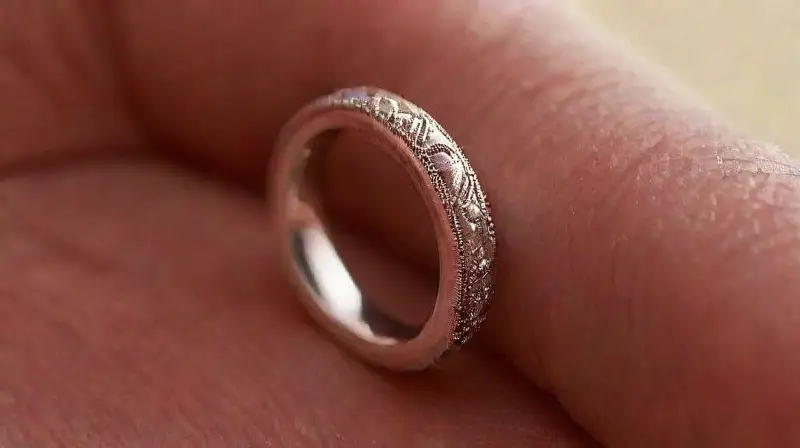
Platinum is a premium material known for its luxurious appearance and remarkable resistance to tarnish. It is hypoallergenic and highly durable, making it ideal for sensitive skin and everyday use. Platinum jewelry maintains its polished look for many years with minimal upkeep.
Its dense and sturdy nature means it is less likely to deform or scratch, ensuring your piercing stays in pristine condition longer. Due to its rarity and quality, platinum tends to be more expensive than other materials but offers exceptional value in terms of longevity and safety.
Proper care, such as regular cleaning with gentle methods, can preserve the vibrant shine of platinum jewelry. Its resistance to tarnishing makes it an excellent investment for those seeking jewelry that lasts a lifetime.
Glass and Crystal
While not traditional metals, glass and crystal materials are sometimes used for decorative piercing jewelry. They are non-reactive and resistant to tarnish, making them a safe choice for individuals with metal allergies. Glass and crystal pieces can be easily cleaned and are available in various shapes and colors.
These materials are especially popular for specialized or temporary piercings, offering a versatile and eye-catching appearance. However, they are more fragile than metal options and require careful handling to prevent chipping or breaking.
Though not suitable for active lifestyles or long-term wear in some cases, glass and crystal jewelry provide a non-allergenic alternative that resists fading and tarnishing, maintaining their aesthetic appeal over time.
Conclusion
Choosing piercing jewelry made from materials that resist fading and tarnishing is essential for maintaining both the beauty and health of your piercings. High-quality options like titanium, surgical steel, niobium, and gold offer durability and hypoallergenic qualities that ensure your jewelry remains vibrant and safe.
Investing in proper materials and maintaining good hygiene practices can extend the life of your piercing jewelry, saving you time and money in the long run. Prioritizing quality over cost ensures your piercing experience remains positive and your jewelry stays stunning for years to come.