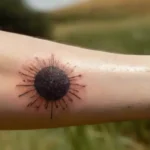
Microdermal piercings have gained popularity in recent years as a unique form of body art. They offer a subtle yet distinctive way to express individual style and personality. These piercings are often chosen for their versatility, allowing placement in various parts of the body that traditional piercings may not suit.
Despite their small size, microdermal piercings can make a significant statement. They are appreciated for their minimal invasiveness and the ability to customize designs to match personal preferences. Many individuals find microdermals to be a perfect blend of elegance and novelty.
What Are Microdermal Piercings?
Microdermal piercings are a type of dermal implant where a small, flat base is surgically inserted beneath the skin. An ornamental top, often a gemstone or decorative element, then sits on the surface, creating the appearance of a piercing on the skin’s exterior. This design allows for placement in unconventional areas like the chest, face, or hands.
Unlike traditional piercings that go through a tissue, microdermal piercings are anchored directly into the dermis. This method provides added stability and reduces the risk of migration or rejection. The procedure is minimally invasive and typically performed by a trained professional using a piercing gun or needle.
Microdermal piercings are popular among individuals seeking a discreet yet stylish accessory. They can be designed with various shapes and sizes, making them highly customizable. Their unique appeal lies in their ability to blend seamlessly with body contours while still standing out.
Common Placement Options
The versatility of microdermal piercings allows for placement in a myriad of locations on the body. Popular sites include the collarbone, temple, and eyebrows, where they add a subtle touch of ornamentation. Some opt for placements on the fingers, behind the ears, or across the nape of the neck to achieve a distinctive look.
Certain areas are preferred because they provide a flat and stable surface for the implant. For example, the chest and ribcage offer expansive, smooth spaces ideal for larger or multiple microdermal piercings. The face is another prime location, allowing for creative designs around the eyebrows or jawline.
While the possibilities are extensive, it’s crucial to consider the body’s anatomy and lifestyle. Some placements may be more prone to irritation or accidental snagging, especially in active individuals. Consulting with a professional piercer can help identify the most suitable site for each person.
Benefits of Microdermal Piercings

One of the main advantages of microdermal piercings is their sheer flexibility in placement. They can be positioned almost anywhere, offering unparalleled options for customization. This makes them an attractive choice for those wanting unique body art.
Another benefit is their minimally invasive nature. Since they do not go through a large amount of tissue like traditional piercings, healing times can be relatively quick. Additionally, microdermal piercings tend to have a lower risk of ruining existing piercings or causing extensive scarring.
Maintenance is also straightforward for microdermal piercings. Regular cleaning reduces the risk of infection, while their secure anchoring minimizes accidental removal. When properly cared for, they can remain an elegant and durable form of body decoration for years.
Risks and Considerations
Despite their many advantages, microdermal piercings are not without risks. One common issue is migration, where the implant shifts from its original position. This can sometimes lead to rejection or the need for correction or removal.
Infection is another concern, especially if hygiene protocols are not followed diligently. The placement area must be kept clean during healing to prevent bacterial buildup. Allergic reactions to the metal used in the implant can also occur, making material selection important.
It is essential to work with a qualified and experienced piercer. Proper technique minimizes complications and ensures the implant is placed correctly. Regular check-ups and mindful aftercare are crucial for maintaining the health and appearance of the piercing.
Aftercare and Healing
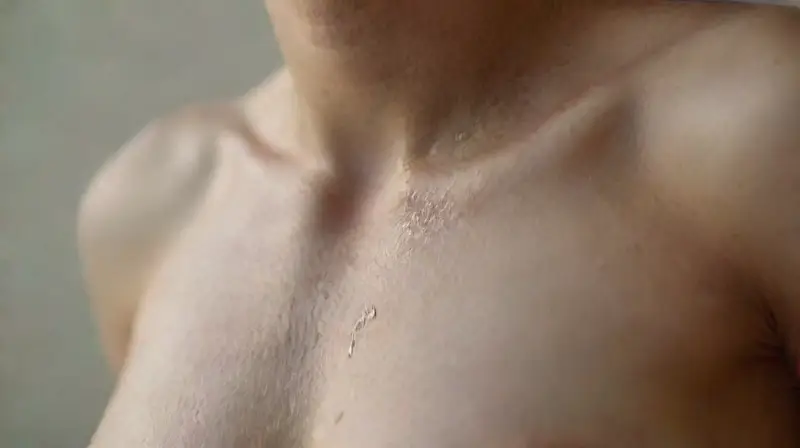
Proper aftercare is vital to ensure a smooth healing process for microdermal piercings. This typically involves cleaning the area twice daily with a saline solution to remove bacteria and debris. Avoiding touching or rotating the jewelry reduces irritation and trauma.
Healing times can vary depending on the placement and individual factors but generally range from several weeks to a few months. During this period, it’s important to avoid strenuous activities that may cause sweating or trauma around the area. Wearing loose clothing can also minimize irritation.
Patience and diligent care are essential for long-term success. Follow-up visits with the piercer help monitor healing progress and address any issues promptly. Proper aftercare not only promotes healing but also extends the life and appearance of the microdermal piercing.
Removing or Changing Microdermal Piercings
Removing a microdermal piercing is a straightforward process but should ideally be performed by a professional if possible. The piercer will gently extract the implant and assess the tissue for any signs of infection or scarring. Healing after removal similar to other skin wounds, requiring proper wound care.
Changing the jewelry is also common once the piercing has fully healed. This allows for customization and seasonal adjustment of styles. It’s advisable to use jewelry made from hypoallergenic materials to minimize the risk of allergic reactions or irritation.
In cases where migration or rejection occurs, removal may be necessary sooner than expected. Following professional guidance throughout the removal or change process helps ensure minimal scarring and preserves the skin’s integrity.
Conclusion
Microdermal piercings are a fascinating form of body modification that combines artistry with innovation. Their small size and adaptability make them attractive for individuals looking to add a subtle yet impactful touch to their appearance. When done correctly and with proper aftercare, these piercings can serve as a long-lasting expression of personal style.
While there are some risks involved, choosing experienced professionals and adhering to recommended care routines can greatly reduce complications. Microdermal piercings continue to be a popular choice among body art enthusiasts, appreciated for their versatility and distinctive aesthetic.