

Getting body art, such as tattoos or piercings, can be an exciting experience, but sometimes repairs are necessary due to fading, damage, or personal changes. These procedures can involve discomfort or pain, which can be a source of anxiety for many individuals. Understanding how to effectively manage this discomfort is crucial for ensuring a smoother and less stressful experience.
Effective pain management not only improves patient comfort but also contributes to better healing and results. By exploring various techniques, options, and preparations, individuals can approach their body art repairs with greater confidence and peace of mind.
Understanding Body Art Repair Procedures
Body art repair treatments involve removing or modifying existing tattoos or piercings that no longer meet the individual’s expectations. These procedures can range from simple touch-ups to more complex laser removals or cover-ups.
The intensity of discomfort largely depends on the type of repair being performed, the area of the body involved, and individual pain tolerance. Knowing what to expect can help in planning and reducing stress related to the procedure.
Knowing the steps involved in body art repair helps individuals mentally prepare for the experience. Usually, it begins with consultation, followed by the actual treatment, and ends with aftercare instructions to promote healing.
Types of Pain Associated with Repair Treatments
Pain experienced during body art repair varies widely among individuals and procedures. Some might experience a mild pinching sensation, while others could feel more intense discomfort.
Procedures like laser removal tend to be more painful due to the nature of the treatment, often described as snapping or burning sensations. Conversely, simple touch-ups or repairs may involve only minimal discomfort.
Understanding the type of pain involved helps in selecting appropriate pain management strategies. It also aids practitioners in providing the necessary support and reassurance to their clients.
Preparing Mentally and Physically for the Procedure
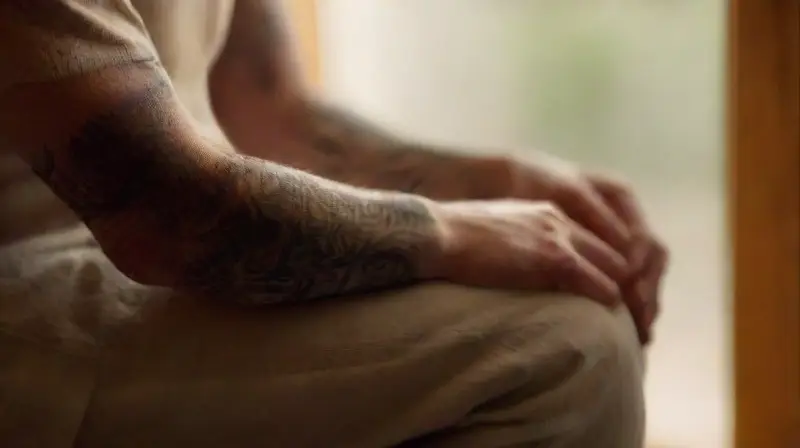
Physically, ensuring proper hydration, getting adequate rest, and avoiding stimulants like caffeine can influence pain perception favorably. Some practitioners recommend certain skincare routines before the procedure.
A thorough consultation with the practitioner can clarify doubts and help tailor pain management methods suited to the individual’s needs. This proactive approach fosters confidence and comfort going into the treatment.
Local Anesthesia and Numbing Agents
Local anesthesia is frequently used to block pain during body art repairs. Topical numbing creams and gels can be applied directly to the area before the procedure begins.
The effectiveness of numbing agents varies among individuals, but they generally provide significant relief from discomfort. It’s important to follow application instructions for optimal results.
In some cases, injectable anesthetics may be used for more invasive treatments. Discussing options with the practitioner beforehand ensures the chosen method aligns with the patient’s pain threshold and the procedure’s requirements.
Alternative Pain Management Techniques

Some individuals find that cold compresses or ice packs applied before or during the procedure can reduce pain and swelling. Aromatherapy or calming music may also contribute to a more comfortable experience.
Incorporating these methods can complement medical approaches, providing a holistic strategy that minimizes discomfort and enhances overall well-being during body art repairs.
Post-Treatment Care and Pain Relief
After the treatment, managing pain continues to be important for optimal healing. Over-the-counter analgesics like ibuprofen or acetaminophen can help reduce residual discomfort.
Proper aftercare includes keeping the area clean, avoiding irritants, and following the practitioner’s instructions. This helps prevent infection and promotes quicker healing, which can minimize ongoing pain.
Being attentive to signs of abnormal pain or complications allows for early intervention. Consistent care and patience are essential for achieving the best outcomes with minimal discomfort.
Managing pain during body art repair treatments involves a combination of preparation, appropriate techniques, and aftercare. By understanding the nature of discomfort and exploring various options, individuals can make informed choices that improve their overall experience.
Ultimately, effective pain management not only enhances comfort but also supports the healing process and the satisfaction with the final results. With proper planning and support, body art repair can be a smooth and positive experience for everyone involved.

