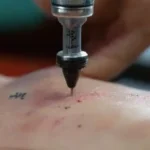
Getting a piercing in sensitive regions can be an exciting experience, but proper hygiene is essential to ensure quick healing and avoid complications. These areas are more prone to infection due to their location and the presence of bacteria, making careful care a top priority for anyone with a new piercing. By following the right hygiene practices, you can keep the area clean and promote healthy healing.
Many people underestimate how important cleanliness is during the recovery process. Without proper care, infections can develop, leading to discomfort, swelling, or even more serious health issues. Educating yourself about the best hygiene methods will help you protect your health and enjoy your new piercing safely.
Hand Hygiene
Before touching or cleaning your new piercing, washing your hands thoroughly is a crucial step. Hands can carry dirt, bacteria, and other germs that might cause infection if transferred to the piercing site. Use warm water and antibacterial soap, and dry your hands with a clean towel to reduce contamination.
Always wash your hands before applying any cleaning solutions or touching your piercing. This simple habit prevents bacteria from entering the wound and promotes a smoother healing process. Remember that clean hands are your first line of defense against infection.
Avoid touching your piercing unnecessarily or with unclean hands. Each unnecessary contact increases the risk of introducing germs into the site. Develop a habit of handling your piercing only when necessary and with properly washed hands to maintain optimal hygiene.
Cleaning the Piercing Area
Cleaning the raw piercing regularly is essential to prevent infection and promote healing. Use a sterile saline solution, which helps eliminate bacteria and debris without irritating the skin. Gently dab or rinse the area, avoiding harsh chemicals that could delay recovery.
Perform cleaning twice a day, especially after activities that can cause dirt or sweat to accumulate, such as exercise or bathing. Consistency in cleaning is key to avoiding bacteria buildup and ensuring the piercing heals properly. Always use clean tools or hands for each cleaning session.
When cleaning, be gentle to avoid damaging the fragile skin around a new piercing. Harsh scrubbing or vigorous movements can cause irritation or bleeding, which may lead to complications. Patience and gentle care will support healthy healing.
Use of Appropriate Products
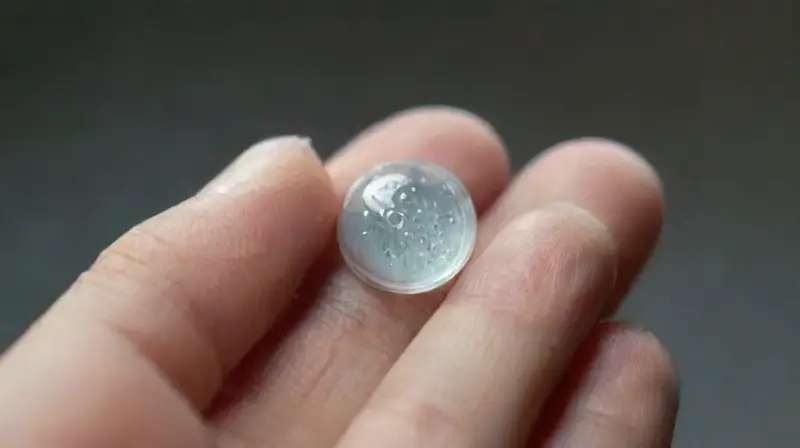
Choosing the correct products for piercing care is vital. Saline solutions or specially formulated aftercare products are recommended by professionals. Avoid alcohol, hydrogen peroxide, or harsh soaps, as these can dry out or damage sensitive skin.
Look for sterile, fragrance-free solutions designed explicitly for piercings to ensure safety and comfort. These products help maintain the natural moisture balance and prevent infection. Consult your piercer for trusted product recommendations.
Always check labels and ingredients before using any product on your new piercing. Using the wrong products can lead to irritation, delayed healing, or worse issues. Proper product selection contributes greatly to the success of your piercing’s recovery.
Clothing and Contact Precautions
Wear loose, breathable clothing that does not rub against or irritate your piercing site. Tight clothing can cause friction, slow healing, or introduce bacteria, increasing the risk of infection. Choose fabrics that are gentle and easy to clean.
Minimize contact with clothing, bedding, or towels that may carry germs. Regularly wash your bedding and avoid sharing towels or clothing that touch the healing area. This helps reduce bacterial exposure during the sensitive healing phase.
Be cautious about activities that might cause trauma or dirt exposure to the piercing area, such as sports or swimming. Protecting your piercing from unnecessary contact will support natural healing and reduce the chance of complications.
Avoiding Contaminants
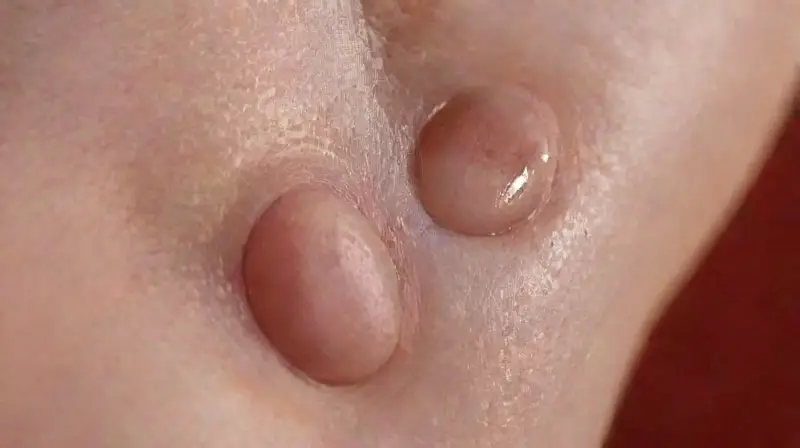
Keep your piercing away from potential sources of contamination, like dirty water or unclean environments. Bathing in chlorinated pools or hot tubs can introduce harmful bacteria, so it’s best to avoid such activities until fully healed.
Certain personal products, such as lotions or perfumes, can irritate the area or introduce bacteria. Apply only approved aftercare products and avoid applying unnecessary substances near your piercing. Maintaining a clean environment reduces infection risks.
Be vigilant about exposure to dirt, dust, or chemicals that may come into contact with your new piercing. Covering the area during outdoor activities or while cleaning can provide added protection during recovery. The goal is to keep the site as clean and uncontaminated as possible.
Monitoring for Signs of Infection
Regularly observe your piercing for signs of infection, such as redness, swelling, pus, or pain beyond normal healing. Recognizing these signs early allows for prompt action and prevents more serious problems.
If you notice abnormalities, avoid manipulating or irritating the wound further. Seek advice from a professional piercer or healthcare provider to determine the best course of action. Early intervention can significantly improve healing outcomes.
Maintaining awareness and being attentive to your body’s signals will help you catch issues early. Healthy hygiene combined with careful monitoring is essential to a smooth healing process and a successful piercing experience.
Conclusion
Prioritizing hygiene when caring for a raw piercing in sensitive areas is crucial for a smooth and infection-free recovery. Simple practices like thorough handwashing, gentle cleaning, and using the right products make a significant difference. By staying vigilant and avoiding contaminants, you can ensure your new piercing heals properly and remains healthy.
Remember that patience and consistency are key during the healing process. Gentle care and close attention to signs of potential infections will help you enjoy your new body art while safeguarding your health. With proper hygiene, your piercing can heal beautifully and safely.