Tattooing has become an increasingly popular form of self-expression around the world. As the demand grows, so does the variety of individuals offering tattoo services, ranging from licensed professionals to enthusiastic amateurs. While professional tattoo artists adhere to strict hygiene standards, amateur practitioners often lack proper training and resources.
This disparity can lead to significant health concerns. Infection risks are among the most common complications associated with improper tattooing practices. Understanding the differences in safety protocols is essential for anyone considering a tattoo, whether they are seeking professional services or exploring amateur options.
Training and Certification
Professional tattoo artists undergo rigorous training to ensure they understand skin anatomy, sterile techniques, and safety protocols. Certification processes often involve comprehensive coursework and practical assessments to certify competence in infection control. This formal education is essential for maintaining high hygiene standards in tattoo parlors.
In contrast, many amateurs learn tattooing through informal methods such as online tutorials or apprenticeships without official accreditation. This often results in gaps in knowledge, particularly in preventing cross-contamination and maintaining sterile environments. The lack of formal training significantly increases infection risks for clients.
Professional artists also participate in ongoing education to stay updated on the latest safety protocols. This continuous learning culture helps minimize infection chances and improve overall tattoo quality. Amateurs typically do not have access to such resources, which can compromise safety.
Sterilization and Equipment
Sterilization of tools and equipment is a cornerstone of professional tattooing. Reusable devices are carefully sterilized using autoclaves, and single-use needles are disposed of after every session. This rigorous process helps prevent the transfer of pathogens between clients.
Amateurs often use non-sterile tools or re-use equipment without proper sterilization procedures. This creates an environment conducive to bacterial and viral infections. Many amateurs lack access to professional sterilization devices, relying instead on makeshift cleaning methods that are insufficient.
Proper disposal of sharps and contaminated materials is also a critical component. Professionals follow strict disposal protocols, whereas amateurs may neglect proper waste management, further increasing infection risks. These lapses can lead to serious health complications for clients.
Hygiene Practices

Maintaining hygiene during the tattooing process is vital for preventing infections. Professional artists wear disposable gloves, masks, and aprons to avoid contamination. They routinely disinfect work surfaces and track sterilization status.
Amateurs may not consistently follow hygiene protocols due to a lack of training or resources. They might skip glove use or fail to disinfect surfaces, which elevates infection chances. Such negligence can result in localized or systemic health issues.
Clients receiving tattoos from amateurs are often unaware of the infection risks associated with poor hygiene. This lack of awareness underscores the importance of choosing licensed professionals who adhere to established safety measures.
Legal Regulations and Inspections
Many countries have legal regulations requiring tattoo artists to obtain licenses and work in approved facilities. Regular health inspections ensure compliance with hygiene standards and help control infection rates. These regulations are designed to protect consumers and promote safe practices.
Amateurs generally operate outside regulatory oversight, often working in makeshift environments without inspection or accountability. This absence of regulation significantly increases the likelihood of unsafe tattooing conditions. Consumers may have limited recourse if infection or other complications occur.
Some regions are actively working to enforce stricter laws for amateur practitioners, aiming to enhance public health. Public awareness campaigns also emphasize the importance of verifying a tattoo artist’s credentials before proceeding.
Common Infections and Complications
Improper tattooing techniques and poor hygiene can lead to various infections, including bacterial, viral, and fungal outbreaks. Symptoms such as redness, swelling, and pus are common warning signs of infection. If untreated, these can result in more serious health issues.
Professional tattoo artists are trained to recognize signs of infection early and advise clients accordingly. They also follow protocols that reduce the likelihood of complications. Nevertheless, infections can still occur if safety standards are not strictly maintained.
Amateurs might not be equipped to handle complications, potentially leading to prolonged or worsened health problems. In some cases, infections can become serious enough to require medical intervention or even hospitalization.
Long-term Health Risks
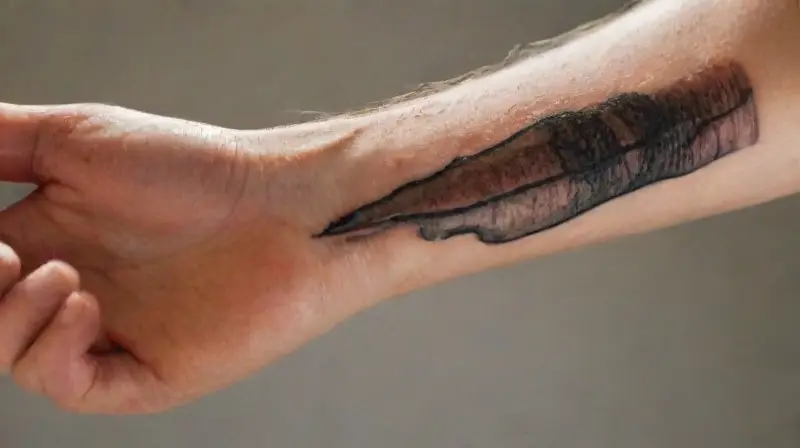
Beyond immediate infection risks, poor tattooing practices can cause chronic health issues. Allergic reactions to inks or inks contaminated with toxins may develop months or years after the procedure. These long-term effects highlight the importance of safe techniques.
Professional artists use high-quality, certified inks and follow sterile procedures to minimize such risks. They also offer advice on tattoo aftercare to promote safe healing and reduce potential health impacts.
Amateur practitioners may neglect post-tattoo care instructions or use subpar inks, increasing the likelihood of long-term health consequences. Awareness and proper guidance are crucial for safe tattooing.
Cost and Accessibility
Cost is a significant factor influencing where people get tattoos. Professional tattooing, while more expensive, offers assurance of safety and quality. Licensed artists spend substantial resources on equipment, training, and hygiene, which reflects in their pricing.
Amateurs often offer lower prices, making their services more accessible to a wider audience. However, the trade-off is usually compromised safety standards and increased infection risks. Budget-friendly options may not be worth potential health complications.
Access to professional tattoo studios can be limited in some regions, pushing individuals towards amateur practitioners. Public health campaigns often emphasize that investing in qualified professionals is essential for minimizing infection hazards.
Conclusion
In summary, the risks associated with amateur tattooing are significantly higher compared to professional procedures. The lack of formal training, inadequate sterilization, and poor hygiene practices all contribute to an increased likelihood of infection and other health complications.
Choosing a licensed professional ensures adherence to strict safety and hygiene standards, safeguarding the health of clients. While cost and accessibility are considerations, prioritizing safety is crucial for a positive and complication-free tattoo experience.