Tattoo removal has become increasingly popular as many individuals seek to erase or modify their body art. However, the process isn’t always as straightforward as it seems, and improper techniques can lead to serious health complications. Many people underestimate the risks associated with DIY or unprofessional tattoo removal methods, often unaware of the potential hazards involved.
Infections are among the most common and concerning side effects of incorrect tattoo removal procedures. When performed without proper sterilization or medical oversight, the risk of bacteria entering the skin escalates significantly. This can lead to not only temporary discomfort but also long-term medical issues if untreated.
Lack of Sterilization and Hygiene
Improper tattoo removal often involves non-sterile equipment that introduces bacteria into the skin. This lack of proper hygiene creates an ideal environment for infections to develop. Many individuals opt for home remedies or unqualified practitioners who may neglect essential sterilization protocols.
Using contaminated tools can lead to bacterial, fungal, or even viral infections. The skin, being a natural barrier, becomes compromised with improper removal techniques, making it easier for pathogens to invade. This increases the chance of developing abscesses or cellulitis, which require medical treatment.
In addition to infection risks, poor hygiene may result in scarring or pigmentation changes. These cosmetic issues often worsen the original problem, leading to further dissatisfaction and health concerns. Proper sterilization measures are crucial to promote safe healing and avoid complications.
Types of Infections Resulting from Improper Removal
When tattoo removal is conducted improperly, various infections can arise. Bacterial infections such as staphylococcus or streptococcus are common and can cause redness, swelling, and pus formation. If untreated, these infections can spread and become more severe.
Viral infections, although less common, are also a concern, especially if equipment has been contaminated with hepatitis or herpes viruses. These infections can cause long-lasting health issues and are often transmitted through unsterile tools or contaminated blood. Proper precautions are essential to prevent their transmission during removal procedures.
Fungal infections may also develop when the skin’s protective barrier is compromised. These infections tend to cause persistent itching, rash, and irritation. Recognizing the signs early and seeking medical attention is vital to prevent spread and facilitate effective treatment.
Symptoms and Signs of Infection
The appearance of pus, foul odor, or increasing pain signals a probable bacterial infection. Fever may also occur if the infection becomes systemic, requiring urgent medical care. Noticing these symptoms early helps in managing infections before they worsen.
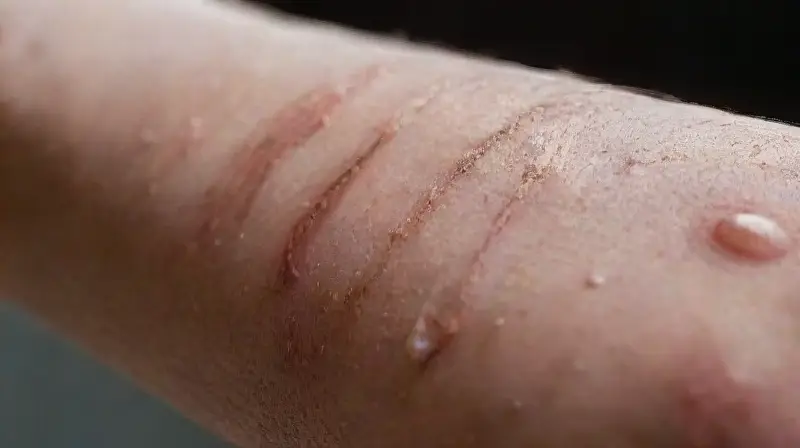
Other signs include skin discoloration, blister formation, and unexplained systemic feelings of malaise or tiredness. If any of these symptoms are present following a removal procedure, it is crucial to consult healthcare professionals promptly to prevent complications.
Long-term Health Consequences
Infections resulting from improper tattoo removal can have lasting health repercussions. Chronic skin infections may lead to scarring, pigmentation changes, and tissue damage that are difficult to reverse. These issues can affect the skin’s appearance and flexibility long after healing.
In some cases, untreated infections may spread to deeper tissues, causing cellulitis or abscess formation. Such conditions may require surgical intervention and prolonged antibiotics, adding to the medical burden. The risk of systemic infection, including sepsis, is also a concern in severe cases.
Moreover, these complications can impact mental health, with individuals experiencing lower self-esteem or psychological distress due to disfigurement or ongoing discomfort. Prevention through proper procedures is key to safeguarding overall health and well-being.
Prevention and Safe Practices
Additionally, proper aftercare is vital for minimizing infection risks. Keeping the treated area clean, avoiding exposure to dirt or contaminated water, and following medical advice help ensure safe healing. If any adverse signs appear, prompt consultation with healthcare providers is essential.
Education about the risks associated with improper removal can empower individuals to make informed decisions. Choosing safe, professional options and maintaining good personal hygiene are the best strategies to prevent infections and associated health complications.
Types of Removal Techniques and Their Risks
Various tattoo removal techniques exist, including laser, surgical excision, and chemical methods. Each method carries specific risks, particularly when performed improperly or by inexperienced practitioners.
Laser removal is generally safe when conducted by trained professionals; however, improper settings or techniques can cause skin burns, scars, or unintended pigment changes. Surgical excision involves cutting out inked tissue and requires sterile conditions to prevent infection. Chemical methods may involve acids or other substances that, if misused, can damage surrounding tissue and lead to infections.
Understanding the risks associated with each technique underscores the importance of seeking expert healthcare providers. This reduces the chances of complications such as infections and ensures more effective and safer removal outcomes.
Infections from improper tattoo removal can pose serious health threats that extend beyond temporary discomfort. Whether caused by unsterile equipment, inadequate aftercare, or unqualified practitioners, these infections can lead to long-term skin damage and systemic complications.
Taking necessary precautions, such as consulting licensed professionals and adhering to recommended aftercare, is crucial for safe tattoo removal. Promoting education and awareness around the risks of improper methods helps individuals make informed decisions and avoid medical complications.
Ultimately, prioritizing safety and hygiene during tattoo removal not only minimizes infection risks but also preserves the skin’s health and appearance. Investing in professional, well-regulated services ensures a safer experience and promotes overall well-being.