The tattoo industry has experienced significant transformation over recent years, largely driven by advances in technology. Modern tools and devices have revolutionized how artists create intricate and lasting designs, making the process safer, more efficient, and increasingly precise. As a result, both artists and clients benefit from improved experiences and outcomes.
Furthermore, technological innovations are expanding the possibilities within tattooing, allowing for more creative experimentation and customization. From digital design interfaces to advanced ink formulations, the integration of technology continues to elevate the art form and its standards of quality and safety.
Digital Design Tools
Digital design tools have become essential for contemporary tattoo artists, enabling them to create highly detailed and precise sketches before ever touching the skin. Software such as Adobe Photoshop or Procreate allows artists to experiment with colors, shading, and layouts effortlessly. This technology ensures that both the artist and client are aligned on the final vision, reducing misunderstandings during the actual tattooing process.
These tools also support customization, giving clients the opportunity to visualize their tattoo in real-time. Artists can modify designs instantly, making adjustments based on client feedback without needing to start from scratch. The result is a more collaborative and satisfying experience for all parties involved.
Moreover, digital portfolios and social media platforms help artists showcase their work globally. This widespread availability of digital content promotes inspiration, education, and networking within the tattoo community, fostering innovation and artistic growth.
Advanced Tattoo Machines
Modern tattoo machines are now equipped with smart features that improve precision and comfort. Many devices include adjustable needle configurations, customizable power settings, and ergonomic designs that reduce fatigue for artists during long sessions. This level of control enhances the quality of the final tattoo and ensures consistent results.
Electric tattoo machines have also benefited from technological improvements such as wireless connectivity and digital controls. These advancements allow artists to tailor their approach to each client’s skin type and desired style more effectively. Such innovation leads to faster sessions with a higher degree of accuracy.
Additionally, some companies are developing needle technology with greater durability and sharper tips. This results in cleaner lines and more detailed shading, elevating the overall standard of modern tattoo work. As technology continues to evolve, tattoo machines will likely become even more sophisticated and user-friendly.
Ink and Color Innovation
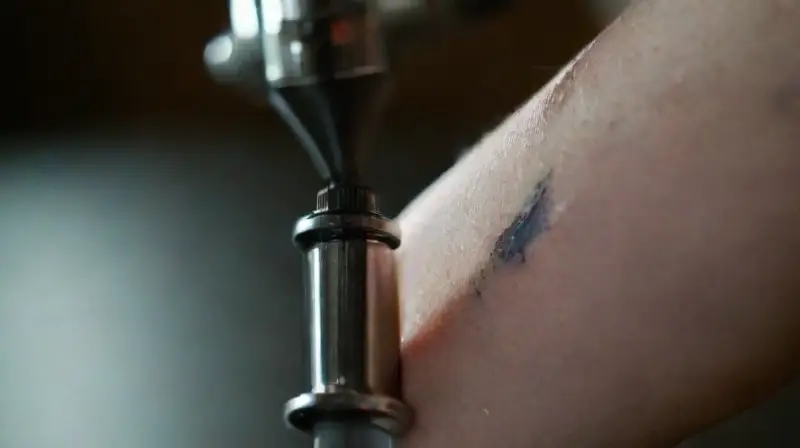
The development of new ink formulations has been a direct consequence of technological progress. Modern inks feature enhanced stability and vibrancy, maintaining brightness over time and reducing the risk of allergic reactions. These advances ensure that tattoos remain vivid and safe for future wearers.
Color blending techniques have also benefited from digital and chemical innovations, allowing for smoother gradations and more nuanced hues. Artists now have a broader palette of accessible colors that can be mixed and matched more effectively, resulting in unique and personalized designs.
Moreover, research into environmentally friendly and biodegradable inks is gaining momentum. These eco-conscious options are safer for both clients and the environment, aligning with global sustainability goals while maintaining high-quality artistic standards.
Sterilization and Hygiene Practices
Technological developments are crucial in enhancing safety standards within tattooing environments. Autoclaves and ultrasonic cleaners now provide more reliable sterilization of equipment, significantly reducing infection risks. These tools ensure that all reusable instruments are sanitized thoroughly before use.
Digital monitoring systems can log sterilization cycles, offering traceability and compliance with health regulations. Such innovations promote transparency and accountability within studios, reassuring clients about safety practices.
Furthermore, disposable and single-use devices are increasingly preferred, driven by technological advancements in manufacturing. These practices minimize cross-contamination, leading to cleaner, safer tattooing procedures and higher client confidence.
Laser and Touch-Up Technology

Laser technology plays a vital role in tattoo removal and color correction, expanding options for clients seeking modifications or removal. Modern lasers can target specific ink colors with high precision, reducing skin damage during the process. This advancement offers safer and more effective removal options than ever before.
Laser devices also support in tattoo touch-ups and repairs, allowing artists to enhance or modify existing tattoos without starting anew. This flexibility enables clients to update their designs conveniently, fostering longevity and satisfaction.
As laser technology becomes more portable and affordable, tattoo studios can incorporate in-house removal services. This convenience enhances client trust and broadens the scope of services offered.
Wearable and Implantable Technologies
Emerging innovations include wearable devices that monitor tattooing parameters such as needle pressure and ink flow. These tools can assist artists in maintaining consistency and quality during complex or lengthy sessions.
Research is underway into implantable devices that could enable dynamic tattooing—tattoos that change color or display information electronically. While still in experimental stages, such technology promises a futuristic approach to body art.
These advancements could redefine how tattoos are experienced and interacted with, blending aesthetic expression with biotechnology to unlock new realms of creative possibilities.
Conclusion
The integration of technology into the tattoo industry has revolutionized the way artists create, apply, and maintain body art. From digital design software to advanced ink formulations and safety equipment, these innovations are driving higher standards of quality, safety, and creativity. As this trend continues, clients can expect more personalized and imaginative tattoos delivered more efficiently and securely.
Looking ahead, continued technological progress promises to further expand the boundaries of tattoo artistry. New tools and materials will likely emerge, offering even greater options for expression and customization. Overall, technology is set to remain a powerful catalyst in shaping the future of modern tattooing, enriching both the craft and the experience for everyone involved.