Horror and Gothic-inspired tattoo styles have gained significant popularity among enthusiasts seeking bold and dark artistic expressions. These designs often explore themes of mystery, mortality, and the supernatural, making them ideal for those who wish to convey a sense of darkness and intrigue through body art. The intricate details and powerful symbolism of these styles create a captivating aesthetic that stands out from more traditional tattoo work.
For many, these tattoos serve as a visual narrative of personal experiences or beliefs relating to life, death, or the unknown. The Gothic and horror motifs often incorporate elements such as skulls, bats, demons, and haunted landscapes, which evoke emotions of fear, awe, and fascination. This genre of tattoo art allows for a unique blend of horror imagery with artistic creativity, making each piece a personal masterpiece.
The Origins of Horror and Gothic Tattoo Art
The roots of horror and Gothic tattoo styles can be traced back to earlier artistic movements that emphasize dark themes and somber aesthetics. Historically, Gothic art emerged in medieval Europe, characterized by its grandeur and mysterious beauty, often depicting icons of death and the supernatural. These motifs found their way into tattoo culture as enthusiasts sought to replicate the dramatic impact in their body art.
In the modern era, horror-inspired tattoos became influenced by popular culture, including horror movies, comics, and underground art scenes. Artists incorporated creepy creatures like zombies, monsters, and haunted houses, transforming traditional tattoo techniques into darker, more elaborate designs. This evolution reflects a desire to push artistic boundaries and explore taboo themes through ink.
Today, horror and Gothic tattoo styles are recognized for their rich symbolism and detailed execution. They blend historical Gothic motifs with contemporary horror imagery, creating a hybrid aesthetic that appeals to a broad audience. The combination of these elements continues to inspire new designs and innovations within the tattoo community.
Key Motifs in Horror Tattoos
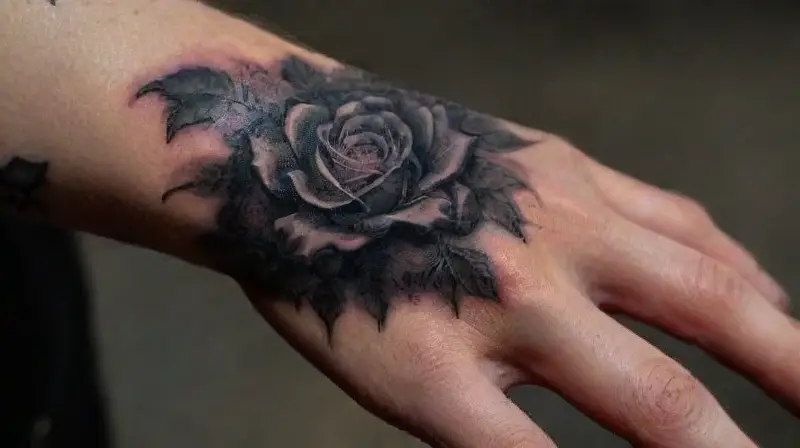
Common motifs found in horror tattoos include skulls, which symbolize mortality and the fleeting nature of life. Skulls are often combined with roses or other floral elements to emphasize the contrast between life and death. They are versatile symbols that can convey messages ranging from rebellion to remembrance.
Other popular motifs include demons and monsters, representing our fears or fascination with the unknown. These creatures are frequently depicted with exaggerated features and terrifying expressions, adding intensity to the tattoo. They often serve as protective symbols or warnings, depending on the cultural context.
Haunted landscapes and graveyard scenes are also prevalent, creating a sense of eerie atmosphere. These backgrounds enhance the storytelling aspect of horror tattoos, immersing the viewer in a narrative of darkness and decay. Such motifs evoke emotional responses and deepen the symbolic meaning of the design.
Style and Technique: Achieving the Gothic Aesthetic
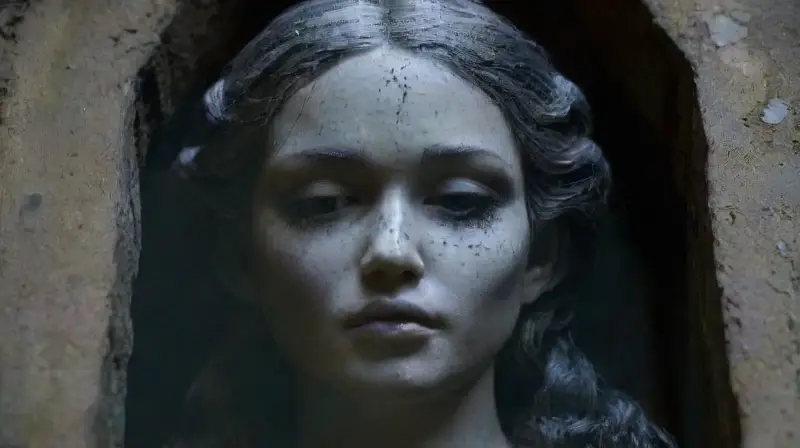
Creating a gothic or horror-inspired tattoo requires a mastery of specific techniques to achieve the desired dark and intense look. Artists often utilize bold black lines and shading to produce dramatic contrasts and depth. This approach emphasizes the sinister atmosphere inherent in these styles.
Textures play a crucial role in enhancing the visual impact. Artists might incorporate rough shading, stippling, or cross-hatching to create a sense of decay, shadow, or gloom. These techniques add realism and moodiness, making the designs more immersive and visceral.
Color choice is also significant; although many horror tattoos are black and grey for their timeless and somber effect, incorporating reds or muted tones can heighten feelings of bloodiness, violence, or decay. The careful combination of technique and color enables artists to craft tattoos that are striking and emotionally resonant.
Popular Placement and Design Ideas
Horror and Gothic tattoos often suit certain placements that maximize their visual impact, such as the arms, chest, or back. Larger canvases allow for detailed storytelling and expansive scenes, while smaller designs can focus on iconic motifs like a skull or a demon.
Some popular design ideas include full-sleeve monsters battling undead creatures or back pieces depicting haunted castles under a full moon. These elaborate scenes create immersive narratives and showcase the artist’s skill. Additionally, smaller, Grim Reaper or zombie motifs are frequently chosen for tattoos on the wrist or ankle, serving as discreet yet powerful symbols.
The versatility of horror and Gothic styles allows for personalized customization. Clients can select themes that resonate personally—whether it’s an homage to classic horror films or a symbolic representation of their inner fears. Collaborating with artists ensures the final design aligns with the individual’s aesthetic vision.
Cultural Influences and Modern Trends
Horror and Gothic tattoo styles are heavily influenced by various cultures and historical periods. Victorian Gothic architecture and literature often inspire intricate patterns and motifs, infusing designs with a sense of grandeur and nostalgia. Additionally, different cultures incorporate unique symbolism, such as Japanese skull art or Celtic demons, enriching the tattoo narrative.
Modern trends have introduced new elements, such as zombie apocalypses or cyber-Goth motifs, blending traditional themes with contemporary aesthetics. The rise of pop culture influences like horror movies, comics, and video games continues to push the boundaries of these styles. This fusion results in dynamic, evolving tattoo art that stays relevant and innovative.
Social media platforms also play a significant role in popularizing horror and Gothic tattoos, showcasing remarkable works and inspiring new ideas. As artists experiment with digital tools and bold color palettes, the genre continues to grow more diverse and vibrant. This ongoing evolution ensures that horror and Gothic tattoos remain a compelling form of self-expression.
Care and Longevity of Gothic and Horror Tattoos
Proper aftercare is essential for maintaining the vividness and clarity of horror tattoos. Because these designs often involve intricate details and bold contrast, caring for the tattoo prevents fading and preserves the sharpness of lines. Artists typically advise keeping the tattoo moisturized, avoiding excessive sun exposure, and following specific cleaning routines during healing.
The longevity of such tattoos can be influenced by the skill of the artist and the quality of the ink used. Well-executed Gothic and horror designs tend to age gracefully if properly cared for, with minimal loss of detail over time. Touch-ups may be needed to restore original vibrancy and ensure the design remains impactful.
Additionally, adopting good skin care habits and protecting the tattoo from UV rays will prolong its appearance. Since horror and Gothic styles often emphasize dark shading and fine line work, maintaining the structural integrity of the ink is crucial. With proper attention, these tattoos can remain striking for many years as a testament to the wearer’s unique aesthetic.
Conclusion
Horror and Gothic-inspired tattoo styles offer a captivating blend of dark symbolism, intricate artistry, and personal storytelling. They provide a powerful means for individuals to express their fascination with the supernatural, mortality, and the mysterious aspects of life. The ongoing evolution of these styles continues to inspire both artists and enthusiasts, pushing creative boundaries and exploring new themes.
Ultimately, these tattoos serve as a reflection of inner emotion and identity, transforming skin into a canvas of dark beauty. Whether depicting haunting landscapes or terrifying characters, horror and Gothic tattoos are unarguably a bold statement of personal style and artistic appreciation. Their enduring appeal lies in their ability to evoke emotional responses while showcasing remarkable craftsmanship.