In recent years, piercing has evolved beyond mere adornment to become a powerful form of self-expression. As part of a broader cultural movement, individuals use body modifications to communicate their identities, beliefs, and affiliations. This shift reflects a growing desire for authenticity and personal uniqueness in a modern world increasingly driven by social media and digital interaction.
Moreover, contemporary piercings often carry symbolic meanings rooted in cultural traditions or personal narratives. They serve as markers of life milestones, subcultural memberships, or spiritual connections. Understanding these symbolic elements helps illuminate why piercing remains a significant form of cultural expression worldwide.
Historical Significance of Piercing
Historically, piercing has played a vital role in numerous cultures across the globe. In many societies, body modifications functioned as rites of passage, symbolizing maturity, bravery, or social status. For example, certain African tribes used facial and body piercings to denote rebellion or heroism.
Throughout history, piercing also acted as a spiritual or ritualistic practice. Religious beliefs often intertwined with body modifications, serving as a form of devotion or protection. These historical traditions have laid the groundwork for contemporary trends, blending age-old symbols with modern fashion.
Modern Piercing and Cultural Identity
Today, piercing is frequently used to showcase cultural identity and heritage. Many individuals choose specific jewelry or piercing placements that reflect their ethnic backgrounds or ancestral roots. This practice fosters a sense of pride and connection to one’s origins.
In addition, piercing serves as a tool for subcultural affiliation. Punk, goth, and other alternative groups often incorporate distinctive styles into their body modifications to signify belonging. These symbols help build community and express resistance against mainstream norms.
Piercing as a Personal Statement
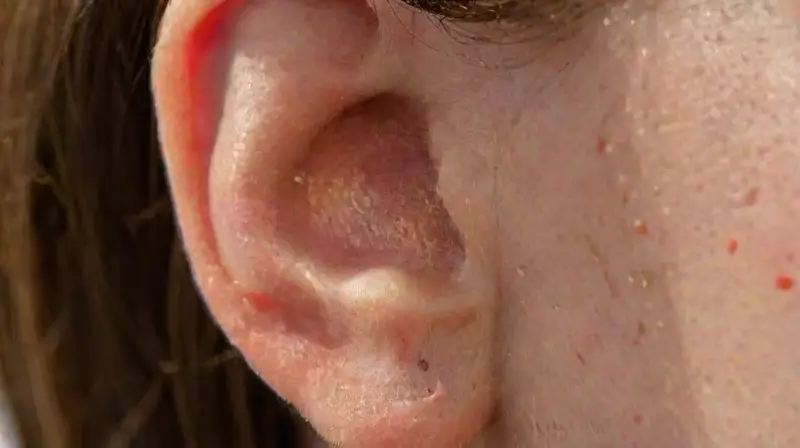
In contemporary society, piercings have become a powerful means to articulate personal values. People select symbolic jewelry that represents important ideals, beliefs, or experiences. For example, a piercing might commemorate overcoming a challenging life event or celebrate a personal achievement.
Furthermore, many individuals view piercing as a form of empowerment. By altering their bodies, they reclaim control over their physical space and challenge conventional beauty standards. This act of self-determination underscores the deep connection between body art and personal identity.
Religious and Spiritual Symbols
Religious and spiritual motifs frequently influence piercing choices today. Certain piercings are performed to align with spiritual beliefs or to seek protection. For instance, nose piercings in Hindu traditions symbolize marriage or spiritual devotion.
In some cultures, specific piercings serve as sacred symbols, representing divine connection or spiritual purity. Modern practitioners sometimes incorporate such motifs into their designs to express their spiritual journeys.
Cultural Appropriation and Sensitivity
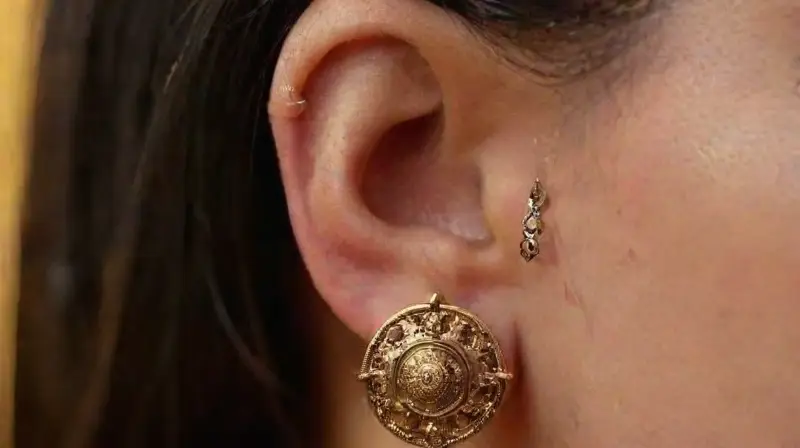
As piercing styles become globalized, conversations around cultural appropriation grow more relevant. Adopting symbols or styles without understanding their origins can lead to misrepresentation or disrespect. It is crucial to approach cultural elements with respect and awareness.
Many advocates emphasize the importance of education in appreciating the significance behind particular symbols. Respectifully incorporating culturally meaningful elements can foster intercultural understanding rather than superficial trends.
Ethical Considerations in Symbolic Piercing
Choosing piercings with cultural symbolism carries ethical responsibilities. Artists and clients should research the significance of specific designs to avoid trivialization. Failing to do so can perpetuate stereotypes or cultural insensitivity.
Additionally, there is an increasing call for collaborations with cultural communities to ensure respectful representation. Ethical piercing practices prioritize respect for the symbols’ original meaning and the communities they originate from, promoting a more inclusive approach to body art.
Conclusion
Cultural symbols have become an integral part of contemporary piercing trends, bridging personal identity with broader cultural narratives. These body modifications serve as powerful markers of heritage, beliefs, and social belonging, enriching the significance of each piercing.
As the practice continues to grow globally, it’s essential to approach symbolic piercing with sensitivity and respect. By doing so, individuals and artists can honor the rich histories behind these symbols and promote a more inclusive and understanding body art culture.