Tattooing has become an increasingly popular form of self-expression and art across the globe. As people seek to commemorate special moments or showcase their personalities through permanent ink, many may overlook the potential risks involved in the process. One significant concern is the possibility of bacterial infections resulting from tattooing procedures.
These infections can range from mild skin irritations to severe health complications. Understanding how they occur and the measures to prevent them is crucial for both practitioners and clients to ensure a safe and positive experience. Proper sanitation, hygiene practices, and awareness are key components in minimizing these risks.
The causes of bacterial infections in tattooing
Bacterial infections during tattooing typically arise from contaminated equipment or inadequate hygiene practices. Unsanitized needles and ink containers can introduce harmful bacteria directly into the skin, leading to infection.
Moreover, poor hygienic standards in tattoo studios, such as unsterilized tools or improper glove usage, significantly increase the risk. Visitors or staff who do not follow strict cleanliness protocols can inadvertently transmit bacteria, emphasizing the importance of regulated procedures and trained personnel.
Environmental factors, such as contaminated surroundings or personal hygiene habits of clients, can also contribute to bacterial infection development. Awareness of these factors is essential to prevent potential health issues associated with tattoos.
Common bacteria responsible for infections
Several bacteria are known to cause infections linked to tattooing, with Staphylococcus aureus being one of the most prevalent. This bacterium can cause a variety of skin infections, including abscesses and cellulitis, especially when introduced through broken skin.
Another common pathogen is Pseudomonas species, which thrive in moist environments and can lead to folliculitis or more severe skin conditions if it infects tattooed areas. These bacteria often originate from contaminated water or equipment.
Mycobacteria, particularly non-tuberculous strains, are also associated with tattoo-related infections. They tend to cause delayed skin reactions that may be mistaken for allergic responses, making diagnosis trickier but equally serious.
Symptoms and signs of infection
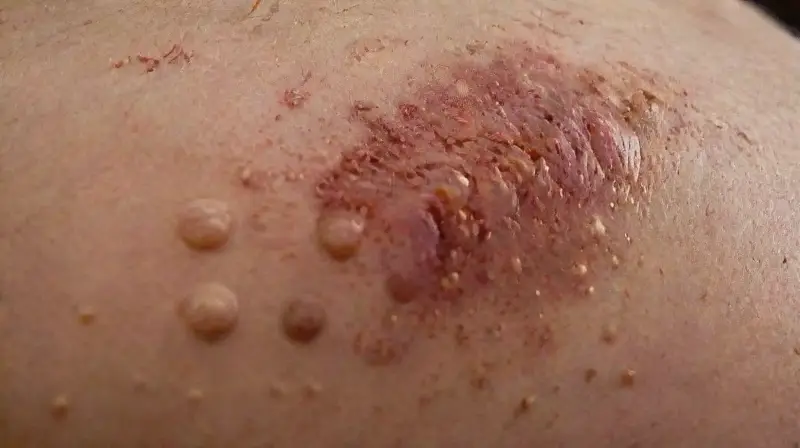
Infections following tattooing can manifest with a variety of symptoms. Swelling, redness, and tenderness around the tattooed area are typical initial signs that may indicate bacterial invasion.
As the infection progresses, individuals might notice pus formation, increased warmth, and the development of scabs or blisters. Fever and general malaise can also be present, especially in more severe cases, signaling systemic involvement.
Early recognition of these signs is vital for prompt treatment. Delayed care can lead to complications like persistent infections, scarring, or the spread of bacteria to other parts of the body.
Prevention measures
Prevention of bacterial infections starts with choosing a reputable tattoo studio that adheres to strict sterilization standards. Ensuring tools are properly sterilized and disposable needles are used is fundamental.
Clients should confirm that tattoo artists follow hygienic practices, including wearing gloves, disinfecting skin before tattooing, and using sanitized equipment. Personal hygiene before and after the procedure also plays a vital role in reducing infection risks.
Post-tattoo care, such as keeping the area clean and avoiding contaminated environments, can prevent bacterial colonization. Educating clients about proper aftercare is an essential part of infection prevention strategies.
Treatment options and management
When bacterial infection is suspected, prompt medical attention is necessary. Doctors typically prescribe topical or oral antibiotics depending on the severity and causative bacteria involved.
In cases where abscesses or significant tissue damage occur, surgical drainage might be required. Pain relief and anti-inflammatory medications can help manage symptoms during recovery.
Preventing complications is crucial, so adhering to medical advice, maintaining hygiene, and completing prescribed treatments are necessary steps for effective management and healing.
Legal regulations and standards
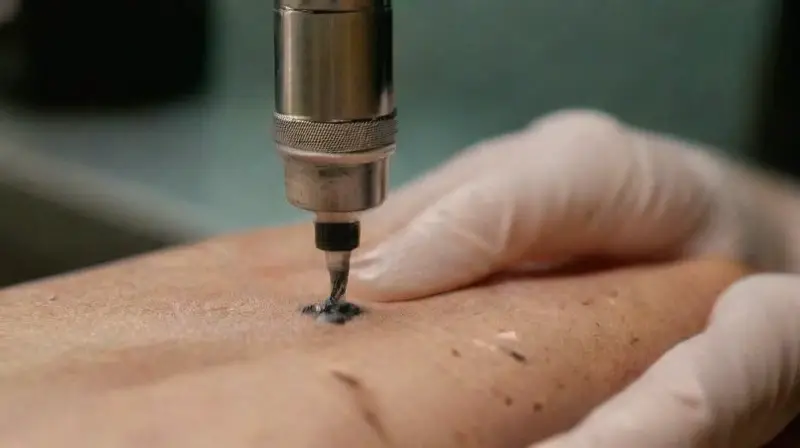
Many countries have established regulations governing tattoo practices to ensure customer safety. These laws often include requirements for sterilization, staff training, and regular inspections.
Adherence to these standards reduces the risk of bacterial infections and other health issues. Tattoo studios found non-compliant with regulations may face penalties, closures, or legal actions to protect public health.
Industry associations also promote best practices and certifications, encouraging practitioners to uphold the highest safety standards. Consumers are advised to verify the credentials and compliance of their chosen studios before proceeding.
Emerging concerns and future outlook
As tattoo popularity continues to grow, so does the concern around associated health risks, including bacterial infections. Advances in sterilization technology, ink formulations, and training aim to minimize these risks.
Research into safer techniques, disposable equipment, and better client education contribute to improving overall safety standards. Public awareness campaigns about infection prevention are vital as the industry evolves.
Looking ahead, stricter regulations and technological innovations promise to make tattooing a safer practice globally. Continued vigilance, combined with scientific progress, will help reduce the incidence of infection and enhance the safety of tattoo procedures.
Conclusion
Bacterial infections remain a significant concern in the tattooing industry, underscoring the importance of rigorous hygiene and safety measures. Both practitioners and clients share the responsibility of adhering to best practices to minimize risks and promote health.
By understanding the causes, symptoms, prevention, and treatment of these infections, the industry can continue to evolve toward safer standards. Through ongoing education, regulation, and technological improvement, the goal of completely eliminating tattoo-related bacterial infections becomes increasingly attainable.