Tattoos have become a widely popular form of self-expression, allowing individuals to showcase their personality and beliefs in a permanent way. However, despite their popularity, some people experience adverse reactions following tattooing procedures. Among these, allergic responses are notable because they can cause ongoing discomfort and may require medical interventions.
Understanding the causes and symptoms of allergic reactions associated with tattoo ink is essential for both artists and clients. Recognizing the risks allows for better precautions and helps manage any reactions that occur after getting a tattoo, ensuring safety and satisfaction in the tattooing experience.
Composition of Tattoo Ink and Allergic Reactions
Tattoo ink contains a mixture of pigments, carriers, and additives that give the ink its color and consistency. These components can sometimes contain allergens, especially in certain vibrant or synthetic pigments. When introduced into the skin, these substances may trigger immune responses in sensitive individuals.
Allergic reactions can vary from mild irritation to severe dermatitis. The reaction depends on the person’s immune system and the specific chemical makeup of the ink. Some colors, particularly red, yellow, and green, are more commonly associated with allergy issues.
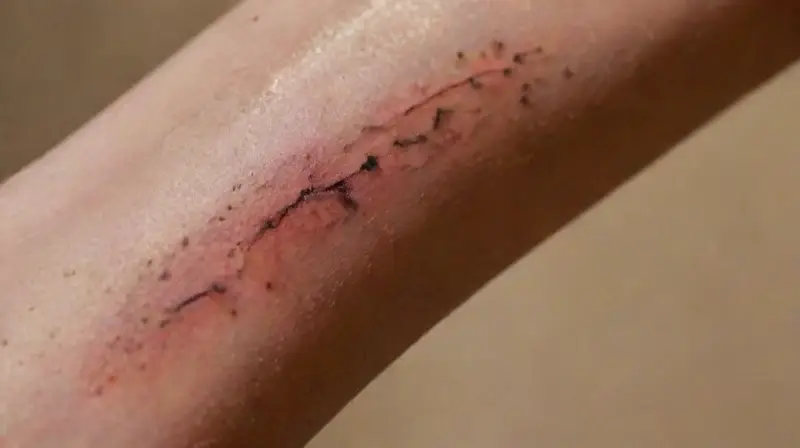
The immune system perceives certain pigments as foreign invaders, leading to a hypersensitive response. This response results in symptoms like redness, swelling, itching, and sometimes blistering at the tattoo site. In some cases, reactions can be delayed, appearing weeks or even months after the tattooing.
Common Signs and Symptoms of Allergic Tattoos
Individuals experiencing an allergic reaction may notice persistent redness and swelling around the tattoo. Itching is a common symptom and can be intensely uncomfortable, particularly if the reaction is severe.
In more serious cases, allergic reactions can cause the development of granulomas or nodules—small lumps that form around the pigments. These can be tender and sometimes disfiguring, leading to the need for medical treatment.
Another sign of an allergic response is the occurrence of dermatitis, characterized by red, inflamed, and scaly skin. The symptoms may worsen when exposed to sunlight or certain allergens, exacerbating discomfort for the individual with the tattoo.
Factors Increasing the Risk of Allergic Reactions
Certain individual factors can make someone more prone to developing allergies to tattoo ink. Personal history of allergies or skin sensitivities increases the risk of adverse responses following tattooing.
The type of ink used also plays a significant role. Synthetic or imported pigments are more likely to cause allergic reactions compared to natural or traditional inks. The quality and purity of the components are crucial in minimizing risk.
Additionally, procedure-related factors, such as improper sterilization and technique, can lead to increased inflammation and secondary infections, compounding the risk of allergic responses. Proper training and hygiene are vital in reducing such complications.
Diagnosis and Medical Evaluation
When an allergic reaction is suspected, it is important to consult a healthcare professional for proper evaluation. The doctor will typically perform a physical examination and review the individual’s medical history.
Patch testing is a common diagnostic method used to identify specific allergens responsible for the reaction. During this test, small amounts of different ink components are applied to the skin to observe responses over several days.
In some cases, a biopsy of the affected skin may be necessary to rule out infections or other conditions mimicking allergy. Correct diagnosis helps tailor appropriate treatment and advises on future tattooing prospects.
Treatment Options for Allergic Tattoo Reactions
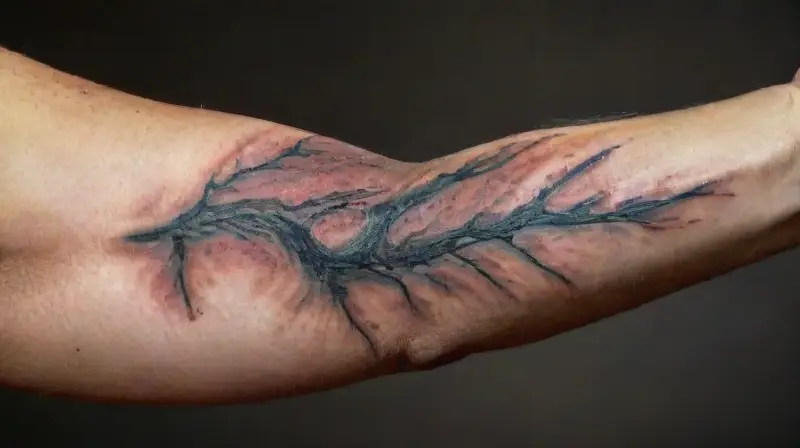
Treating allergic reactions to tattoo ink often begins with topical therapies, such as corticosteroid creams, to reduce inflammation and itchiness. These treatments can be effective for mild reactions.
For more persistent or severe reactions, antihistamines can help control allergic symptoms. In some cases, systemic corticosteroids are prescribed to suppress the immune response and alleviate discomfort.
In cases where reactions are persistent or severe, laser removal of the tattooed area may be considered. This process breaks down the pigments, allowing the body to remove them naturally. However, this approach requires careful assessment to avoid further complications.
Preventive Measures and Tips
Prevention begins with selecting a professional tattoo artist experienced in working with allergic clients. Discussing allergies beforehand helps in choosing inks with less allergenic potential.
Conducting a patch test before getting a large tattoo can help identify prior reactions to specific inks. Additionally, opting for hypoallergenic inks or natural pigments may reduce risks.
Post-tattoo care is equally important; keeping the area clean, moisturizing, and avoiding irritants can promote proper healing and prevent allergic reactions. Regular monitoring of the tattoo for any signs of inflammation is also crucial.
Conclusion
Allergic responses to tattoo ink are a significant concern that can affect an individual’s health and the appearance of their tattoo. Understanding the composition of ink and the signs of reactions enables better prevention and management.
With proper precautions, including thorough consultation, testing, and aftercare, most allergic reactions can be minimized or effectively treated. Being informed helps individuals enjoy the art of tattooing while safeguarding their health and well-being.