UV tattoos, also known as blacklight or glow-in-the-dark tattoos, are a fascinating trend in the world of body art. These tattoos are created using special inks that are invisible under regular light but glow vibrantly under ultraviolet light. This unique feature makes UV tattoos highly sought after by individuals looking for something distinctive and eye-catching. As they gain popularity, many are intrigued by how these tattoos transform under different lighting conditions.
The allure of UV tattoos lies in their ability to subtly blend into the skin during the day while revealing a stunning glow at night. Artists around the world are experimenting with various designs that utilize these special inks to create dynamic and memorable images. For many enthusiasts, UV tattoos offer the perfect combination of discretion and drama, allowing for personal expression that can be hidden or flaunted as desired.
The Science Behind UV Tattoos
UV tattoos are made using special inks containing phosphorescent or fluorescent pigments. These pigments react to ultraviolet light by emitting a bright, luminous glow. Unlike traditional tattoo inks, which are visible under all lighting conditions, UV inks remain invisible or barely visible until exposed to black lights or UV rays.
The process of creating a UV tattoo involves injecting these inks into the skin with a needle, similar to standard tattooing techniques. Skilled tattoo artists select designs that will be enhanced by the glow effect, often opting for intricate, subtle, or mysterious patterns. The chemistry behind the inks ensures that the glow remains vibrant for a limited period before gradually fading over time.
While UV tattoos are generally safe, it’s crucial to ensure the inks used are approved and tested for tattooing. Not all UV inks are created equal, and some may pose allergic or health risks. Consulting a professional artist experienced in UV ink application is essential for a safe and successful experience.
Popular Design Ideas
Many choose UV tattoos to showcase unique designs that are both hidden and revealing. Cosmic and celestial motifs, such as stars or moons, transform when under black lights, creating a mesmerizing space scene on the skin. Others opt for abstract patterns that appear delicate during the day but blaze with vibrant colors at night.
For those interested in personal symbolism, UV tattoos can feature names or meaningful symbols that are discreet during daylight but dramatically highlighted in UV lighting. Skeleton and ghostly figures, often used in horror or Halloween themes, look especially haunting and spectacular under UV glow. Whether subtle or bold, these designs make a statement with their dual nature.
Some individuals prefer to blend UV ink with traditional tattoos to create dual-purpose artworks. This technique allows for tattoos that can be appreciated in everyday life and accentuated for special occasions or nightlife. The versatility of UV tattoos opens a world of creative possibilities for both artists and clients.
Choosing the Right Artist

Selecting a qualified tattoo artist experienced with UV ink is crucial for a safe and high-quality tattoo. Not all artists possess the skills or knowledge to work with these special inks, which require precise application methods to ensure the glow effect is vivid and long-lasting.
Before proceeding, it is wise to review portfolios showcasing previous UV work. Look for testimonials and reviews that highlight the artist’s professionalism and familiarity with UV tattooing. Proper sterilization and safety protocols are essential to prevent infections or complications.
Discuss your design ideas and expectations openly with your artist. This consultation ensures that the design will react well under UV light and that the placement aligns with your desired aesthetic. Remember that UV tattoos may require touch-ups over time to maintain their luminosity.
Aftercare for UV Tattoos
Proper aftercare is vital to preserve the glow and overall quality of a UV tattoo. During the healing process, it’s important to keep the tattoo clean and moisturized, avoiding exposure to excessive sunlight or UV light sources that could interfere with the healing process.
Since UV inks are more sensitive, individuals should avoid scrubbing or irritating the tattooed area. Wearing loose, breathable clothing and following the artist’s recommended instructions help prevent infection and ensure proper healing. Using sun protection during outdoor activities can also extend the tattoo’s vibrancy.
Long-term care involves moisturization and avoiding harsh chemical products that could degrade the inks. Periodic touch-ups might be necessary to maintain the intensity of the glow. Regularly inspecting the tattoo will help spot any fading or issues early, allowing for timely repairs.
Ethical and Legal Considerations
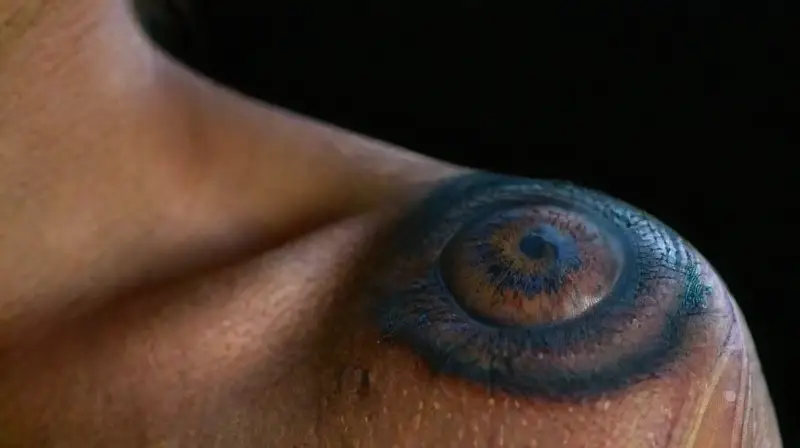
Because UV tattoos involve special inks and techniques, it’s essential to consider ethical standards within the tattoo industry. Not all inks marketed as UV-reactive are safe or approved, making it crucial to verify the materials used. Ensuring compliance with safety regulations protects both the artist and the recipient.
Legal regulations regarding the use of UV inks vary across regions. Artists must adhere to local laws concerning tattoo ink safety and disposal. Clients should also be aware of potential allergies or sensitivities and disclose any skin conditions before getting a UV tattoo.
Educating oneself about the possible risks and benefits enables a more informed decision. Consulting with medical professionals and experienced tattoo artists ensures that tattooing with UV inks remains a safe and enjoyable experience. Transparency and responsibility are key in this innovative form of body art.
The Future of UV Tattoos
As technology advances, so does the potential for more vibrant and durable UV tattoos. Researchers are working on new inks that emit brighter glow with longer lasting effects and improved safety profiles. These innovations promise to make UV tattoos more popular and accessible for a broader audience.
The integration of UV ink with other tattoo styles, such as watercolor or traditional designs, opens up creative new avenues for artists. Custom artwork that shifts between visible and glowing states allows for more personalized expression and versatility in body art.
In the coming years, UV tattoos are expected to become a more mainstream option for body art enthusiasts seeking something innovative and unforgettable. As awareness around safety and artistry grows, so will the appreciation for this luminous trend that captures attention in both subtle and spectacular ways.
Conclusion
UV tattoos are redefining the boundaries of body art with their mesmerizing glow and hidden meanings. They offer a unique way for individuals to express themselves, especially in nightlife and entertainment scenes. With proper care and a skilled artist, UV tattoos can be stunning, safe, and long-lasting pieces of personal art.
As this trend continues to grow, more innovative designs and safer inks will likely emerge, making UV tattoos even more appealing. Whether for a special occasion or everyday self-expression, these luminous tattoos are capturing attention and inspiring a new wave of creativity in body modification.