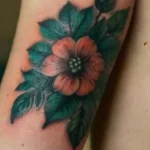
Monitoring skin reactions during the healing process is essential to ensure proper recovery and prevent complications. As the skin repairs itself after injury or treatment, it can exhibit various signs of irritation, inflammation, or allergic responses. Recognizing these signs early helps in timely management and minimizes the risk of scarring or infection.
Understanding the typical progression of skin reactions is crucial for both patients and healthcare providers. By observing changes in color, texture, and sensitivity, one can determine whether the healing process is proceeding normally or if intervention is needed. Vigilance during this period fosters better outcomes and promotes healthier skin recovery.
The Stages of Skin Healing
The skin healing process occurs in several overlapping stages, each with distinct features. Initially, the inflammatory stage involves redness, swelling, and warmth as the body responds to injury. This response aims to prevent infection and clear debris from the wound.
Following this, the proliferative stage sees new tissue formation, where the body generates collagen and new blood vessels. During this phase, the skin might appear pink or red and feel tender. The final maturation stage involves remodeling of tissue, leading to increased strength and often some degree of discoloration or scar formation.
Recognizing Early Signs of Abnormal Reactions
Early detection of abnormal skin reactions allows for prompt intervention. Key indicators include excessive redness that spreads beyond the wound, increasing swelling, or persistent pain. Such signs may suggest an infection or allergic response needing medical attention.
Other concerning symptoms are the appearance of pus, foul odor, or blistering. These indicators often point to bacterial infection or severe dermatitis. Noticing these early helps prevent progression to more serious complications and ensures appropriate treatment is administered.
Common Causes of Adverse Skin Reactions

Adverse skin reactions during healing can result from various factors. Allergic responses are often triggered by topical products, adhesives, or medications used during treatment. Identifying allergenic substances helps in avoiding future reactions.
Mechanical irritation due to frequent handling or friction can also cause inflammation. Furthermore, improper wound care—such as inadequate cleaning or exposure to contaminated environments—can increase the risk of infection and delayed healing.
Proper Monitoring Techniques
Effective monitoring involves regular visual inspections of the healing skin. Observing color changes, swelling, and texture provides valuable clues about progress. Using adequate lighting and magnification can enhance detection of subtle abnormalities.
Documenting observations helps track changes over time. Healthcare providers may also recommend photographic records to compare healing stages. This systematic approach supports early identification of issues and guides modifications in care strategies.
Managing Unusual Skin Reactions

When abnormal skin reactions are identified, appropriate interventions should be implemented promptly. Mild irritation may improve with topical treatments like corticosteroids or antihistamines. It’s important to follow medical advice to prevent escalation.
In more severe cases such as signs of infection or allergic dermatitis, additional measures like antibiotics or allergen avoidance might be necessary. Persistent or worsening reactions require consultation with healthcare professionals for tailored management plans to facilitate optimal healing.
Prevention Strategies
Preventing adverse skin reactions involves careful selection of skin care products and materials. Using hypoallergenic and non-irritating options reduces the risk of allergic responses. Cleanliness and proper wound hygiene are also fundamental to prevent infection.
Educating patients on proper wound care practices empowers them to recognize early warning signs. Regular monitoring and adherence to recommended treatment regimens are critical components in promoting safe and effective healing.
Conclusion
Monitoring skin reactions during the healing period is a vital aspect of ensuring successful recovery. Recognizing early signs of abnormal responses allows for timely intervention, reducing the risk of complications and scarring.
Ultimately, systematic observation and proactive management foster healthier skin and support the overall healing process. Patients and healthcare providers should work together to maintain vigilant surveillance and optimize outcomes during this critical phase.