Getting a tattoo can be an exciting way to express yourself and showcase your personality. However, choosing between a temporary and a permanent tattoo is an important decision that depends on various factors such as style, commitment, and lifestyle. Many people find themselves unsure about which option best suits their needs, especially if it’s their first time getting inked.
Understanding the differences between temporary and permanent tattoos can help you make an informed choice. Both types have their unique advantages and disadvantages, which should be carefully considered before making a decision. This article explores the pros and cons of each to guide you through the process.
Duration and Longevity
One of the main differences between temporary and permanent tattoos is their duration. Temporary tattoos typically last from a few days up to a couple of weeks. They are designed to fade gradually as your skin naturally exfoliates, making them ideal for short-term experimentation or special occasions.
In contrast, permanent tattoos are meant to last a lifetime. They are created by inserting ink into the deeper layers of the skin, making removal difficult and often costly. Because of this, they provide a more lasting form of self-expression but require careful consideration before getting inked.
The longevity of a tattoo can influence your decision based on how deeply you want to commit. If you’re uncertain about your preferences or want to test a design, a temporary tattoo might be the best choice. Conversely, if you have a meaningful symbol or phrase that you wish to carry forever, a permanent tattoo could be more appropriate.
Design Options and Flexibility
Temporary tattoos offer a wide range of design options that can be easily applied and removed. They often include vibrant colors, intricate patterns, and even photographic images, making them a versatile choice for fashion statements or creative expressions.
Since they are non-permanent, temporary tattoos allow for frequent updates and experimentation with different styles. You can switch designs as often as you like without any long-term commitment. This flexibility makes them popular among people who enjoy novelty and variety.
Permanent tattoos are equally capable of detailed and complex designs, but once inked, they can’t be changed or removed easily. You need to be certain of your design choice, as regretting a permanent tattoo can be a difficult and sometimes expensive process to rectify. Therefore, careful planning and consultation with a professional artist are essential.
Cost and Accessibility

The cost of temporary tattoos is generally much lower than that of permanent tattoos. Many temporary options are available over-the-counter, at a fraction of the price of a professional ink job. They can even be applied at home, making them accessible for most people without the need for appointments.
Permanent tattoos involve a significant financial investment, covering artist fees, studio charges, and aftercare products. The price varies depending on the size, complexity, and location of the tattoo, often ranging from hundreds to thousands of dollars. Additionally, the process requires multiple sessions and healing time.
Accessibility is another factor; temporary tattoos are easy to obtain and can be quickly applied, making them ideal for spontaneous decisions or limited budgets. Permanent tattoos require a visit to a reputable studio and a skilled tattoo artist, which may involve scheduling and preparation.
Pain and Healing
Getting a temporary tattoo is pain-free, as it involves no needles or invasive procedures. They are simply applied on the surface of the skin, making them a comfortable option for all age groups and skin sensitivities.
Permanent tattoos involve a needle puncturing the skin repeatedly to deposit ink into the dermis layer. This process can cause varying degrees of pain, depending on the placement and an individual’s pain tolerance. Some areas are more sensitive than others, and the procedure generally takes several hours for larger designs.
Healing of a permanent tattoo requires proper aftercare to prevent infection and ensure proper ink retention. During this time, the skin may be sore, swollen, or flaky, and it’s important to follow the artist’s instructions carefully. Temporary tattoos do not require any healing process and can be worn immediately.
Safety and Risks
The process of applying a permanent tattoo carries certain risks, such as infections, allergic reactions, or scarring, especially if done by an unlicensed technician or with unsterilized equipment. Choosing a reputable studio and following aftercare instructions can help minimize these risks.
Temporary tattoos are generally safe, as they do not involve skin puncturing or ink insertion. However, some adhesives or dyes used in certain products may cause skin irritation or allergies in sensitive individuals. Always check ingredient lists or perform a patch test beforehand.
For individuals with certain health conditions or compromised immune systems, permanent tattoos may pose additional risks. Consulting with a healthcare provider before getting inked is advisable. Temporary tattoos are usually a safer alternative for those concerned about potential health issues.
Personal Commitment and Future Considerations
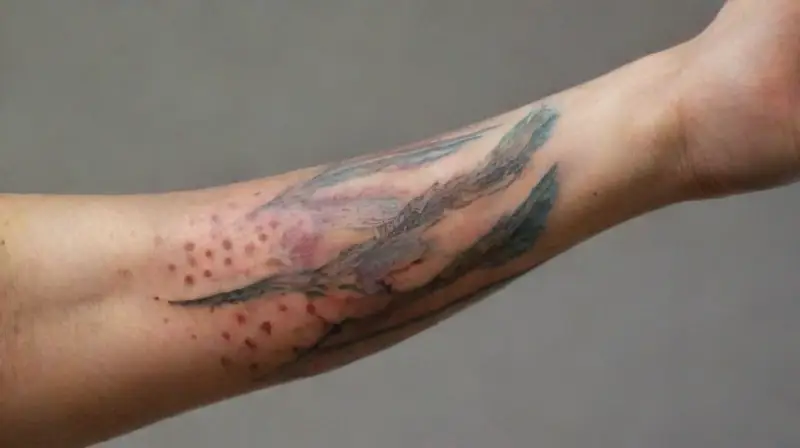
A permanent tattoo represents a long-term commitment to a design, message, or artwork. Once inked, removing or altering a permanent tattoo is difficult and expensive, often requiring laser removal or cover-up procedures.
On the other hand, temporary tattoos allow for easy changes and are ideal for people who enjoy experimenting with different styles or are unsure about a specific design. They provide the freedom to change or eliminate the tattoo at any time without lasting consequences.
Your decision should reflect your level of commitment and future plans. If you prefer flexibility and adaptability, a temporary tattoo offers the perfect solution. If you’re confident about a design and wish to carry it permanently, then a permanent tattoo might be the better choice.
Emotional and Social Impact
Getting a permanent tattoo can have significant emotional and social implications. It often symbolizes a meaningful experience, belief, or milestone in a person’s life, serving as a constant reminder or statement.
However, a permanent tattoo may also affect future opportunities or perceptions, depending on cultural or professional context. Some employers or social circles might view tattoos differently, so it’s important to consider these factors beforehand.
Temporary tattoos can provide a fun and expressive outlet without lasting emotional or social implications. They are great for special events, photoshoots, or cosplay, and can help individuals explore their style without fear of regret.
Maintenance and Care
Permanent tattoos require ongoing care to maintain their appearance. This includes moisturizing the skin, protecting it from excessive sun exposure, and avoiding skin damage during the healing process. Proper care ensures the tattoo retains its vividness and clarity over time.
In contrast, temporary tattoos require minimal maintenance. They simply need to be kept clean and dry and can be removed easily with soap and water or specific removers. Since they fade naturally, no special skincare routine is necessary.
Deciding which type to get should consider your willingness to commit to routine maintenance. If you prefer low-maintenance options, a temporary tattoo might be more suitable.
Conclusion
Choosing between a temporary and a permanent tattoo depends on your personal preferences, lifestyle, and future plans. While temporary tattoos offer flexibility, affordability, and immediate results, permanent tattoos provide a lasting statement that can hold deep personal significance.
Both options have their own set of pros and cons, making it essential to carefully consider your motivations, health, and long-term desires before making a decision. Taking the time to research and consult with professionals can help ensure your choice aligns with your expectations and values.