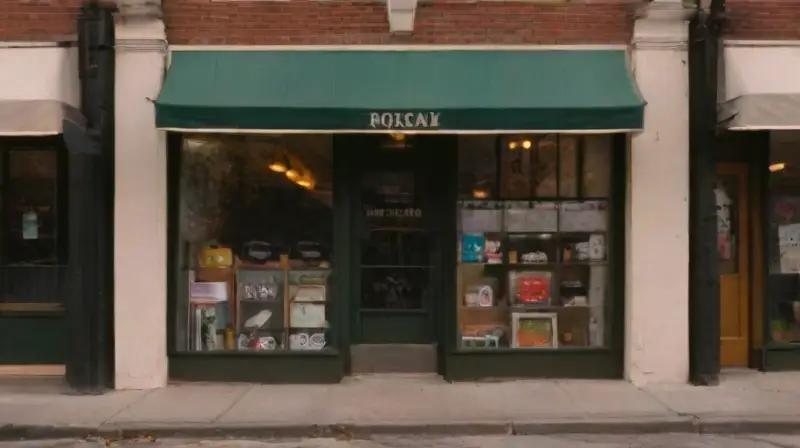
Many communities establish regulations to govern the operation of tattoo parlors, aiming to balance business interests with community standards. These ordinances often specify the permissible hours during which tattoo artists can operate to ensure public safety and minimize noise disruptions.
Understanding these rules is crucial for both tattoo artists and clients to avoid legal issues and ensure compliance. Local governments regularly review and update their ordinances to reflect changing community needs and to promote a safe environment for all residents.
The Purpose of Operating Hour Restrictions
The primary goal of restricting operating hours for tattoo parlors is to reduce noise and disturbance, especially during late-night hours. These regulations help maintain peace in residential neighborhoods and prevent activities that could disturb local residents.
Additionally, operating hour limits aim to improve public health and safety by ensuring that businesses operate during times when appropriate sanitation and safety protocols are maintained. Limiting hours also helps prevent possible abuse or illegal activities associated with late-night operations.
Typical Hours Allowed
Most jurisdictions permit tattoo parlors to operate within designated timeframes, often from morning to early evening. Commonly, establishments are allowed to open around 9 or 10 a.m. and must close by 8 or 10 p.m.
Some ordinances allow for exceptions during special events or for medical reasons, but these usually require special permits. The restrictions are designed to keep activities within a period that minimizes disturbance and aligns with community standards.
Variations by Location

Operating hours can vary significantly depending on the city or neighborhood. Urban centers may impose stricter limitations to preserve their busy and vibrant atmosphere, while suburban areas might have more lenient rules.
In some cases, commercial districts have extended hours to accommodate customer demand, whereas residential zones tend to enforce shorter operation times. Local zoning laws play a crucial role in shaping these regulations.
Enforcement and Penalties
Regulations on tattoo parlor hours are enforced by local authorities, such as code enforcement officers or health departments. Businesses found operating outside permitted times may face fines, closure orders, or other penalties.
Regular inspections ensure compliance and help identify violations promptly. Enforcement aims to uphold community standards and protect residents from disturbances and illegal activities.
Impact on Business Operations
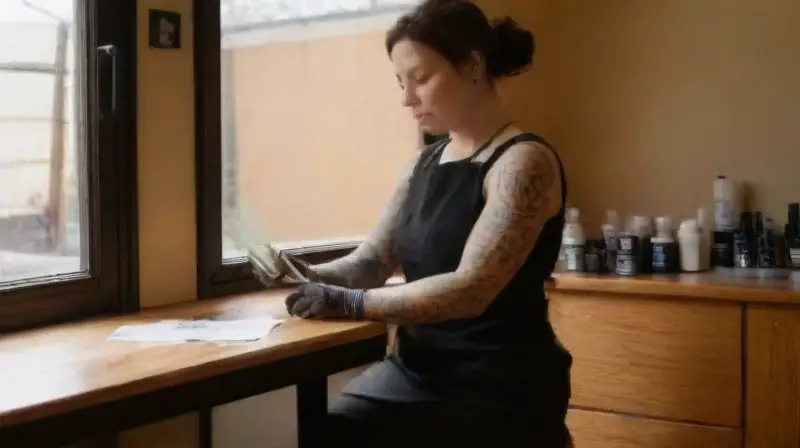
Limiting operating hours can influence a tattoo parlor’s income and customer service approach. Some businesses may need to adjust their hours to align with the regulations, possibly resulting in fewer available appointment slots.
Despite these challenges, many parlors find ways to innovate, such as by offering online consultations or scheduling modifications during permitted hours. Adapting to local rules helps ensure long-term success and community good relations.
Community Feedback and Future Trends
Community members often share their feedback regarding existing ordinances, advocating for stricter or more relaxed regulations depending on their experiences. Local governments sometimes hold public hearings to review and adjust operating hour rules.
Looking ahead, trends suggest that many areas are moving toward more flexible rules, considering the growth of the tattoo industry and changing public perceptions. Policymakers aim to find a balance that supports both business interests and neighborhood well-being.
Conclusion
In conclusion, local ordinances on tattoo parlor operating hours are vital tools for maintaining community harmony and promoting public safety. While regulations may vary across regions, the overarching goal remains to regulate activities during times that are considerate of residents and public health.
Adhering to these ordinances benefits both businesses and communities, creating a respectful environment where craftsmanship can thrive without disrupting local life. Ongoing dialogue and adjustment of these rules will ensure they meet the evolving needs of society.