Piercings are a timeless form of self-expression that allow individuals to showcase their personality and style. One of the most effective ways to elevate the appearance of a piercing is by thoughtfully selecting jewelry in complementary colors. This approach not only highlights the piercing but also creates a visually stunning effect that draws attention and complements your overall look.
Color coordination plays a crucial role in fashion and accessories, especially when it comes to body art. When you understand how complementary colors work, you can create harmonious and eye-catching combinations that make your piercing stand out. Whether you prefer bold contrasts or subtle harmonies, choosing complementary hues adds depth and vibrancy to your jewelry choices.
Understanding Complementary Colors
Complementary colors are pairs positioned opposite each other on the color wheel. These combinations are inherently contrasting and tend to create a vibrant, energetic vibe when used together. Understanding which colors are complementary is essential for designing jewelry that emphasizes your piercing.
For example, red and green, blue and orange, and yellow and purple are classic complementary pairs. Using these colors in your jewelry or accessories can make your piercing pop and draw the eye directly to the area. Recognizing these pairs helps in selecting pieces that enhance your skin tone and overall aesthetic.
When choosing complementary colors for your piercing, consider the color of your skin and the tone of the jewelry. Some combinations may look more striking on certain skin tones, creating a balanced and natural appearance. Experimenting with different complementary hues allows you to find the perfect match that elevates your style.
Choosing Jewelry in Complementary Colors
Selecting jewelry in complementary colors can be a fun and creative process. Start by identifying the primary color of your piercing, whether it’s silver, gold, or a specific gemstone hue, and then explore complementary shades that enhance it.
Opt for materials like gemstones, enamel, or resin in complementary colors to create a vibrant contrast. For instance, a sapphire blue piercing can be beautifully accentuated with orange or amber-colored jewelry. These combinations draw attention and make your piercing a focal point.
When in doubt, consider complementary color schemes that align with your personal style. Bold contrasts can be striking, but softer combinations also work well for a more subtle, elegant look. Mixing textures and finishes, such as matte with shiny, can also add dimension to your jewelry.
Combining Multiple Colors

Using multiple complementary colors is a great way to add complexity and interest to your piercing jewelry. However, it’s important to balance the colors to avoid overwhelming the overall look. Pairing two or more complementary color schemes can create a dynamic and lively aesthetic.
Start with one primary complementary pair and then incorporate accents in other hues that complement the main colors. For example, if your main jewelry features blue and orange, adding touches of yellow or purple can create a more engaging visual experience. This layering of colors makes your piercing stand out even more.
Be mindful of scale and proportion when combining multiple complementary colors. Keep larger pieces in the dominant hue, while smaller accents can introduce contrasting shades. This ensures a harmonious and cohesive look that emphasizes your piercing creatively.
Seasonal and Trend Considerations
Colors often shift in popularity according to seasons and trends. Incorporating complementary colors into your piercing jewelry can help you stay stylish and relevant throughout the year. Bright, bold hues are perfect for summer, while more muted, complementary tones suit fall and winter.
Trends like pastel complementary colors or metallic finishes can also influence your choices. For example, pairing soft pinks with mint greens or incorporating rose gold and teal can modernize your look while highlighting your piercing. Staying aware of current color palettes can inspire fresh, fashionable combinations.
Moreover, seasonal themes can guide your complementary color selections. For instance, deep reds and greens resonate with holiday seasons, enhancing festive outfits. Using trendy complementary colors ensures your piercing remains eye-catching and in sync with fashion movements.
Enhancing Different Types of Piercings
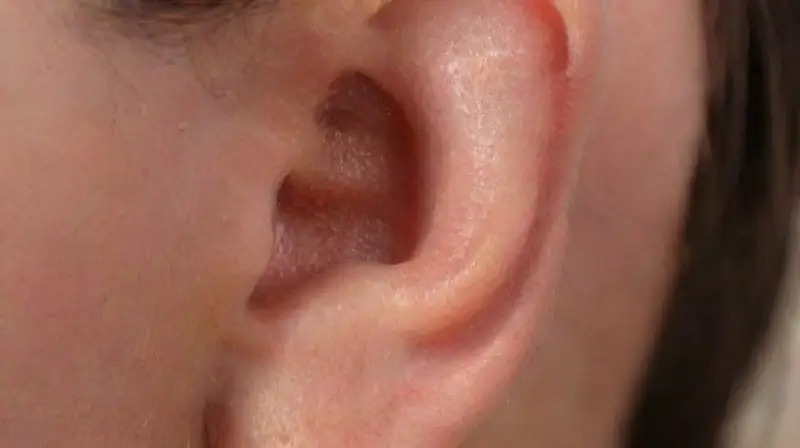
Different piercings can benefit from specific complementary color choices. For ear piercings, vibrant or contrasting colors can add a playful or sophisticated touch, depending on the jewelry selection. For nose or lip piercings, subtle contrasts in complementary shades can subtly emphasize the area without overwhelming it.
Choosing the right complementary colors can also help balance facial features. For example, if you have warm skin tones, cool complementary colors like blues and purples can create a striking complement. Conversely, for cooler skin tones, warmer complementary shades can add warmth and vibrancy.
In addition to color choice, the material of the jewelry plays a role in how well the colors are showcased. Metals like gold or silver serve as excellent backgrounds for vibrant or contrasting gemstone colors, enhancing the overall aesthetic of your piercing.
Maintenance and Longevity of Color
Ensuring that the complementary colors in your piercing jewelry remain vivid and attractive requires proper maintenance. Regular cleaning prevents accumulation of dirt and oils that can dull metallic or gemstone surfaces. Use gentle cleaning solutions appropriate for the jewelry material.
Certain materials are more resistant to fading or tarnishing, maintaining their vibrant complementary hues longer. For example, resin or enamel jewelry often retains color better than some natural stones. Investing in high-quality pieces can ensure your color combinations stay striking over time.
Proper storage and handling are also important. Keep your jewelry in dry, organized containers away from direct sunlight and harsh chemicals. This helps preserve the clarity and brightness of the colors, allowing your piercing to continue shining in its most vibrant form.
Conclusion
Choosing complementary colors for your piercing jewelry is a versatile and creative way to enhance your personal style. By understanding color principles and how different hues interact, you can create stunning combinations that draw attention and highlight your features beautifully.
Experimenting with various color schemes allows you to tailor your accessories to your mood, season, or current trends. Whether opting for bold contrasts or subtle harmonies, carefully selected complementary colors can transform your piercings into captivating fashion statements that reflect your unique personality.