Tattooing has been an integral part of indigenous cultures for thousands of years, symbolizing identity, spirituality, and social status. These practices reflect the rich heritage and diverse traditions that vary from one community to another. Throughout history, tattoos have served as more than just body art; they are powerful rituals that connect individuals to their ancestors and cultural beliefs.
The significance of tattoos extends beyond aesthetics, often representing rites of passage, achievements, or tribal affiliations. Understanding the historical context of these practices offers valuable insights into how indigenous societies express their values and worldviews. Despite external influences and changing times, many communities continue to preserve these meaningful traditions.
The Origins of Tattooing
The origins of tattooing trace back to ancient civilizations, with evidence dating over 5,000 years ago. Early evidence of tattooing has been discovered in mummified remains, showcasing the ancient entwinement of body art with cultural identity. These early practices likely served multiple purposes, including initiation, protection, and healing.
Different regions developed unique techniques due to local resources and cultural influences. For instance, in Polynesia, methods involved sharp tools and natural inks derived from plant and mineral sources. The evolution of tattooing techniques illustrates the adaptability and creativity of indigenous peoples over centuries.
Tattooing also played a vital role in social structure, marking the transition between life stages or social roles. The transfer of knowledge about tattooing was often passed down through generations via apprenticeships, ensuring the preservation of these ancestral artforms. These origins highlight how deeply intertwined tattooing is with the identity and history of indigenous communities.
Tattoo Techniques and Tools
Indigenous societies employed a wide array of techniques crafted from natural resources. Needles, chisels, and combs made from bone, shell, or stone were common tools used to create intricate patterns on the skin. These tools varied greatly depending on the region and the desired design.
In many communities, tattooing was performed through a process called perforation, where the skin was punctured repeatedly to insert ink or pigmentation. The application process often required great skill and precision, with some practices involving rhythmic tapping or rubbing to embed the dye deeply into the skin.
Natural pigments such as charcoal, soot, and plant extracts provided the colorful inks used in tattooing. These substances were carefully prepared and applied using handmade tools, resulting in durable and culturally significant designs. The craftsmanship involved in these techniques reflects a profound understanding of materials and their symbolic meanings.
Symbolism and Motifs

Tattoo designs are rich in symbolism, often telling stories or expressing spiritual beliefs. Common motifs include animals, celestial objects, and geometric patterns, each carrying specific meanings within the community. These images serve as visual language, communicating a person’s identity or social role.
Certain symbols were believed to ward off evil spirits or bring good fortune, making tattooing a form of spiritual protection. Others marked achievements such as warrior status or rites of passage, publicly displaying an individual’s accomplishments.
The motifs also often served as markers of tribal affiliation or familial ties, reinforcing social cohesion. The complexity and diversity of these designs exemplify how tattooing encapsulates both personal and communal history. By studying these symbols, we gain insight into the values and beliefs of indigenous societies.
Rituals and Ceremonies
Tattooing was seldom a simple act; it was usually embedded within ceremonial contexts. Rituals surrounding tattooing often involved prayer, music, and communal participation, amplifying its spiritual and social significance. These ceremonies fostered a sense of unity and shared identity among participants.
The process itself was considered sacred, with practitioners sometimes regarded as spiritual intermediaries. The act of tattooing was accompanied by rituals intended to invoke protection, blessing, or ancestral guidance. These ceremonies underscored the profound meaning attached to body modification beyond mere aesthetics.
In many cultures, the first tattoo marked a coming-of-age event or initiation into a particular social or spiritual community. The rituals surrounding tattooing thus reinforced social bonds and preserved sacred traditions, passing them from generation to generation.
Cultural Significance and Identity
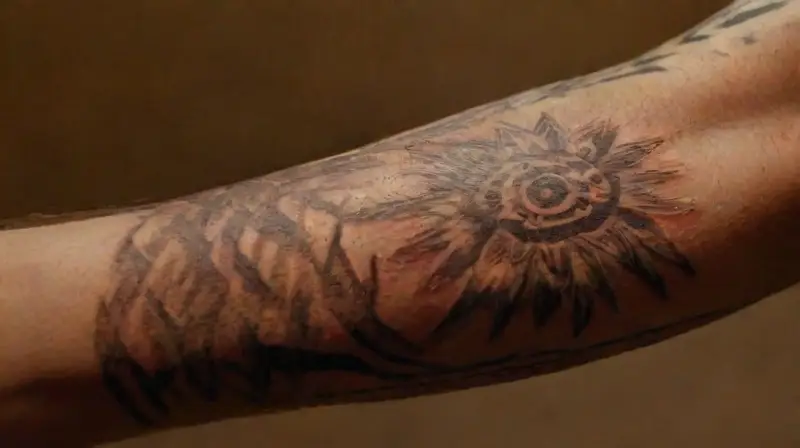
For indigenous groups, tattoos are powerful symbols of identity and cultural heritage. They often signify membership within a tribe or social stratum, acting as markers of belonging. The visibility and complexity of tattoos can denote status, achievements, or roles within the community.
Tattoos also serve to honor ancestral traditions, preserving stories and symbols that embody cultural values. They act as a living testament to the history and resilience of indigenous peoples amidst external challenges.
Moreover, tattoos may function as protective amulets or spiritual talismans, believed to safeguard individuals from harm or evil. As expressions of personal and collective identity, these practices remain vital in maintaining cultural continuity in many indigenous societies.
Preservation and Change
While globalization and modernization have influenced indigenous tattoo practices, many communities are actively working to preserve these traditions. Efforts include cultural revival programs, educational initiatives, and the reclamation of ancestral techniques. These measures aim to honor the historical significance of tattooing while adapting to contemporary contexts.
However, external pressures and misconceptions have sometimes led to the commercialization or misuse of indigenous tattoo designs. This underscores the importance of respecting cultural ownership and understanding the meaning behind each symbol and technique.
Adaptive practices, such as temporary tattoos or modern stylization, help sustain cultural identity while engaging younger generations. The ongoing evolution of tattooing reflects both resilience and the commitment of indigenous communities to keep their heritage alive.
Conclusion
Tattooing remains a profound expression of cultural identity and historical continuity in indigenous societies. Despite changing times, these traditions continue to serve as vital links to ancestral roots, embodying spiritual beliefs, social status, and communal history. Recognizing and respecting these practices is essential for preserving their authenticity and significance.
As we move forward, fostering understanding and appreciation for indigenous tattoo traditions can promote cultural diversity and ensure their endurance. By honoring the artistry and symbolism embedded in these practices, we acknowledge the resilience and richness of indigenous heritages around the world.