Getting a tattoo is often a meaningful experience, but sometimes, individuals find themselves unsatisfied with their tattoo design later on. Whether due to poor artistry, change in personal taste, or other reasons, a cover-up provides a way to transform an unwanted tattoo into something new. This process requires skill, planning, and a good understanding of tattoo artistry, making it essential to seek expert advice.
Many people worry about the complexity involved in covering up a tattoo. Concerns include the visibility of the old ink, skin type, and the artist’s ability to create a seamless result. Understanding the options available and consulting with professionals can make the process smoother and more successful, leading to a satisfying new piece of skin art.
Understanding Cover-up Tattoos
A cover-up tattoo is designed to mask or replace an existing design with a new one. This process involves selecting artwork that can adequately conceal the old tattoo, often incorporating darker colors and larger designs to effectively hide previous ink. It’s a popular solution for those wanting a fresh start on skin they no longer wish to display.
The key to a successful cover-up is planning. Artists assess the size, color, and placement of the existing tattoo to determine what new design will work best. They also consider skin tone and the tattoo’s age, as these factors influence how well the old ink can be hidden. Clear communication between the client and artist is crucial for achieving the desired outcome.
The process of creating a cover-up tattoo can be more challenging than a standard tattoo. It requires specialized skill to camouflage the old ink without causing skin damage. A good artist will often use techniques to add depth and dimension, ensuring the new design looks vibrant and distinct. Patience is essential, as sometimes multiple sessions are necessary to perfect the result.
Choosing the Right Design
Selecting the appropriate design for a cover-up is critical to ensure satisfaction. Many opt for larger, darker, or more intricate artworks to effectively obscure the old tattoo. Popular choices include floral patterns, animals, or abstract designs that can be styled to conceal previous ink.
It’s important to work with a professional artist who understands color theory and composition. They can suggest modifications to the original idea to better suit the cover-up purpose. Sometimes, minor adjustments, like adding shading or highlights, significantly improve the disguise of the underlying tattoo.
Clients should also consider the meaning behind their new tattoo. While concealment is the primary goal, choosing a design that resonates personally can enhance the overall experience. Ensuring the selected artwork complements skin tone and natural features will help achieve a seamless transition from old to new.
The Role of Tattoo Artists
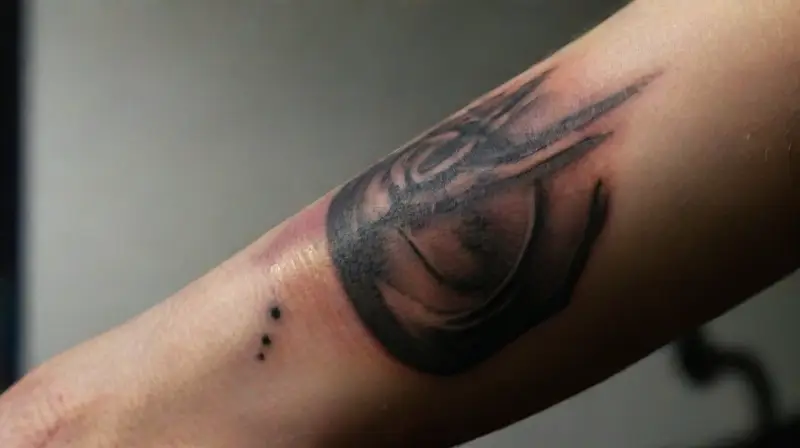
Expert tattoo artists are vital to a successful cover-up. Their experience allows them to assess the current tattoo and propose designs that work well for concealment. Skilled artists can manipulate shading and color to hide the original ink effectively, resulting in a natural and appealing look.
Communication is essential when working with a professional. Clients should share their preferences, concerns, and any ideas they may have. An experienced artist will listen carefully and provide guidance based on their knowledge of what is feasible and visually appealing.
In addition to artistic talent, a good cover-up artist follows strict hygiene practices and uses quality materials. This ensures that the skin heals properly after the procedure and that the new tattoo looks vibrant and long-lasting. Collaborating with a reputable professional minimizes complications and maximizes satisfaction.
Tattoo Removal as an Alternative
Before deciding on a cover-up, some individuals explore tattoo removal options. Laser treatments are the most common method, breaking down ink particles so they can be naturally eliminated by the body. This process can reduce the visibility of the old tattoo, making a cover-up more effective or even unnecessary.
However, tattoo removal often requires multiple sessions and can be costly. It also involves some discomfort and potential skin irritation. Not all inks respond equally well to laser treatments, which may limit effectiveness depending on the colors used originally.
In cases where the unwanted tattoo is small or lightly inked, removal might be the best initial step. Once the old ink has faded sufficiently, a new tattoo can be more accurately placed. Careful consultation with a dermatologist or laser specialist helps determine the most suitable course of action for each individual.
Preparing for a Cover-up Procedure
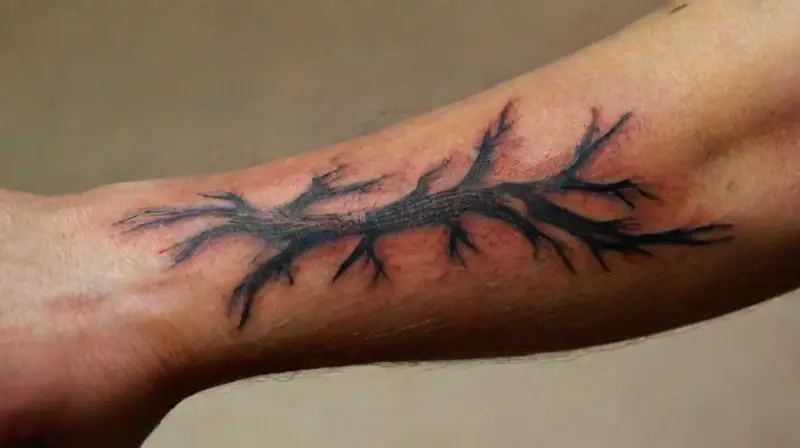
Proper preparation is vital for achieving the best results in a cover-up tattoo. This includes ensuring the skin is healthy and free from infections or irritations. Staying hydrated and avoiding sun exposure before the procedure can also promote better healing and pigment absorption.
Choosing an experienced and reputable tattoo artist minimizes risks and increases the likelihood of success. It’s advisable to review portfolios and seek testimonials from previous clients. Good communication about expectations and design ideas will help align visions and prevent misunderstandings.
Finally, patients should follow all aftercare instructions provided by their artist. Proper wound care, avoiding picking at the skin, and applying recommended ointments will help the skin heal smoothly and preserve the vibrancy of the new tattoo. Patience and commitment to aftercare are essential for lasting satisfaction.
Potential Challenges and How to Overcome Them
Cover-up tattoos can present some challenges, such as difficulty hiding certain colors or designs. Light-colored or fine-line tattoos are particularly tough to conceal completely. Additionally, the skin’s condition and elasticity can impact the final appearance, sometimes resulting in less than perfect coverage.
To overcome these issues, working with a highly skilled artist is crucial. They can use advanced techniques like adding white highlights or using multiple layering sessions to improve concealment. Sometimes, smaller touch-ups or revisions are necessary after the initial healing process.
Realistic expectations are also important. Understanding that a cover-up may alter the original design or involve compromises helps prevent disappointment. Regular consultations and follow-up sessions ensure adjustments can be made as needed, leading to a more satisfactory result.
Conclusion
Successfully covering up an unwanted tattoo hinges on expert guidance, thoughtful design choices, and careful planning. Working with skilled tattoo artists ensures that the transition from old to new ink is smooth, durable, and visually appealing. Investing time in research and communication pays off by resulting in a piece that you can be proud of.
Ultimately, whether through strategic design, professional execution, or considering removal options, achieving the desired outcome is entirely possible with the right approach. Patience, understanding, and the willingness to follow recommended aftercare will help turn a tattoo regret into a new, meaningful artwork.